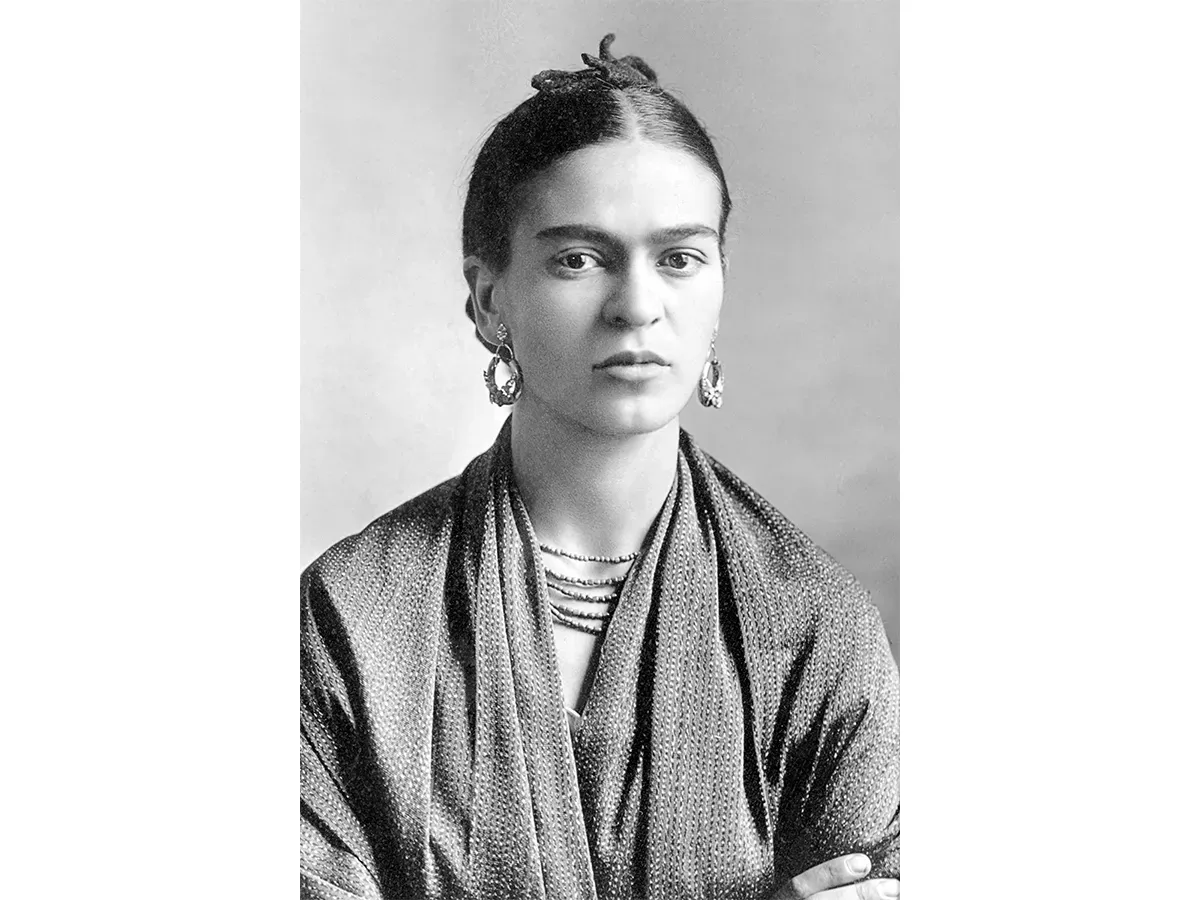
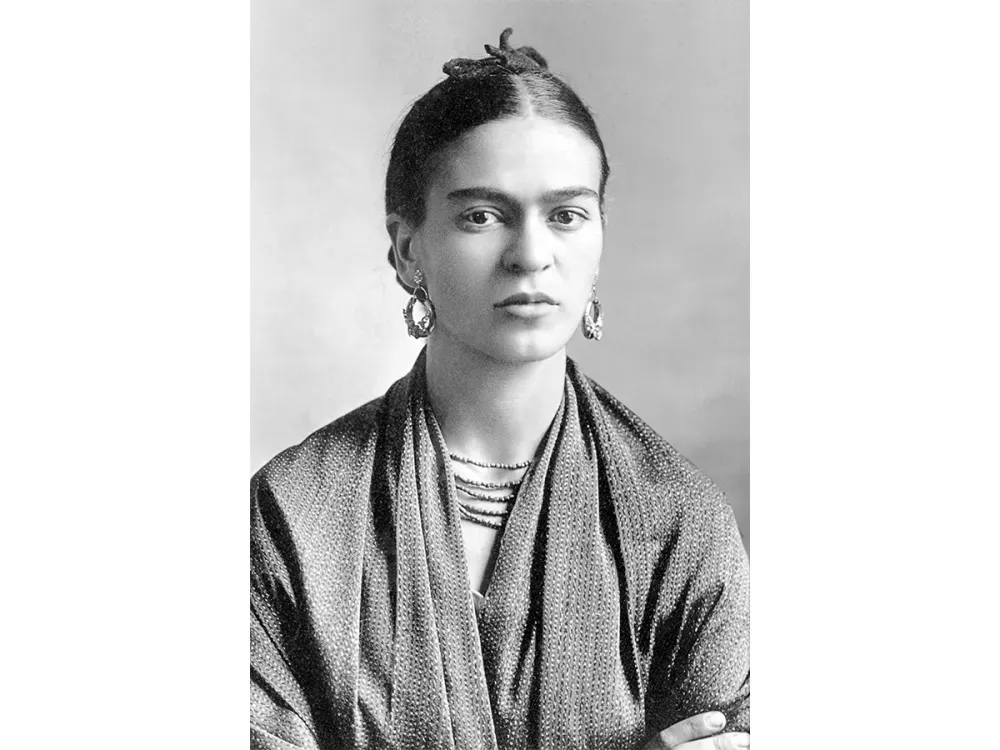
Frida Kahlo. The name alone conjures images of vibrant colors, unibrows, and a certain undeniable mystique. Decades after her death, the Mexican artist isn't just popular; she's a full-blown phenomenon, a cultural force that seems to only grow stronger with time. They've even coined a term for it: "Fridamania." And frankly, it’s hard to argue.
Her appeal isn't just about art anymore; it's a global obsession. When the Tate Modern in London announced a major Kahlo exhibition, it sold a staggering 41,000 tickets before the doors even opened. That's more than they managed for art world heavyweights like David Hockney. Her works are currently gracing the walls of MoMA, and if you missed those, don't worry—her life story is also hitting the stage and screen.
The New York Met Opera just premiered "El Último Sueño de Frida y Diego," an opera about her tumultuous life with Diego Rivera. And because apparently that's where we are now, Netflix is developing a series about the power couple. Which means soon, you'll be able to binge-watch her dramatic existence right alongside your reality TV.
We're a new kind of news feed.
Regular news is designed to drain you. We're a non-profit built to restore you. Every story we publish is scored for impact, progress, and hope.
Start Your News DetoxThen there's the price tag. In November 2025, her 1940 self-portrait, El Sueño (La cama), fetched an eye-watering $54.7 million at Sotheby's. Let that satisfying number sink in. It wasn't just a record for her; it set a new auction record for any woman artist. Because, yes, Frida Kahlo is still breaking records from beyond the grave.
The Accident That Shaped a Legacy
Here's the kicker: she almost didn't become a painter at all. Young Frida was on a pre-med track, studying biology, anatomy, and zoology at a top school in Mexico City. She was destined for scalpels, not canvases. Then, a horrific bus accident involving a trolley car changed everything. It shattered her body and, in a strange twist of fate, forged her artistic path.
Confined to her bed, she began to paint. Out of the 150 to 200 paintings she created in her lifetime, most were intensely personal self-portraits, family scenes, or still lifes. Her work is a raw, symbolic blend of Mexican folklore and her own experiences, often juxtaposing elements like night and day, or masculine and feminine. She'd frequently depict herself in two places at once, or as dual versions of herself, a visual representation of her complex inner world.
It's this unapologetically unique vision, her "bohemian Mexicanidad," that continues to make her a pop culture icon. Her appeal isn't fading; it's simply evolving, ensuring that the world keeps listening to the story of the woman who painted her own pain into masterpieces.