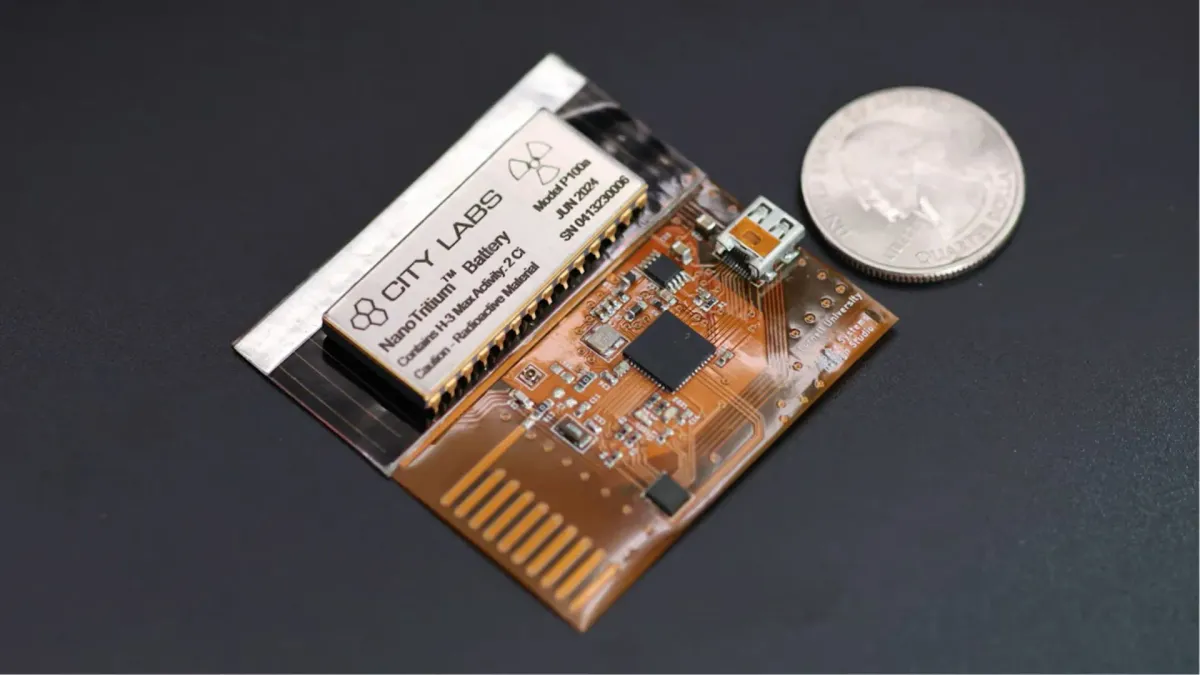
Miami-based City Labs is about to do something genuinely wild: launch the world's first commercial nuclear-powered satellite. Because apparently, relying on the sun is just so last century when you're trying to explore dark lunar craters or the endless void of deep space.
Satellites have a power problem. Solar panels are great until a spacecraft drifts into Earth's shadow, or a perpetually dark lunar region, or — you know — space. Batteries are fine for a bit, but they eventually tap out. City Labs' solution? A continuous, nuclear-fueled power source that doesn't care about a little thing like sunlight.
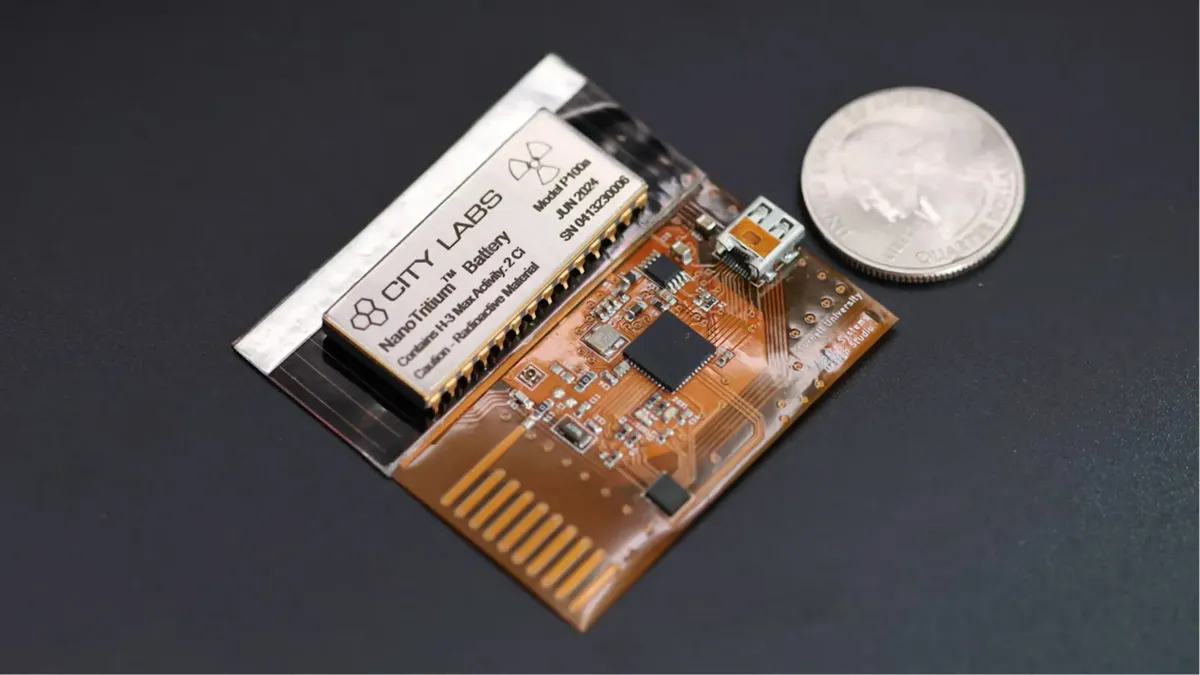
They call it BOHR (Betavoltaic Orbital High-Reliability), and it's hitching a ride on a SpaceX Transporter-17 mission. The launch is set for Tuesday, July 7, at a rather specific 3:10 a.m. ET. If all goes to plan, BOHR will become the first nuclear CubeSat to actually make it to orbit.
We're a new kind of news feed.
Regular news is designed to drain you. We're a non-profit built to restore you. Every story we publish is scored for impact, progress, and hope.
Start Your News DetoxPeter Cabauy, CEO of City Labs, didn't shy away from calling it a "historic step" for commercial nuclear power in space. He's talking about a compact, safe nuclear system that lets payloads operate constantly, without ever having to worry about a cloudy day or a drained battery.
Not Your Grandfather's Nuclear Reactor
Now, before you picture a mini-Chernobyl orbiting Earth, understand that City Labs' tritium-based systems are designed for extreme safety. We're talking very low radiation levels and no moving parts. The BOHR's core is a NanoTritium betavoltaic system, which generates power from the natural decay of tritium — not nuclear fission. So, no dramatic reactor core, no liquid electrolytes, and definitely no fire risk. As the tritium decays, it simply turns into helium-3, a stable, non-radioactive isotope. Which, if you think about it, is both impressive and slightly reassuring.
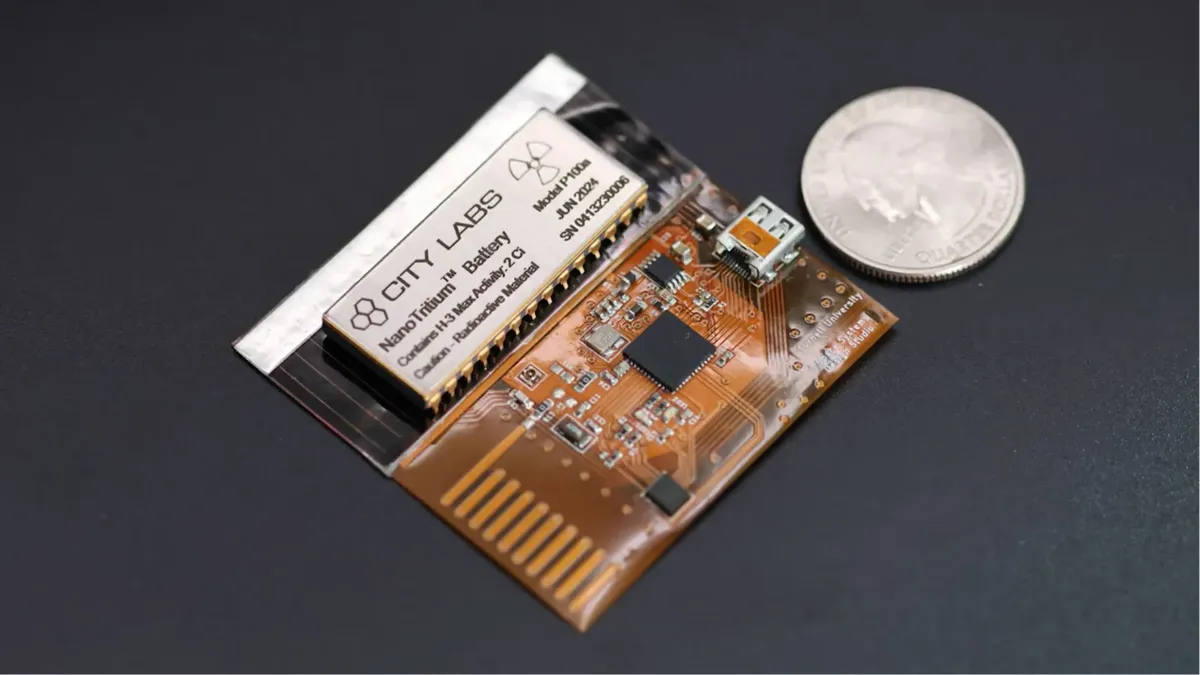
This mission will see the nuclear battery independently power and test its main payload, while a traditional solar system handles the main satellite operations. It's a test run, but a mighty important one.
Getting a nuclear payload onto a commercial rocket is, as you might imagine, a bureaucratic hurdle race. BOHR is the first commercial space mission to snag nuclear launch approval from the Federal Aviation Administration (FAA). This regulatory framework was cooked up under National Security Presidential Memorandum-20, with Sandia National Laboratories independently confirming the safety analysis. The FAA gave its final nod on September 30, 2025. Let that satisfyingly specific future date sink in.
Powering the Future of Space
This mission, backed by the Department of War (yes, you read that right), NASA, and the Air Force Research Laboratory, arrives just as NASA's Artemis program is dreaming of a permanent human presence on the Moon. You can't exactly set up a moon base if half your equipment goes dark every time the sun dips below the horizon. BOHR could be the tiny, glow-in-the-dark trailblazer for future deep-space operations.
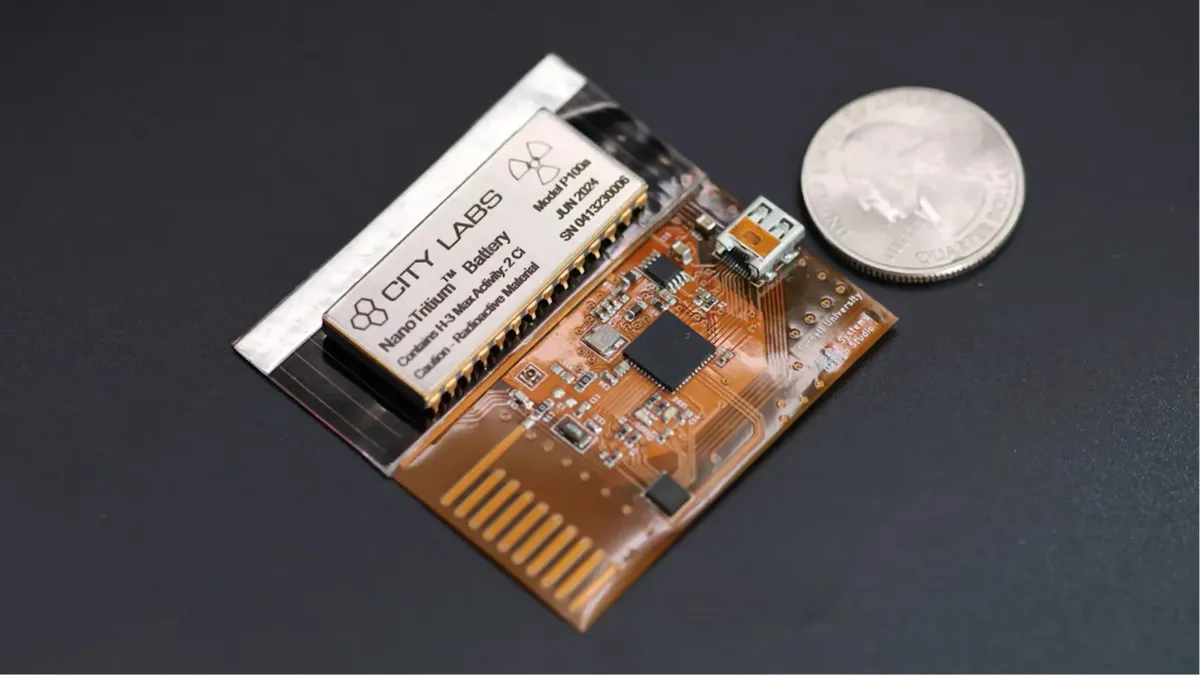
City Labs believes this milestone will unlock new spacecraft capabilities, allowing critical systems to run continuously in places where traditional power systems just… don't. Think deep space, those permanently shadowed lunar regions, or long-duration sensor networks. When SpaceX's Falcon 9 lights up the sky, it won't just be another launch; it'll be a quiet, steady hum of nuclear power kicking off a whole new era of space exploration. Which is pretty cool, if a little unnerving to say out loud.