You know that burning sensation after a sprint? That's lactate, long considered a metabolic villain — a mere waste product of intense effort. But it turns out, for birds, lactate isn't just a byproduct; it's a superhero fuel, helping their red blood cells bounce back from damage like it's nothing.
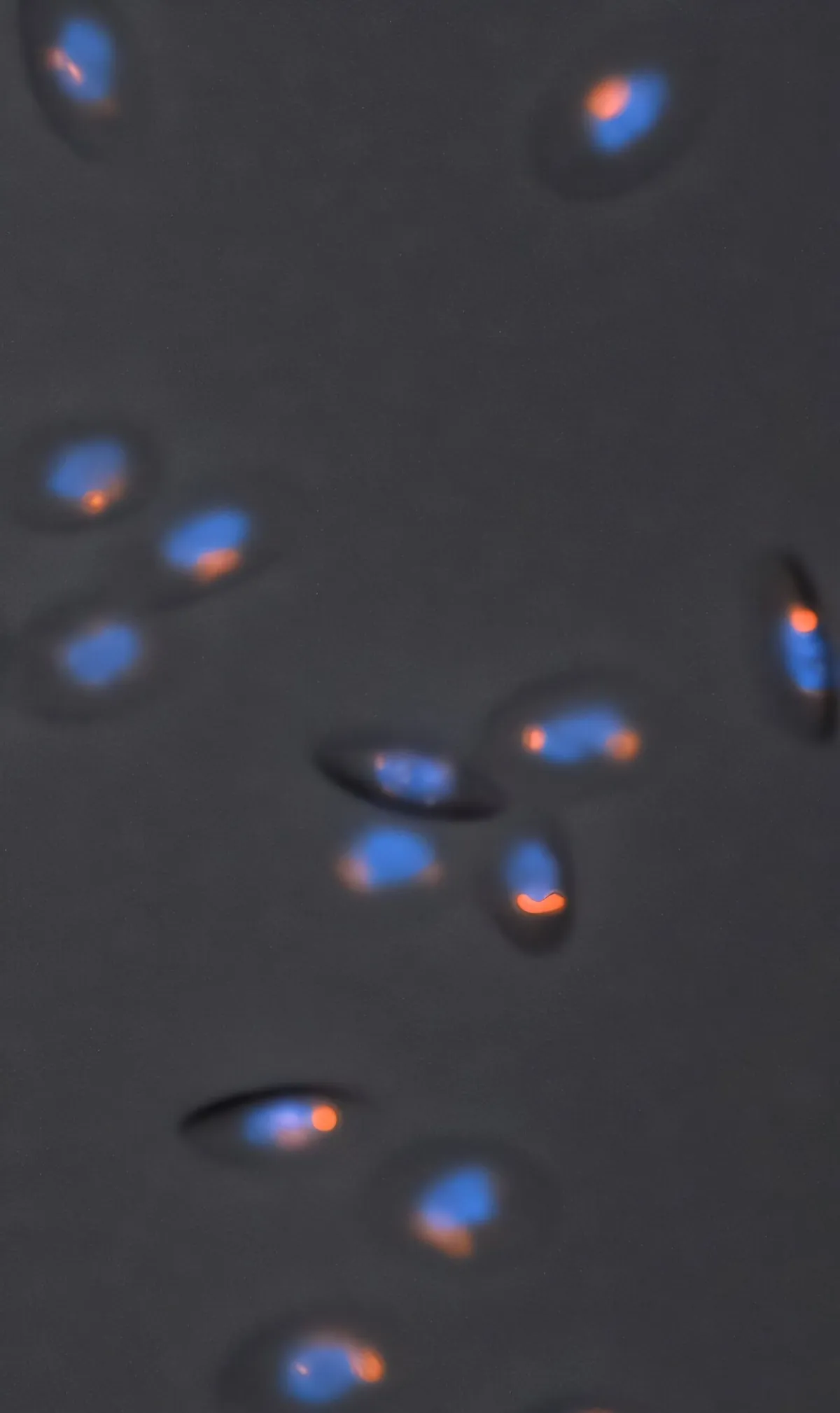
Turns out, birds have a secret weapon in their blood cells that mammals, including us, tossed out eons ago: mitochondria. Those tiny power plants that keep most of your cells humming? Bird red blood cells still have them. Mammals, in their quest for peak oxygen delivery, ditched these organelles, along with the nucleus, in their mature red blood cells. Because apparently, lighter is faster, even for microscopic cells.
The Feathered Advantage
This evolutionary divergence left scientists like Yi Yang, a Ph.D. student at the University of Auckland, scratching their heads. What were the actual trade-offs? Birds, with their high-flying, high-energy lifestyles, need every metabolic edge they can get. And their red blood cells (RBCs) have a particularly clever trick.
We're a new kind of news feed.
Regular news is designed to drain you. We're a non-profit built to restore you. Every story we publish is scored for impact, progress, and hope.
Start Your News DetoxWhen hemoglobin, the oxygen-carrying protein in blood, gets damaged, it turns into methemoglobin — which is about as useful for carrying oxygen as a deflated balloon. But bird RBCs, armed with their mitochondrial mini-reactors, use lactate to swiftly convert that useless methemoglobin back into its oxygen-loving form. They're essentially turning a metabolic 'waste' product into a repair kit.
Lactate, once the scapegoat for sore muscles, is now recognized as a versatile signaling molecule, an antioxidant, and an energy source. It also generates NADH, a crucial molecule that helps recharge the cell's antioxidant systems and, critically, restores hemoglobin. This research, presented at the Society for Experimental Biology conference in Florence, shows just how vital this pathway is for avian health.
Chickens Outpace Rats
To really dig into this, Yang's team pitted chicken RBCs against rat RBCs. They measured enzyme activity, oxygen consumption, and how quickly each could repair damaged hemoglobin. The results were pretty stark: chicken RBCs converted methemoglobin back to hemoglobin three times faster than rat RBCs when lactate was involved.
Part of the magic? Chicken RBCs have a specific type of lactate dehydrogenase (LDH) enzyme, typically found in the heart, which is extra good at processing lactate. And those mitochondria? They're not just for show. They actively break down pyruvate (a byproduct of lactate processing), keeping the whole repair cycle running smoothly.
While carrying mitochondria might make bird RBCs slightly larger — seemingly a disadvantage for oxygen delivery — this study reveals a powerful upside. These cellular powerhouses are actively helping protect the blood's oxygen supply. It's a metabolic hack that gives birds a serious recovery advantage, making you wonder what other hidden talents are lurking in the animal kingdom's cellular machinery. Because apparently, sometimes, the things you don't lose are your biggest strength.