Turns out, Earth's interior has been getting a good soak for far longer than we thought. New research, peering into rocks older than oxygen (yes, really), suggests water was shaping our planet's innards a staggering 3.1 billion years ago.
That's right, while the rest of the universe was probably still figuring out how to make a decent star, Earth was already running a sophisticated water recycling program beneath its surface. Which, if you think about it, is both impressive and slightly terrifying.
Earth's Early Hydration Habits
Published in Nature Communications, the findings indicate that even when Earth was a fiery, chaotic toddler, water was making its way deep underground. It wasn't just chilling there either; it was actively helping to brew up the magma that fed ancient volcanoes, much like the Ring of Fire does today. Only, instead of today's graceful tectonic plates doing the heavy lifting, something else was at play.
We're a new kind of news feed.
Regular news is designed to drain you. We're a non-profit built to restore you. Every story we publish is scored for impact, progress, and hope.
Start Your News DetoxSee, modern Earth recycles water through plate tectonics. Ocean water hitches a ride down into the mantle at subduction zones – basically, where one giant crustal conveyor belt slides under another. This process is a continental architect, fueling volcanoes powerful enough to build landmasses. But 3.1 billion years ago? Earth was too hot for that kind of precise, orderly movement, according to Dr. Eric Vandenburg, a geochemist from Adelaide University and co-author of the study.
So, how did surface water get its deep-earth spa treatment?
Enter: Dripduction
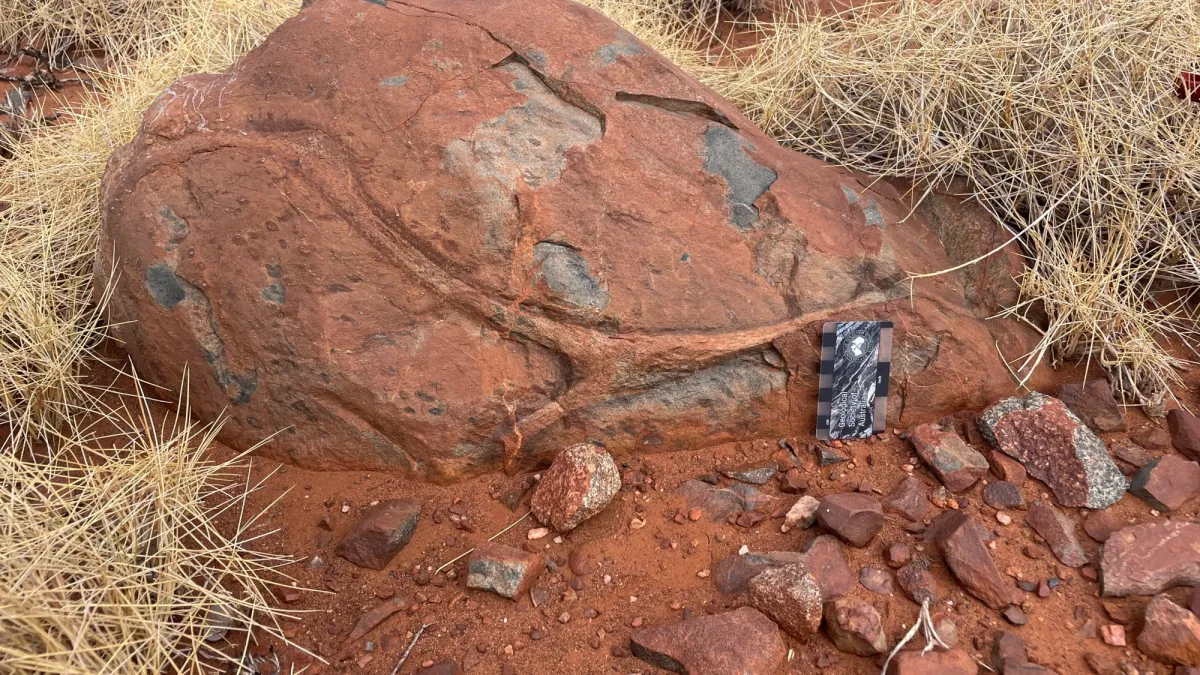
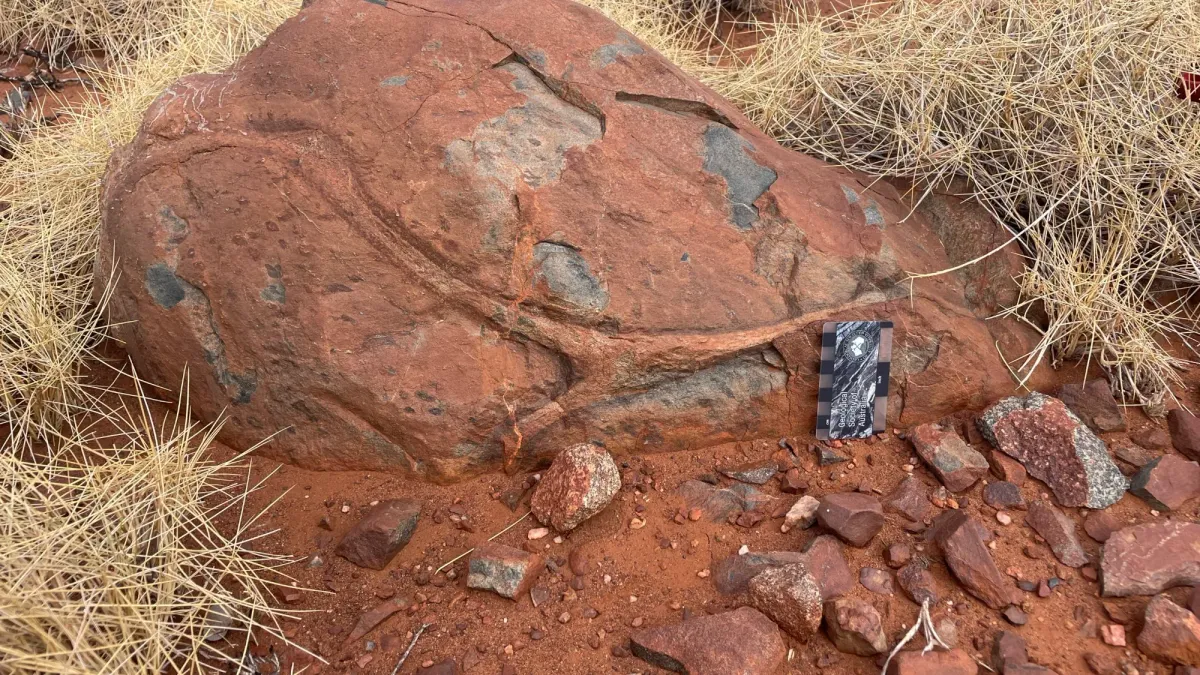
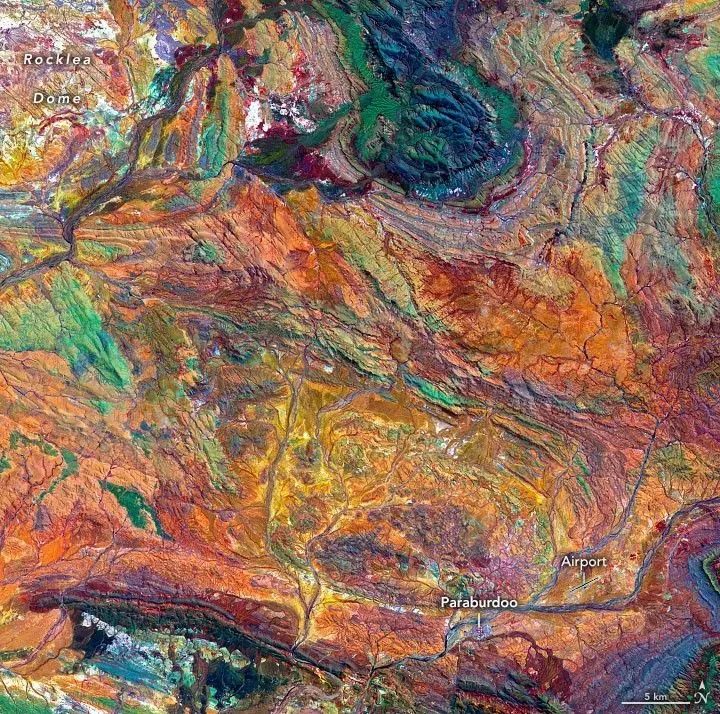
The team went prospecting in Western Australia's Pilbara Craton, a geological time capsule containing some of Earth's oldest rocks (formed between 3.6 and 2.8 billion years ago). These iron-rich relics formed before life, before atmosphere, before your morning coffee was even a twinkle in a supernova's eye. It's one of the few spots on Earth where you can essentially read the planet's baby book.
Chemical clues in these rocks painted a picture of surprisingly extensive deep-water movement. Their conclusion? A process dubbed "dripduction." Imagine dense, water-logged chunks of Earth's early crust getting so heavy and saggy that they literally collapsed and dripped into the hotter mantle below. As these wet crustal pieces plunged, they released their water, which then mixed with the mantle, creating magma. Add intense heat, and that water turns to steam, causing explosive volcanic eruptions. The solidified remnants of those eruptions are the rocks scientists are now studying.
So, while Earth wasn't quite the planet we know today, it seems some of its most fundamental processes were already well underway. It was just doing them with a bit more… drama.
Understanding when water first went subterranean is key to unlocking the mysteries of our planet's evolution. Plate tectonics influences everything from quakes to continents, and even the chemical elements essential for life. These findings suggest Earth's interior and surface were chatting it up much earlier than previously thought – a surprisingly dynamic young planet, already recycling its most crucial ingredient.

Now, if you'll excuse us, we're off to contemplate how much water is currently dripping into Earth's mantle beneath our feet. Sweet dreams.