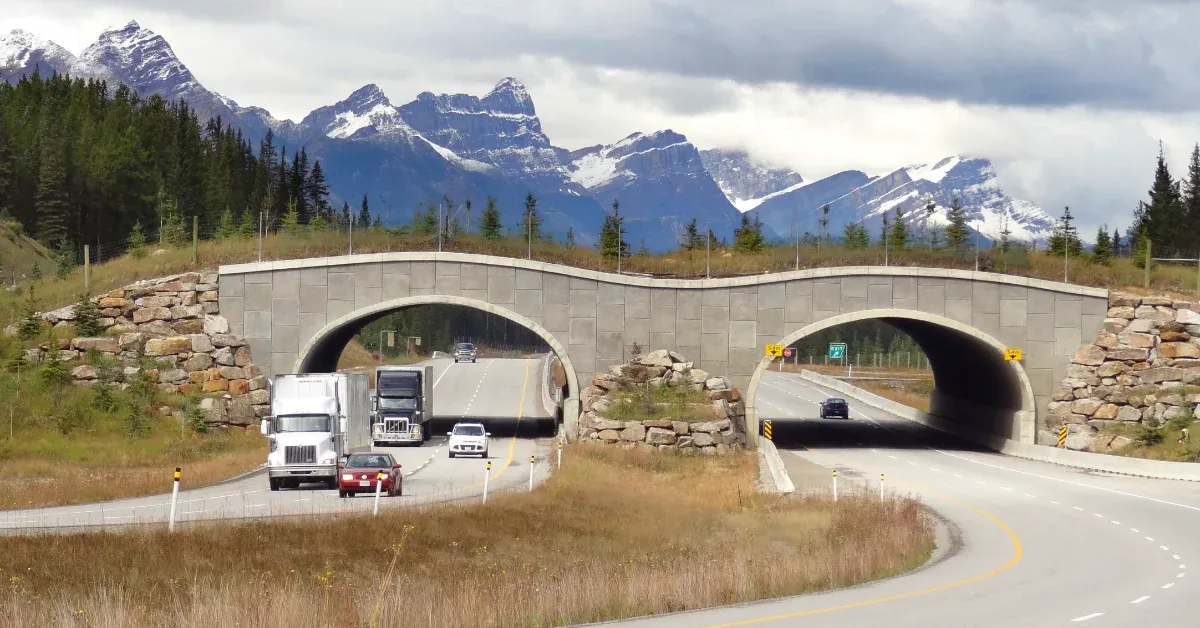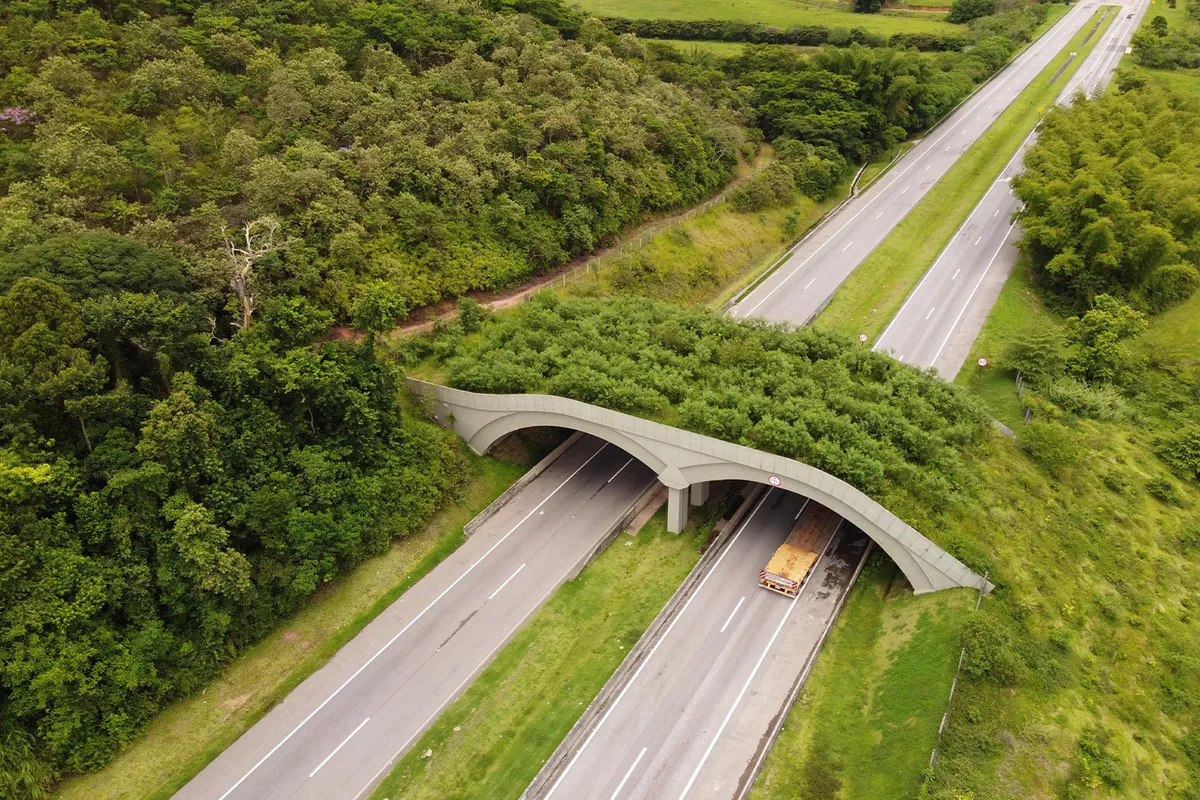
For decades, our roads have been excellent at getting us from A to B, and less excellent at, say, keeping deer from becoming very flat C. But a quiet revolution is underway, and it involves some truly wild infrastructure: wildlife crossings.
These aren't just quaint ideas anymore. They're becoming a global phenomenon, reconnecting habitats that highways sliced through and, crucially, making sure more animals live to tell the tale. We're talking everything from elaborate overpasses covered in greenery to underpasses that look like private tunnels for badgers.
Ben Goldfarb, author of Crossings, has been tracking this trend, and he's got good news: the funding and construction for these animal superhighways are on the rise.
We're a new kind of news feed.
Regular news is designed to drain you. We're a non-profit built to restore you. Every story we publish is scored for impact, progress, and hope.
Start Your News DetoxWhy Animals Are Getting Their Own Lanes
Goldfarb points to the undeniable proof: these things actually work. "The evidence that wildlife crossing structures are effective is just overwhelming," he notes. Scientists have been busy, and their data shows that creatures great and small — from tiny salamanders to towering moose — are absolutely using these dedicated pathways.
Think about it: building a bridge for a bear feels like the kind of thing that would spark endless political squabbles. Yet, these structures enjoy surprisingly broad support. We're seeing them pop up across South America, North America, and Europe. In the U.S., there's even a bill in Congress to make the Wildlife Crossings Pilot Program a permanent fixture. Plus, public surveys consistently show people are on board with giving critters a safer commute.
Part of the appeal, Goldfarb suggests, might just be how visually striking some of these overpasses are. One source he quotes called them "billboards for connectivity." Which, if you think about it, is both impressive and a rather elegant way to remind us all that we share this planet. And maybe, just maybe, we can all get where we're going without a head-on collision.