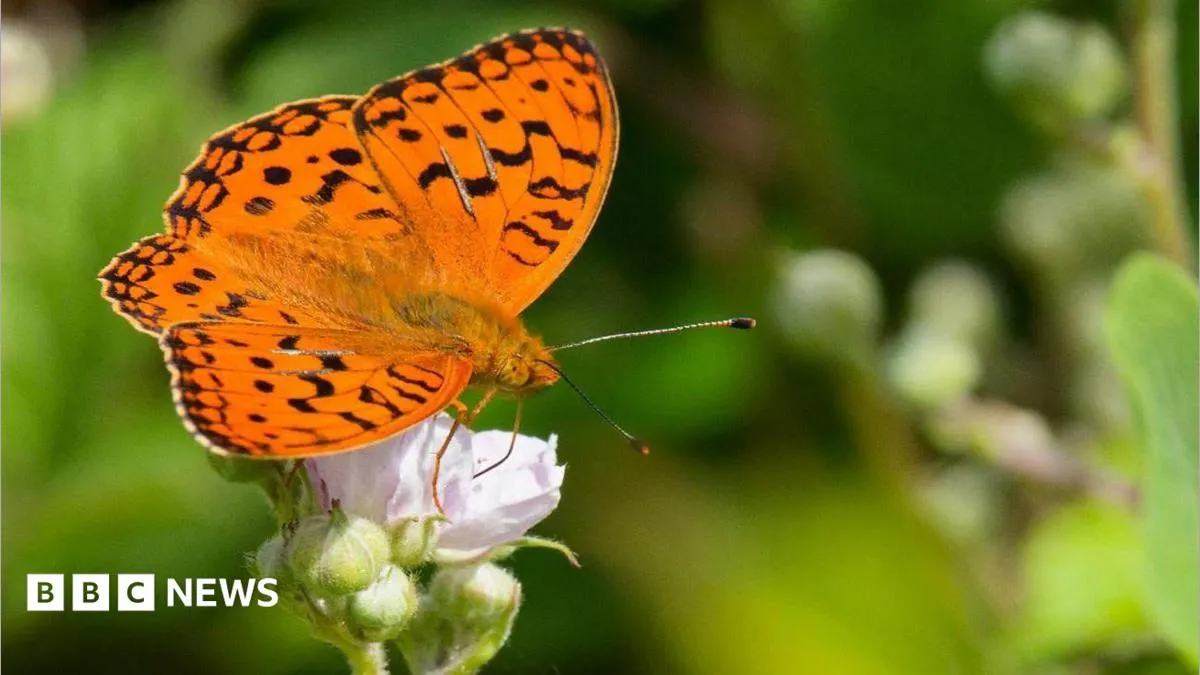
The High Brown Fritillary butterfly, with its bright orange wings, was once common across Wales and England. However, its numbers have dropped by 62% since 1970, making it one of Britain's rarest butterflies.
This decline is due to its very specific needs for survival.
A Picky Butterfly's Habitat
Paul Dunn has worked for over 30 years in the Alun Valley at Old Castle Down, near Bridgend, south Wales. He is trying to help the High Brown Fritillary recover.
"They are the pickiest," Dunn said.
The butterflies need a specific mix of bracken and common dog violet. The dog violet is food for the caterpillars. Bracken also helps create the right ground temperature.
We're a new kind of news feed.
Regular news is designed to drain you. We're a non-profit built to restore you. Every story we publish is scored for impact, progress, and hope.
Start Your News DetoxRichard Smith, who joined Dunn in 1993, explained that bracken was traditionally used for animal bedding. Now, less people use it. Too much bracken stops the dog violet from growing.
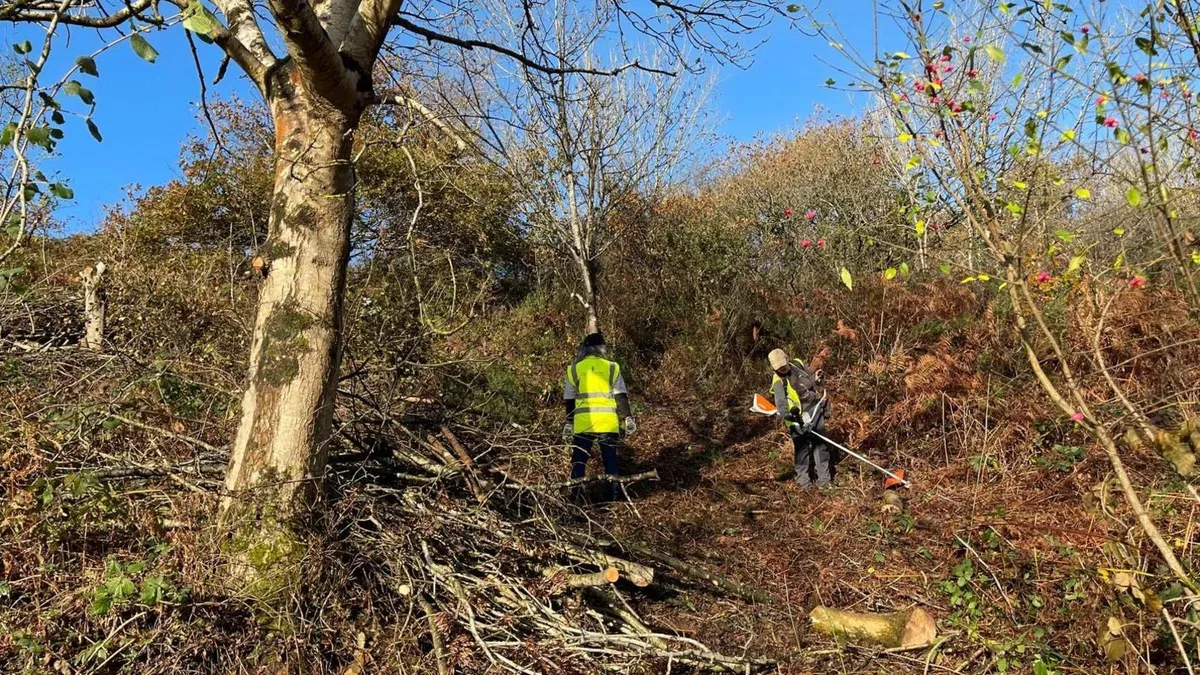
The caterpillars need a certain ground temperature. Cutting the bracken is important because the dead leaves create a warmer area underneath. This warmer ecosystem is vital for the caterpillars to grow.
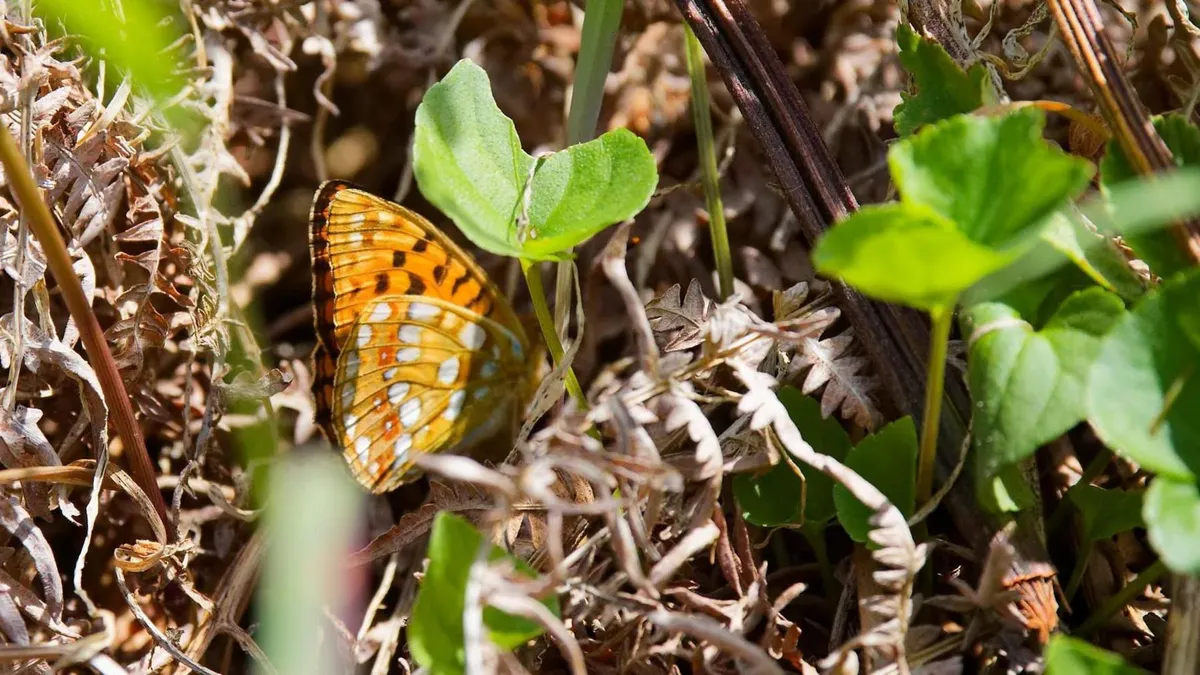
Volunteers have been coppicing, or hard pruning, overgrown hedges on this common land. This creates the special ecosystem the High Brown Fritillary needs.
Cows to the Rescue
For the first time in over 50 years, volunteers have brought in cows to help. For the past three years, local commoners' association members have grazed their cows on the site.
"Cattle are great because they trample bracken without eliminating it," Smith said. They also create uneven ground, which makes small warm spots for the caterpillars.
Since there are no fences on this common land, the team got a National Lottery grant. They bought solar-powered collars for the cows. These collars create a "no-fence grazing" area to keep the cattle on the land.
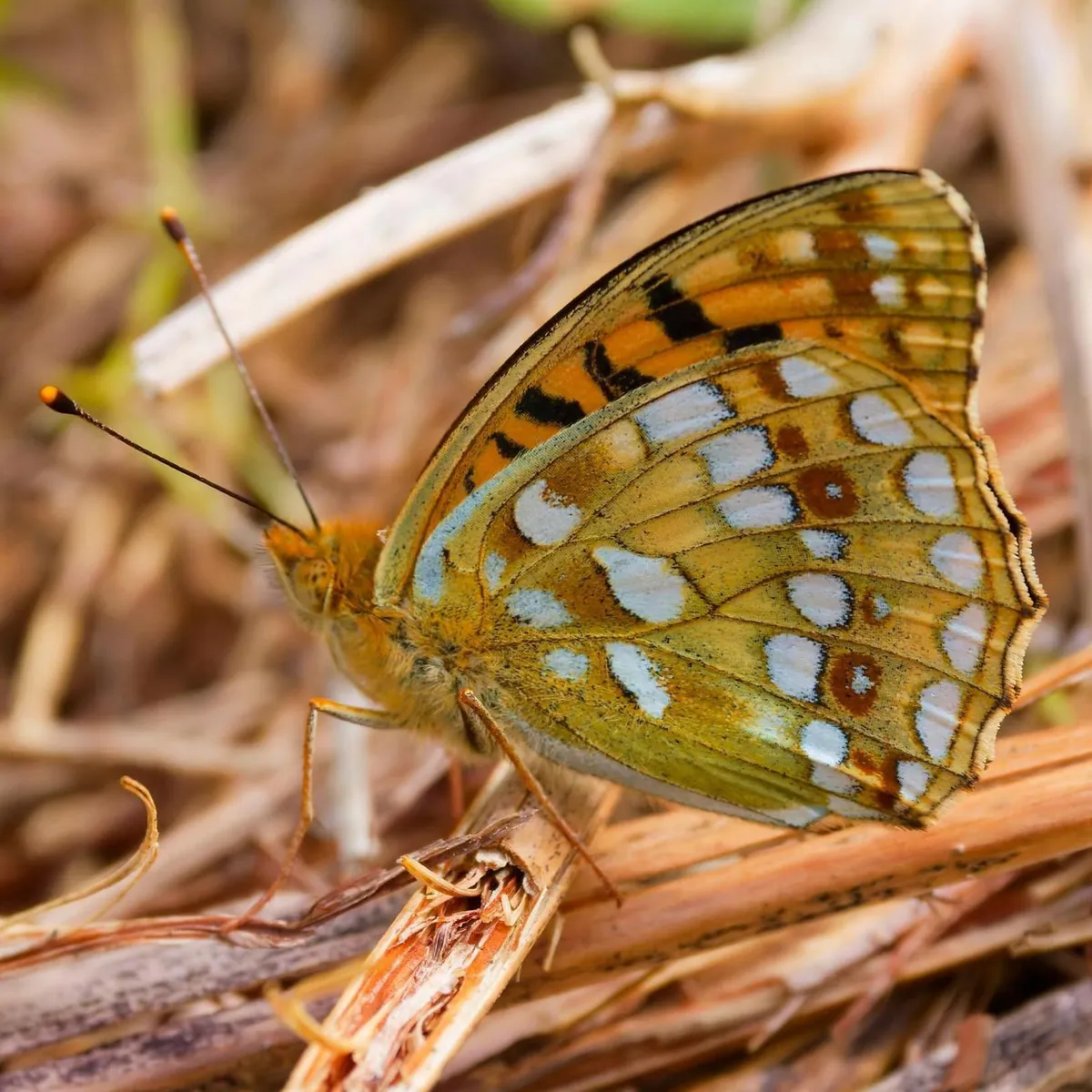
Weather can affect the butterfly population each year. However, the efforts of the team and the cows have increased their numbers overall.
Paul and Richard started this work alone. Now, their team has grown from two to over 40 volunteers.
A Beautiful Obsession
Dot Williams joined the group 11 years ago. "After my husband died I needed to get out and do something," she said. She got involved with the Wildlife Trust and met Richard and Paul.
The group is social and enjoys working outdoors to save nature. They even have a monthly curry club.
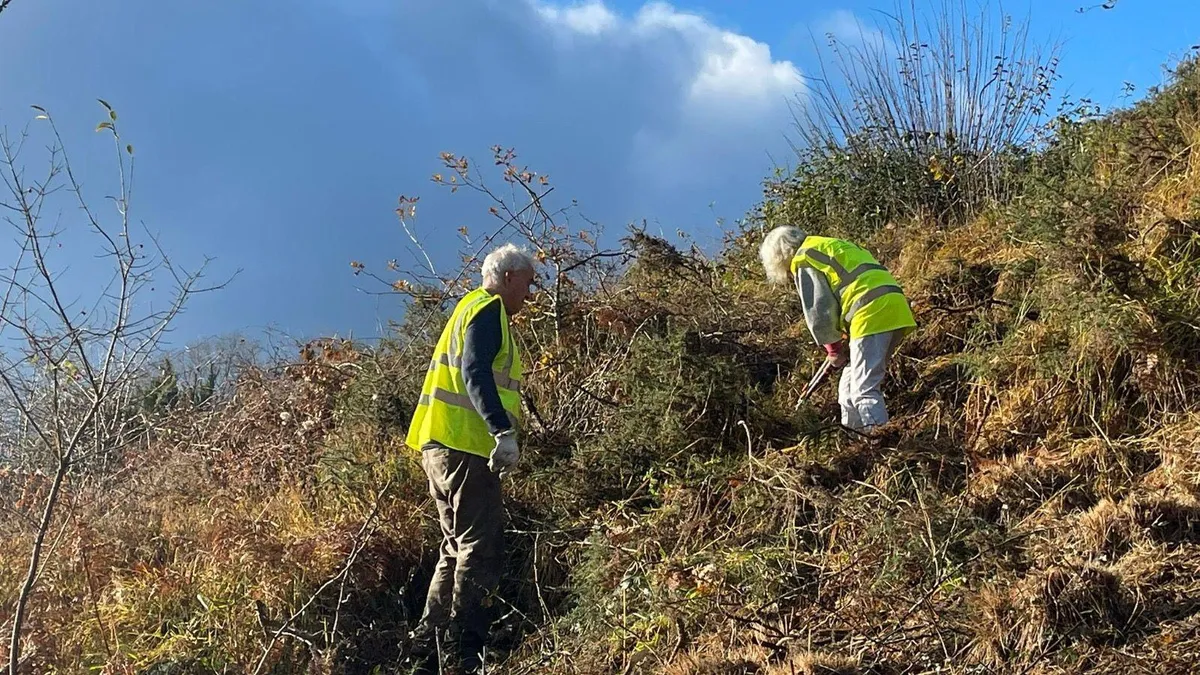
"It's the butterflies that brought them together, but it's grown into much more than that, it's a community," Williams noted.
Over the last 10 years, this part of Wales has seen more than 37 butterfly species. The High Brown Fritillary is finally increasing in numbers.
After 33 years, Paul Dunn calls his volunteering a "beautiful obsession."