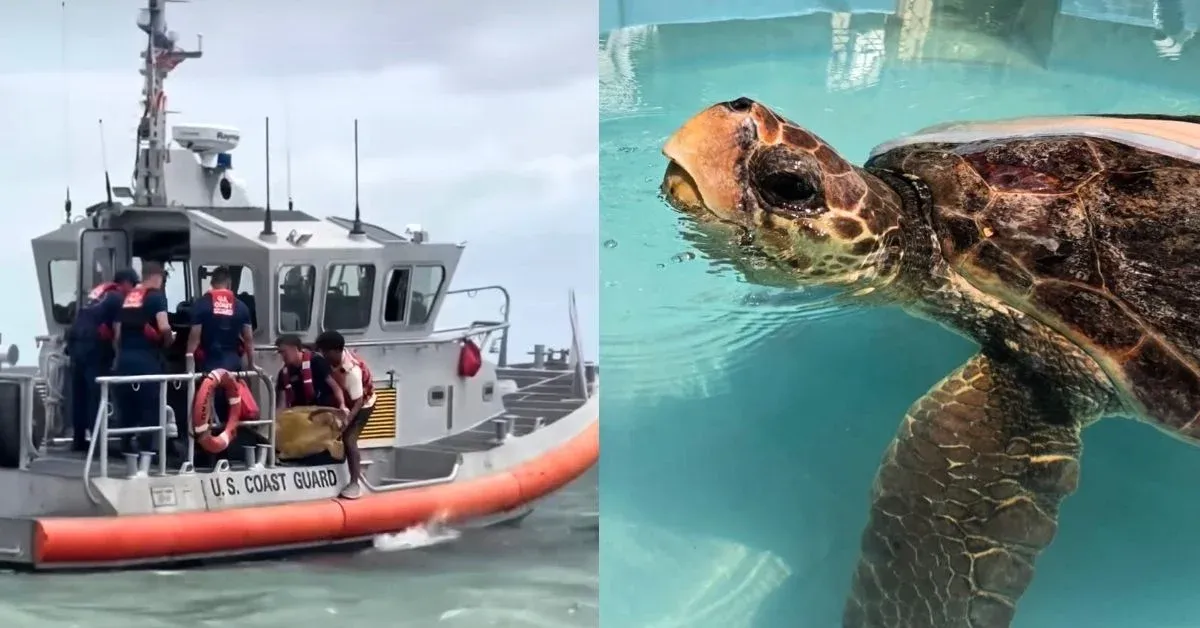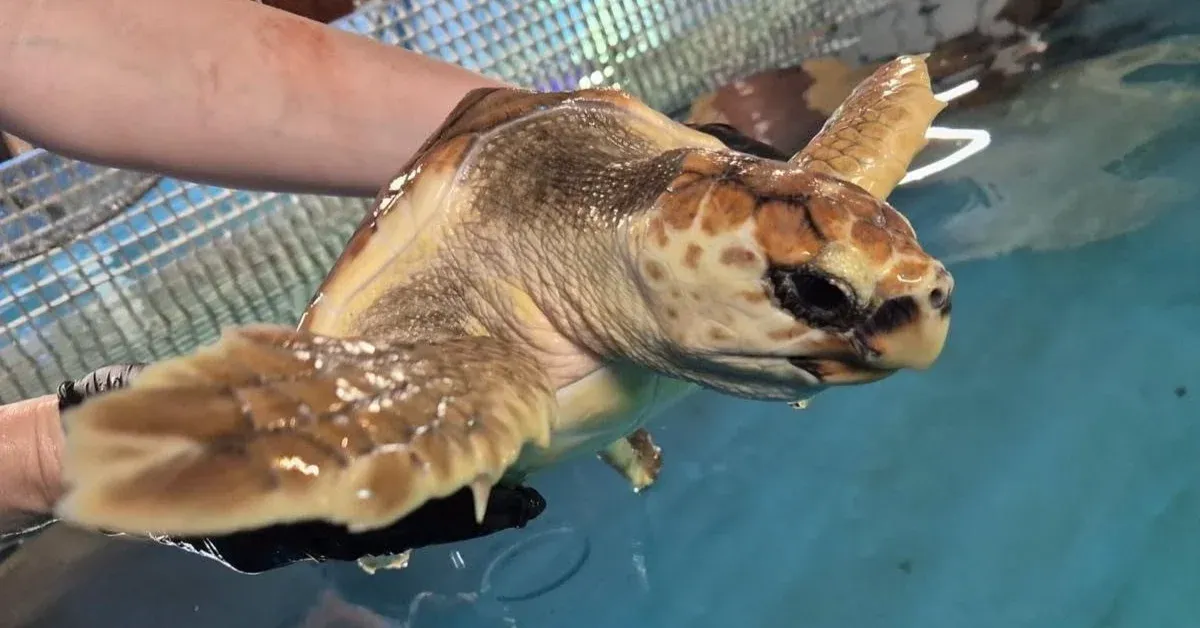
Marine biologist Katherine Sayler helps answer common questions about sea turtles. Sayler works to protect sea turtles in Florida, which is home to five of the world's seven species: the loggerhead, green, leatherback, hawksbill, and Kemp’s ridley.
Sayler is the southeast representative at Defenders of Wildlife. She focuses on restoring endangered species across North America by changing policies. Her work involves many groups to find solutions that prioritize wildlife.
Sea Turtle Hatching and the Moon
It's a common belief that sea turtles need a full moon to hatch or to find their way to the ocean. Sayler says this is a myth.
We're a new kind of news feed.
Regular news is designed to drain you. We're a non-profit built to restore you. Every story we publish is scored for impact, progress, and hope.
Start Your News DetoxSea turtle nests usually incubate for about 60 days. Hatchlings can emerge during any moon phase. However, the moon's brightness does help them find the water.
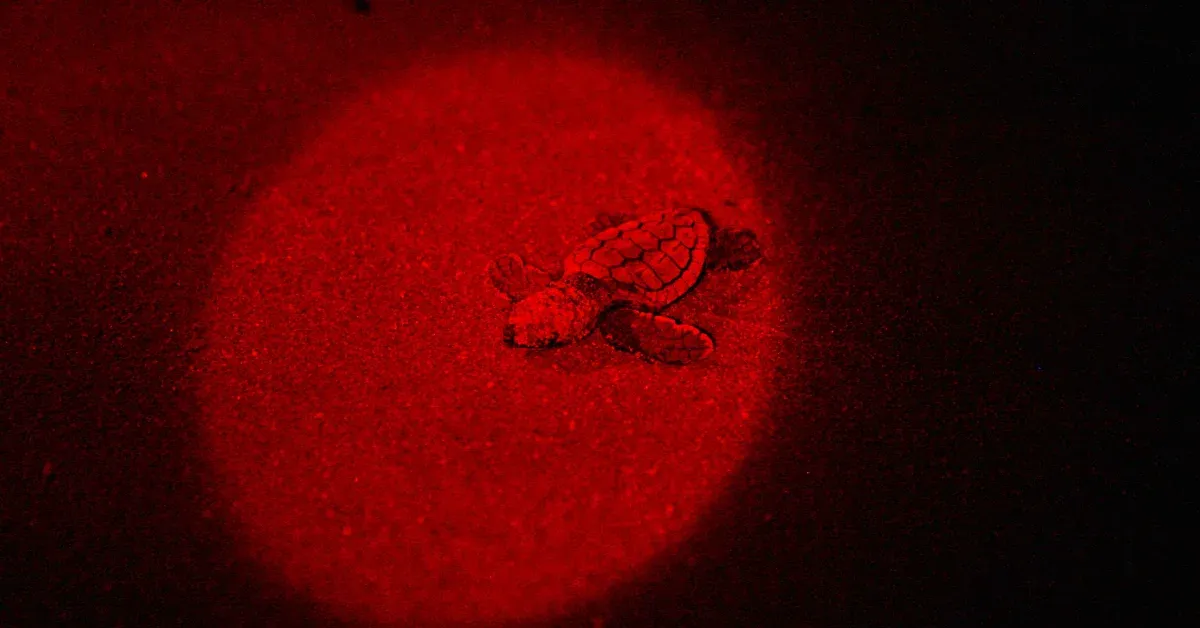
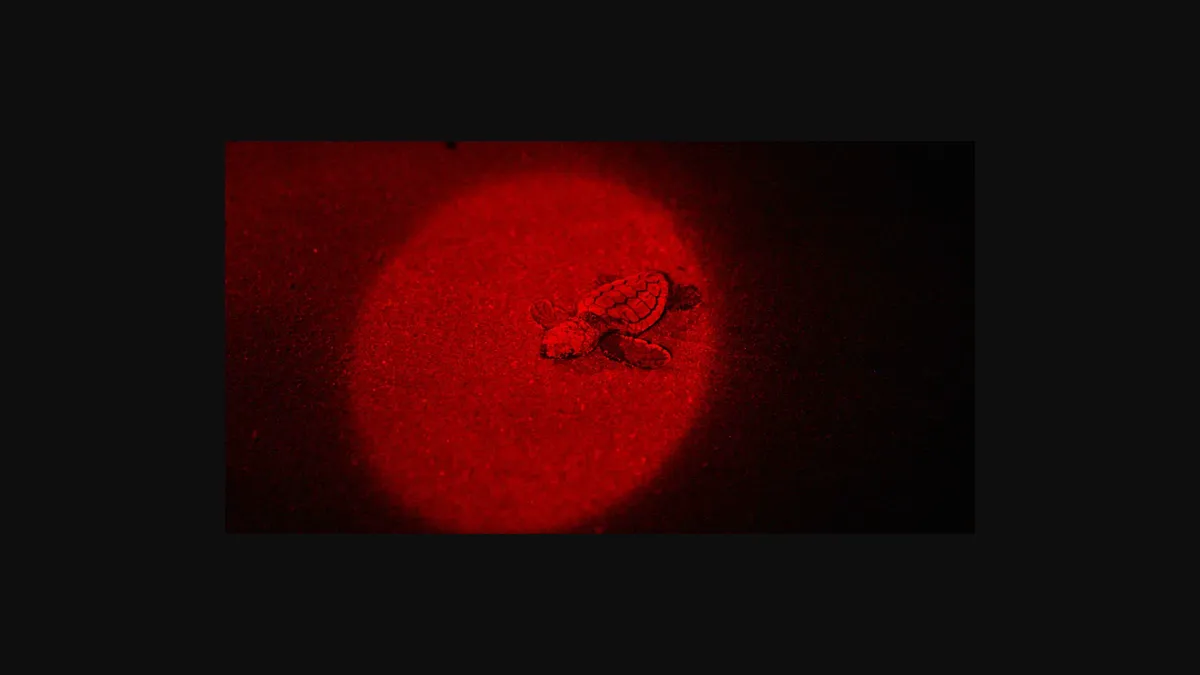
Hatchlings use an instinct called "sea finding." They crawl toward the lowest and brightest horizon. This is usually the ocean, which reflects light from the moon and stars. Sayler compares this to plant leaves turning towards the sun.
Sea turtles do not need a full moon to find the sea. But artificial lights from beach development or flashlights can disrupt this important natural process.
How Many Eggs Do Sea Turtles Lay?
A sea turtle's lifespan varies. Hawksbill and Kemp’s ridley turtles live 30 to 50 years. Leatherbacks can live up to 100 years.
Sayler gave an example for a female green sea turtle. This species reproduces for about 35 years, every two to five years. They lay about 3.6 clutches per season, with an average of 110 eggs per nest. This means a female green sea turtle might lay between 2,772 and 6,930 eggs in her lifetime.
These numbers can change based on "remigration intervals." This is the time between a sea turtle's nesting and breeding seasons. Sea turtles need a lot of energy to travel and lay eggs. They return to feeding areas to regain their strength, which takes two to four years.
Sayler noted that "emergence success" is also important. This means how many hatchlings not only hatch but also successfully leave the nest. She explained that only about one in 1,000 sea turtle hatchlings survive to adulthood. This makes the large number of eggs seem less significant.
The "Lost Years" of Young Turtles
You rarely see small, young, or newly hatched turtles in the water. Sayler believes this is intentional.
Once hatchlings reach the water, they swim until they find something to hold onto, like floating seaweed mats. If they survive their first 48 hours, they spend the next few years in open ocean currents.
This period is known as the "lost years." Famous sea turtle biologist Archie Carr coined the term because hatchlings and young turtles seem to disappear. They stay out of sight to avoid predators in shallower coastal waters.
What Sea Turtles Eat
A sea turtle's diet depends on its species. Some feed in the open ocean, while others prefer shallow coastal waters.
Green turtles mainly eat seagrasses and macro-algae. A major threat to them is the loss of seagrasses.
Hawksbill turtles often eat sponges or other invertebrates. Leatherbacks almost exclusively eat jellyfish and other gelatinous zooplankton.
Green Sea Turtles Are No Longer Endangered
In October 2026, the International Union for Conservation of Nature announced that the green sea turtle was no longer endangered. This came after decades of conservation efforts. Global nesting numbers increased by 28% over 50 years.
However, Sayler said they still need help. The species is still listed as "threatened" under the Endangered Species Act. This means they are legally protected from harm, harassment, and trade.
Sayler compared this to the Florida manatee. It was endangered for a long time. Then, public interest and cooperation between agencies led to practical solutions, and the population improved.
Sayler explained that "endangered" means in danger of going extinct. "Threatened" means at risk of becoming endangered. So, green sea turtles are still protected, but they are no longer on the brink of extinction.