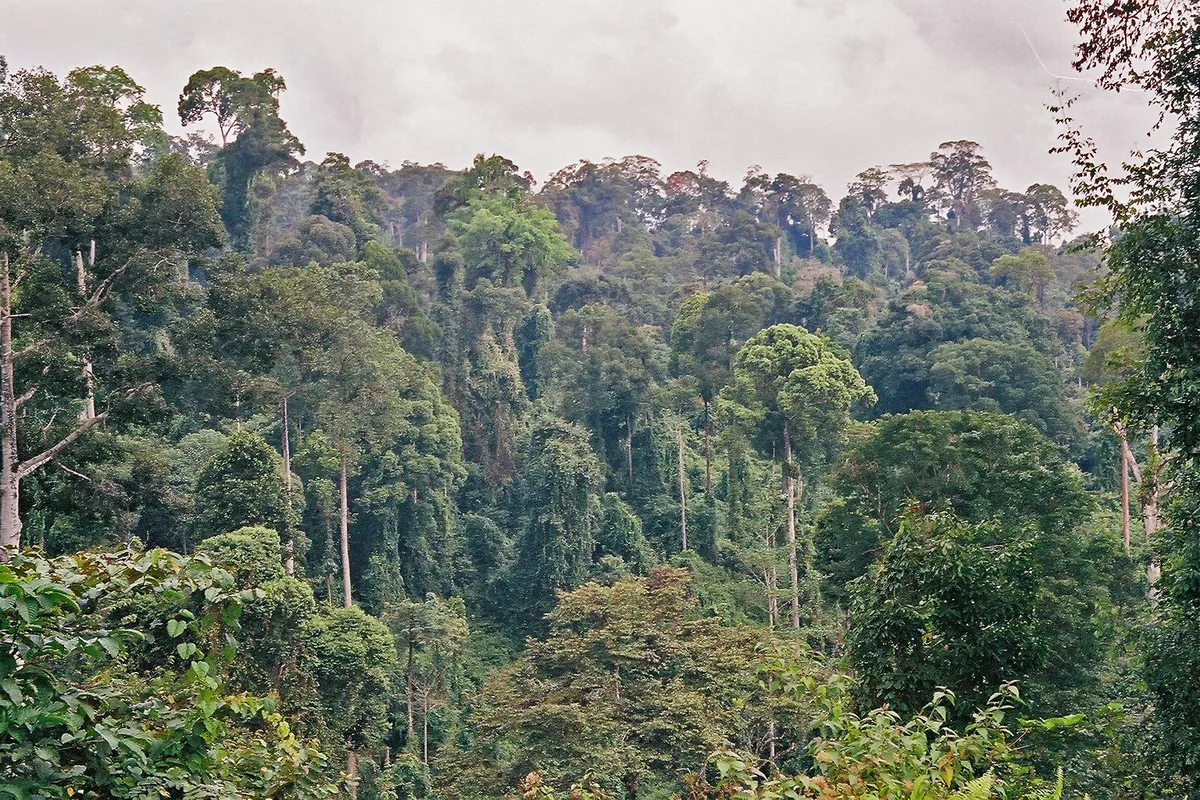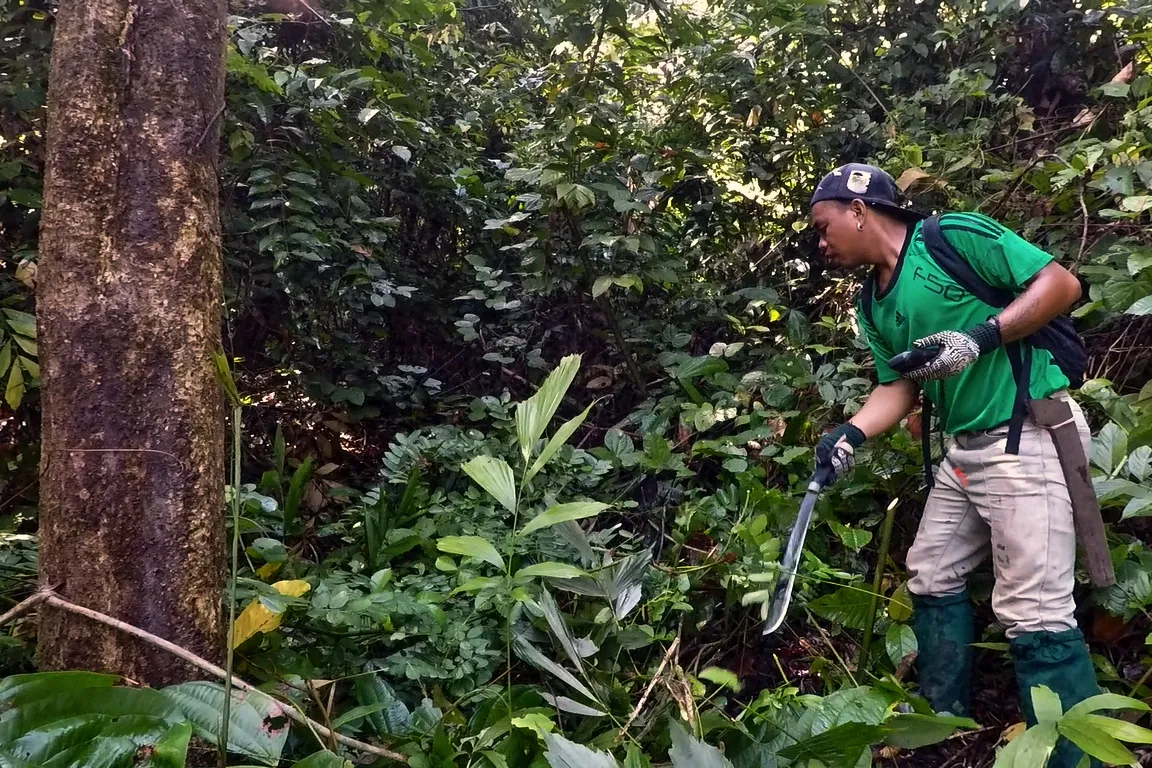
Nobody likes a freeloader, especially not a forest trying to get its life together. Scientists, forever on the hunt for ways to help damaged ecosystems bounce back, just found a surprisingly simple hack: chop the vines. Specifically, the lianas in Borneo's logged forests.
Now, lianas aren't inherently evil. In a healthy tropical forest, these woody vines are basically the forest's internal transit system, creating aerial bridges for critters and providing snacks with their flowers and fruits. Think of them as the charming, if slightly overbearing, neighbors.

The problem starts when a forest gets logged or disturbed. Suddenly, there's more sunlight, and the lianas go full 'takeover mode.' They race to the top, hogging water and nutrients, and basically smothering the recovering trees. It's like trying to rebuild your house while someone else is actively stapling ivy to all the windows. Not ideal for carbon storage or wildlife diversity.
We're a new kind of news feed.
Regular news is designed to drain you. We're a non-profit built to restore you. Every story we publish is scored for impact, progress, and hope.
Start Your News DetoxPrevious studies, mostly in Latin America, have shown that a good liana trim can more than double tree growth. But what about the magnificent Dipterocarp forests of Borneo, home to some of the world's tallest canopies? Well, a new study in Current Biology confirms it: a strategic snip-snip makes a huge difference.
So, if you're ever wandering through a recovering forest in Borneo and see someone with a machete, they're probably just doing some very important gardening. And helping the planet, one vine at a time.