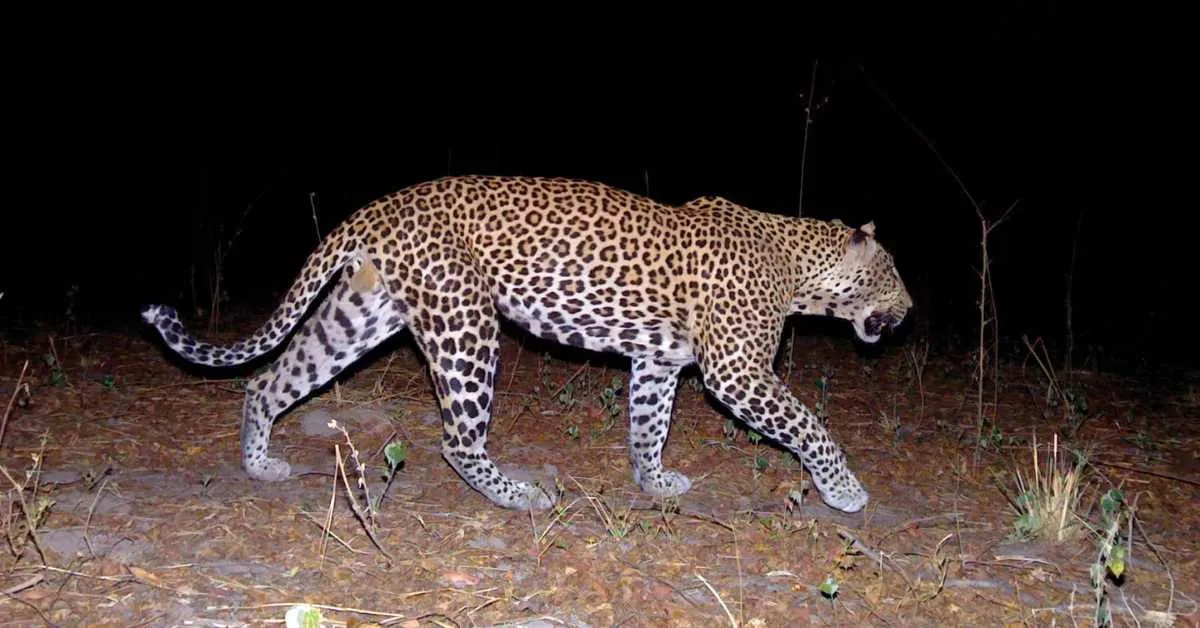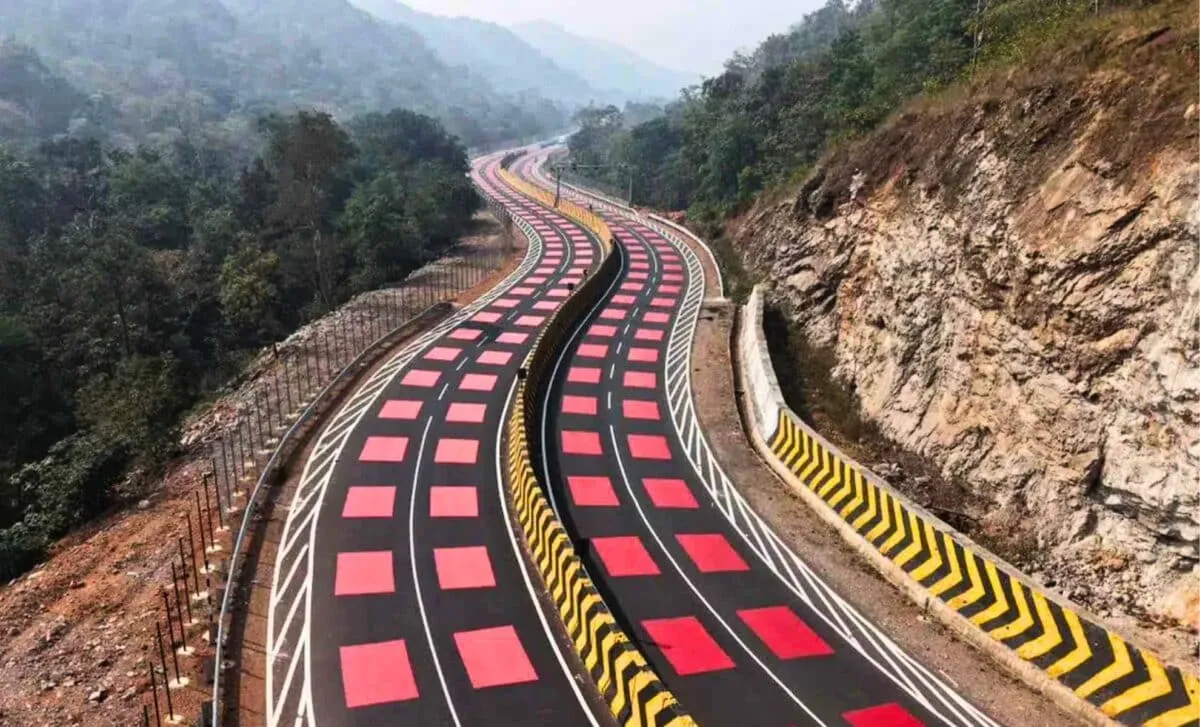
India's Ministry of Road Transport and Highways (MoRTH) and the National Highways Authority of India (NHAI) just gave a highway in Madhya Pradesh a rather striking makeover. This isn't just any road; it slices right through the Veerangana Durgavati Tiger Reserve, which, as the name suggests, is where Bengal tigers and leopards like to hang out.
Roads and wildlife usually don't mix well. For animals, it's a terrifying gauntlet. For drivers, it's a sudden, often tragic, surprise. So, the NHAI decided to get clever. They added 25 underpasses along a 7.5-mile stretch, strategically placed where animals often cross. Because, apparently, one good wildlife crossing can prevent around 1,400 accidents over 70 years. Let that satisfying number sink in.
These underpasses are designed to blend right into the natural landscape, making them feel less like a human-made tunnel and more like... well, just another path to grab a snack. Plus, continuous chain-link fencing now lines both sides of the highway, gently nudging the local fauna towards these safe passages. Because no one wants a leopard trying to merge into traffic.
We're a new kind of news feed.
Regular news is designed to drain you. We're a non-profit built to restore you. Every story we publish is scored for impact, progress, and hope.
Start Your News DetoxThis isn't India's first rodeo with animal infrastructure. The Delhi-Dehradun Expressway, which just opened in April, boasts a 6.8-mile animal corridor. Before it was even officially done, cameras caught over 40,000 images of creatures – elephants, jackals, deer, leopards, and even peacocks – using it in just 40 days. Turns out, if you build it, they will cross.
The Red Carpet Treatment (for Tigers)
But here's where things get really interesting. Beyond the underpasses, the NHAI is using a bit of color psychology to get drivers to slow their roll. They've coated a 1.2-mile section of the highway in the tiger reserve with a bright, 5-millimeter-thick layer of red.
Yes, red. Like a stop sign. Or a very insistent warning. The idea is that the vibrant hue immediately screams: "Hey, slow down, you're entering a wildlife zone!" Which, if you think about it, is pretty smart. Red has the longest wavelength of visible light, making it super easy to spot in crummy weather. Plus, studies show our brains process red up to 10% faster than other colors. So, you literally can't miss it.
As if the color wasn't enough, the slightly raised surface also creates a subtle vibration and sound. It's not jarring, just a gentle rumble that says, "Perhaps ease off the gas pedal?" without making anyone slam on the brakes. It's a thoughtful design with a very green intent, setting a rather colorful standard for how highways can coexist with their wilder neighbors. And hopefully, keep both tigers and commuters a little safer.