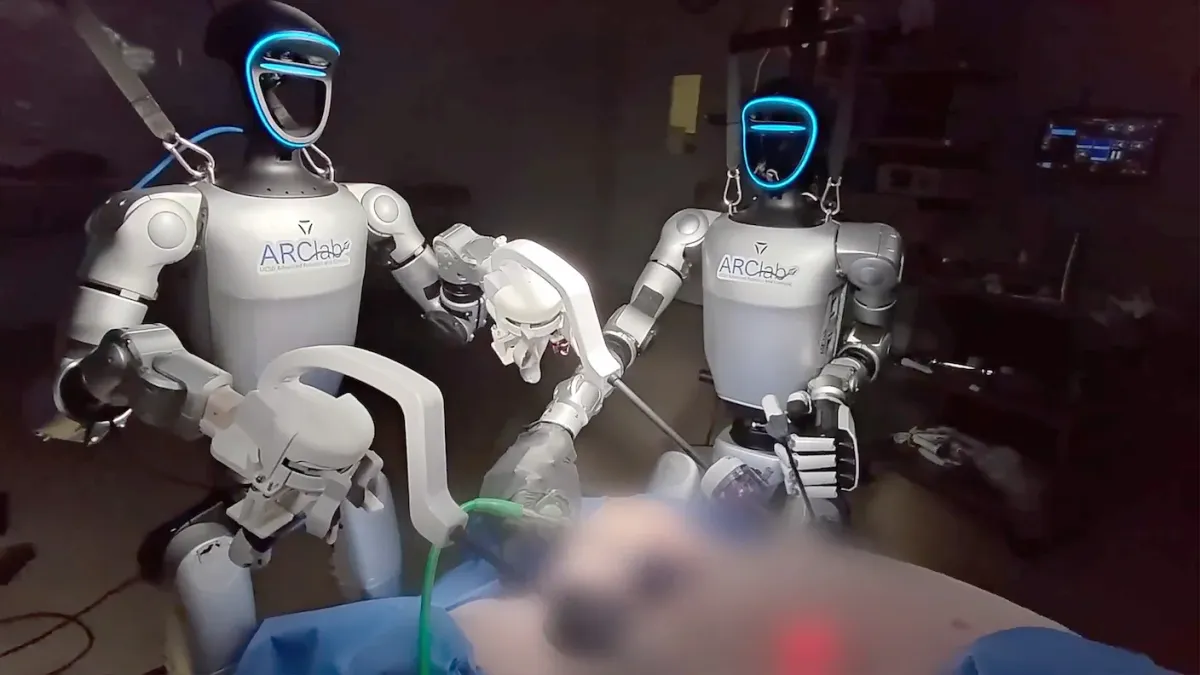
Today, a humanoid robot navigated a pig's anatomy with surgical precision, a new microscope showed us proteins we thought were invisible, and a woman in India reminded us that sometimes the best way to change the world is one sapling at a time. It seems the future is arriving in unexpected packages, and often, it's quieter than we expect.
The Unseen World Just Got a Lot Less Invisible
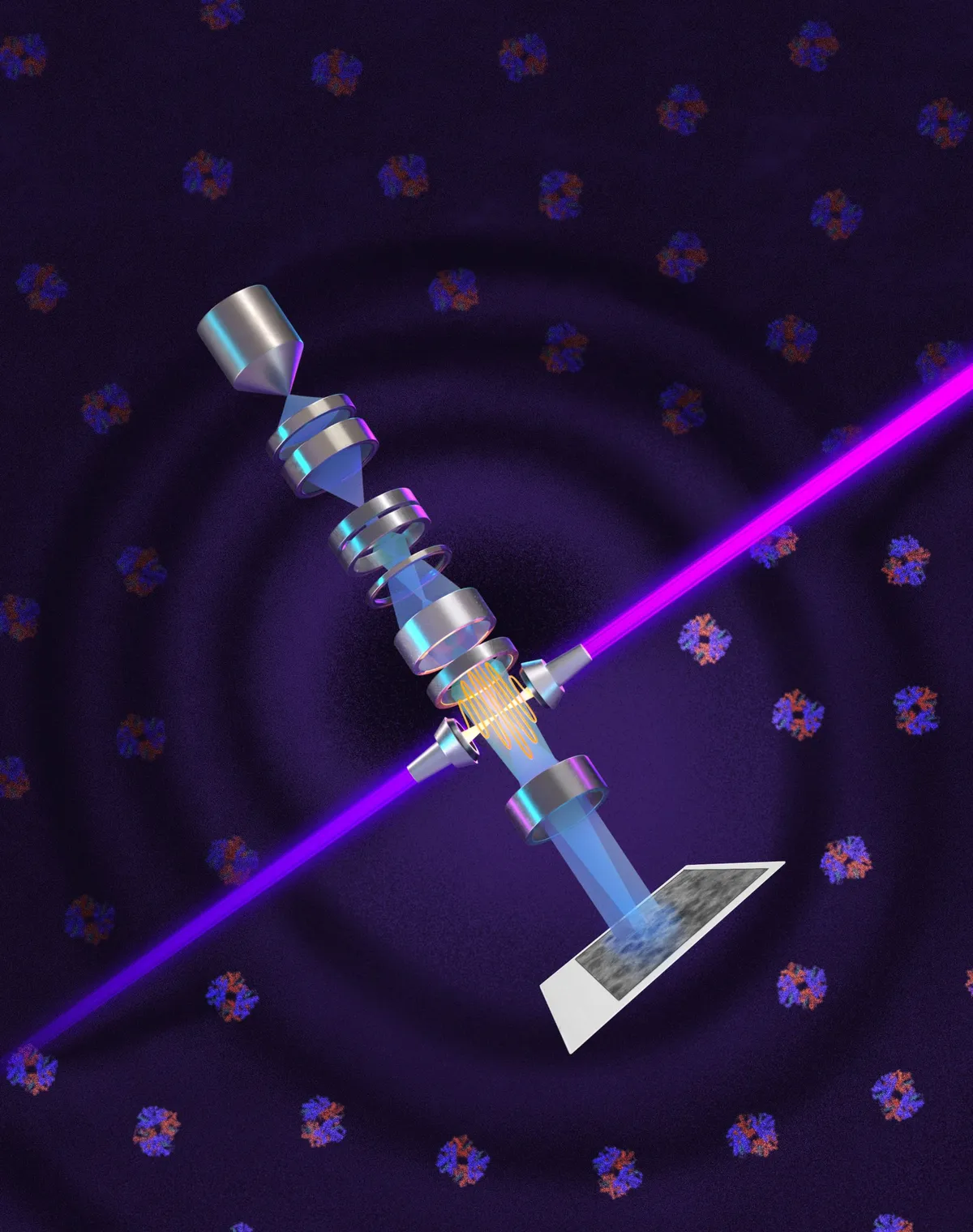
For decades, scientists have grappled with the limitations of what we can actually see. This week, two separate breakthroughs suggest those limits are rapidly expanding. First, a new laser microscope just revealed proteins we thought were invisible. This isn't just a marginal improvement; it's a fundamental shift in what electron microscopes can detect, promising to unlock secrets of biology previously hidden in plain sight. Imagine being able to see the building blocks of life with unprecedented clarity. Meanwhile, researchers are developing an AI-powered electronic nose that can distinguish tens of thousands of odors. This isn't about smelling a flower; it's about detecting diseases on your breath or contaminants in the air with the subtlety of a bloodhound. These aren't just lab curiosities; they're stepping stones to earlier disease detection and a deeper understanding of life itself. If you've ever felt limited by the five senses, this week just gave you a serious upgrade.
"A laser-based innovation could allow electron microscopes to reveal biological structures that have long remained beyond their reach."
Wait—What is Brightcast?We're a new kind of news feed.
Regular news is designed to drain you. We're a non-profit built to restore you. Every story we publish is scored for impact, progress, and hope.
Start Your News Detox
The Future of Care is Getting a High-Tech Upgrade
While some of us are still getting used to self-checkout, the medical world is quietly marching into a new era of diagnostics and treatment. This week, we saw how artificial intelligence isn't just crunching numbers, but actively changing how we care for ourselves and others. In a groundbreaking first, a humanoid robot just performed surgery, removing a pig’s gallbladder with standard surgical tools and under a surgeon's control. This isn't about replacing doctors, but about augmenting their capabilities and potentially making complex procedures more precise and accessible. On the diagnostic front, AI can now spot hidden MS damage in your old brain scans. This means earlier detection for a devastating disease, often using data that already exists. These advancements suggest a future where medical care is not only more effective but also more proactive, catching problems before they become crises. If you've worried about the limits of human intervention, this week offered a glimpse into a future with more intelligent assistance.
Big Impacts Come in Small Packages
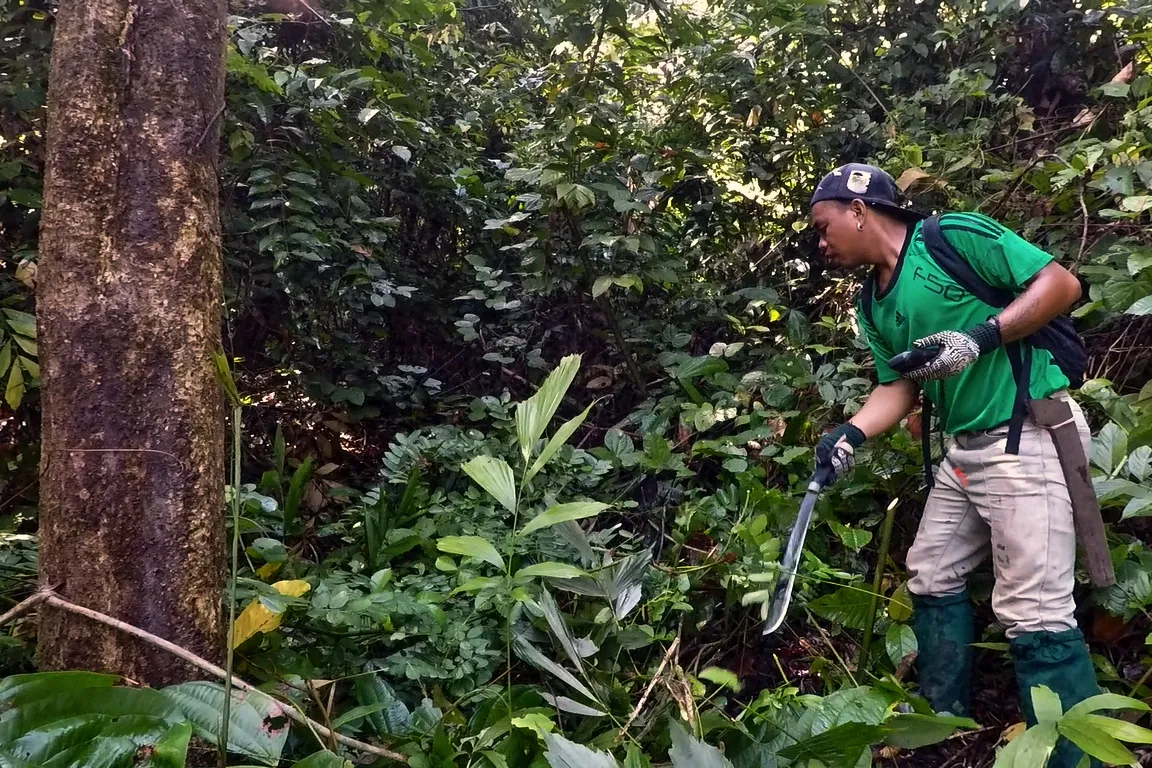
Sometimes, the most profound changes start with simple, dedicated acts. In India, a woman named Saalumarada Thimmakka, unable to have children, poured her love into the Earth instead. Starting with just 10 banyan saplings, she and her husband went on to plant over 8,000 trees across Karnataka, earning her the title "Mother of Trees." Her story is a quiet counterpoint to the week's high-tech headlines, a reminder that individual action, sustained over time, can reshape entire landscapes. Similarly, a study out of Borneo found that forests grow faster when you trim the weeds. This seemingly small intervention, clearing competing vines, dramatically accelerates forest recovery and carbon sequestration. These stories highlight that while grand solutions often grab headlines, consistent, focused effort—whether by an individual or a targeted approach—can lead to monumental change. If you've ever felt overwhelmed by the scale of global problems, remember that small, smart actions still pack a punch.
Hope stat: 8,000 — the number of trees planted by one woman and her husband, transforming a landscape and inspiring a nation.
Watch this space: The continued integration of AI into everyday diagnostics and surgical procedures is set to redefine healthcare in the coming years.