Imagine a world where your computer doesn't just calculate, but leaps into the future to solve problems. That's the vibe a new quantum algorithm is giving off, potentially unlocking faster AI and scientific breakthroughs we've only dreamed of. Because apparently, regular computing just isn't dramatic enough.
Researchers have cooked up something called the quantum Hermite transform (QHT). Think of it as a shiny new LEGO brick for quantum computers – a fundamental building block that could let them tackle problems currently way out of their league. We're talking about processing data, simulating complex systems, and even powering the next generation of artificial intelligence. Their findings were so significant, they were presented at the 58th Annual ACM Symposium on Theory of Computing (STOC 2026). Let that satisfying number sink in.
The Missing Piece in a Quantum Puzzle
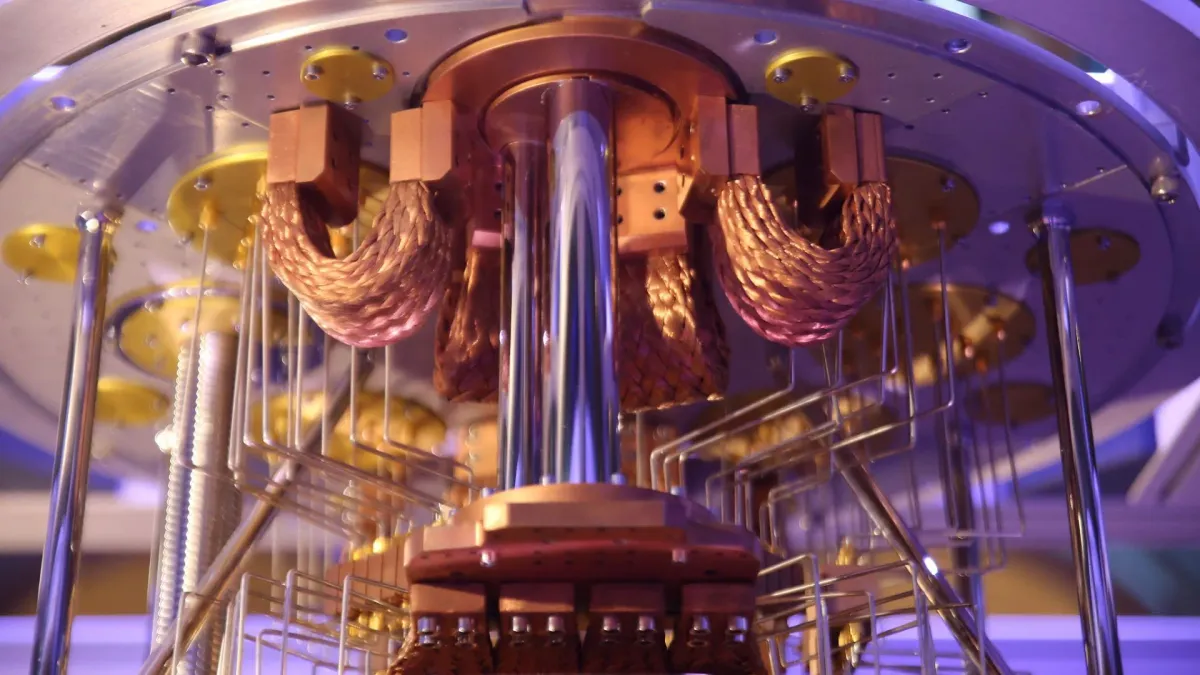
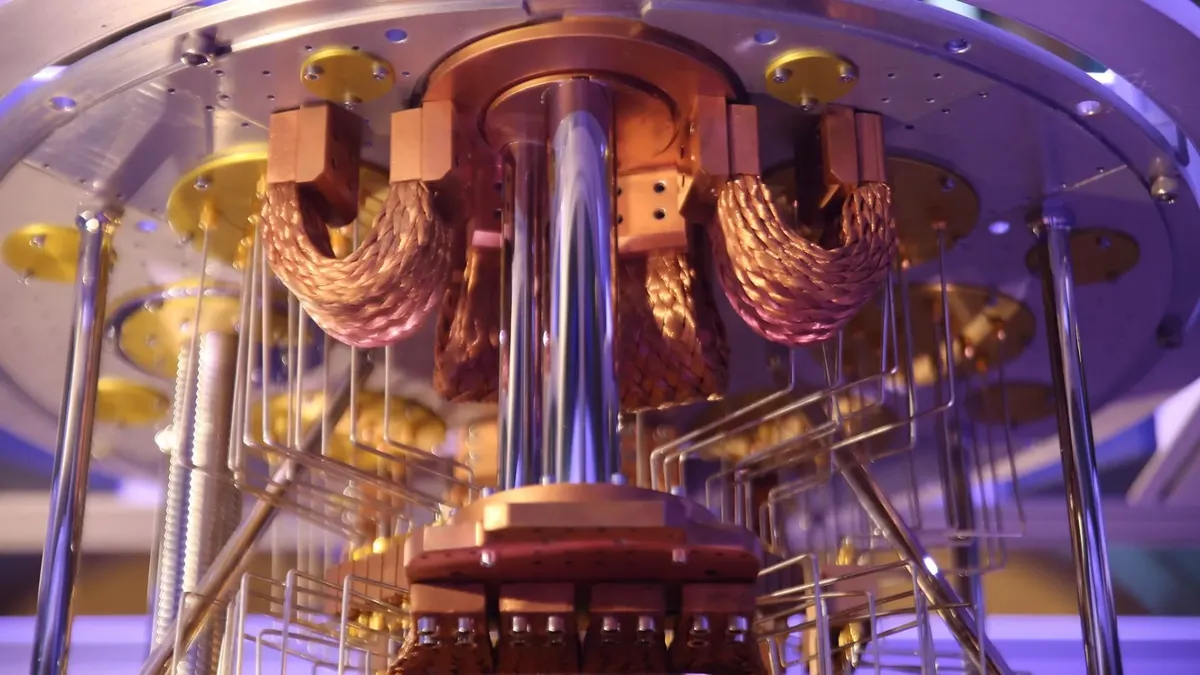
Quantum computers are amazing, operating on the spooky principles of quantum mechanics like superposition and entanglement. But while the hardware keeps getting better, the software has been a bit like a chef with a state-of-the-art kitchen but only one knife. They needed more versatile tools.
We're a new kind of news feed.
Regular news is designed to drain you. We're a non-profit built to restore you. Every story we publish is scored for impact, progress, and hope.
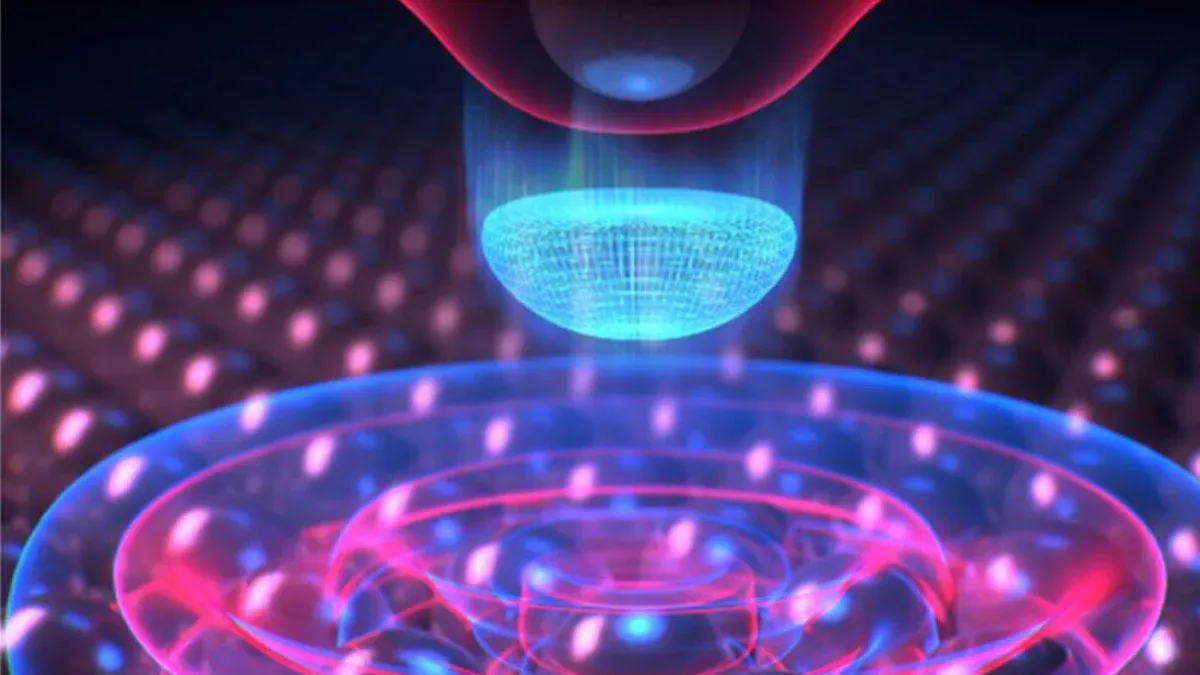
Start Your News DetoxEnter the QHT. The standard Hermite transform is a workhorse in classical computing, essential for everything from signal processing to describing a quantum harmonic oscillator (a fancy physics model). It's also key in the Gaussian-based systems that underpin machine learning. The problem? Doing this efficiently on a quantum computer was, until now, a total nightmare. Too many steps, too much complexity.
Fast-Forwarding to the Future
The team designed a quantum circuit for the Hermite transform that slashes the number of operations needed. It's like taking a scenic route that used to require 100 turns and boiling it down to five straightaways. This dramatically cuts down the computational effort, which in the quantum world, is everything.
But here's where it gets really interesting: the algorithm also uses "quantum fast-forwarding." This lets a quantum computer essentially predict the future state of certain quantum systems without having to simulate every single step in between. Skip the mundane, get straight to the payoff. Researchers say this could drastically reduce the time it takes to set up complex quantum states before the real calculations even begin.
While the math is dense enough to give a normal person a headache, the impact is anything but theoretical. Hermite functions are the backbone of countless models in statistics, machine learning, and signal processing. The researchers believe this new quantum primitive could lead to radically more efficient quantum algorithms for AI, materials science, energy research, and all sorts of advanced simulations.
Even better, this isn't just a slight improvement; the quantum Hermite transform is much faster than the best classical methods for similar tasks, provided the quantum computing conditions are right. This isn't just a step forward; it's a quantum leap.
The project kicked off with support from the U.S. Department of Energy, with Ning Bao (Northeastern University and Brookhaven National Laboratory) and Stephen Jordan (Google Quantum AI) leading the charge. It's a reminder that building the future isn't just about bigger machines; it's about the clever math that makes them sing. While true fault-tolerant quantum computers are still on the horizon, these new algorithmic primitives are the crucial building blocks deciding what those future systems will actually be able to do. It's not an app; it's the fundamental ingredient for a whole new recipe book of quantum possibilities.