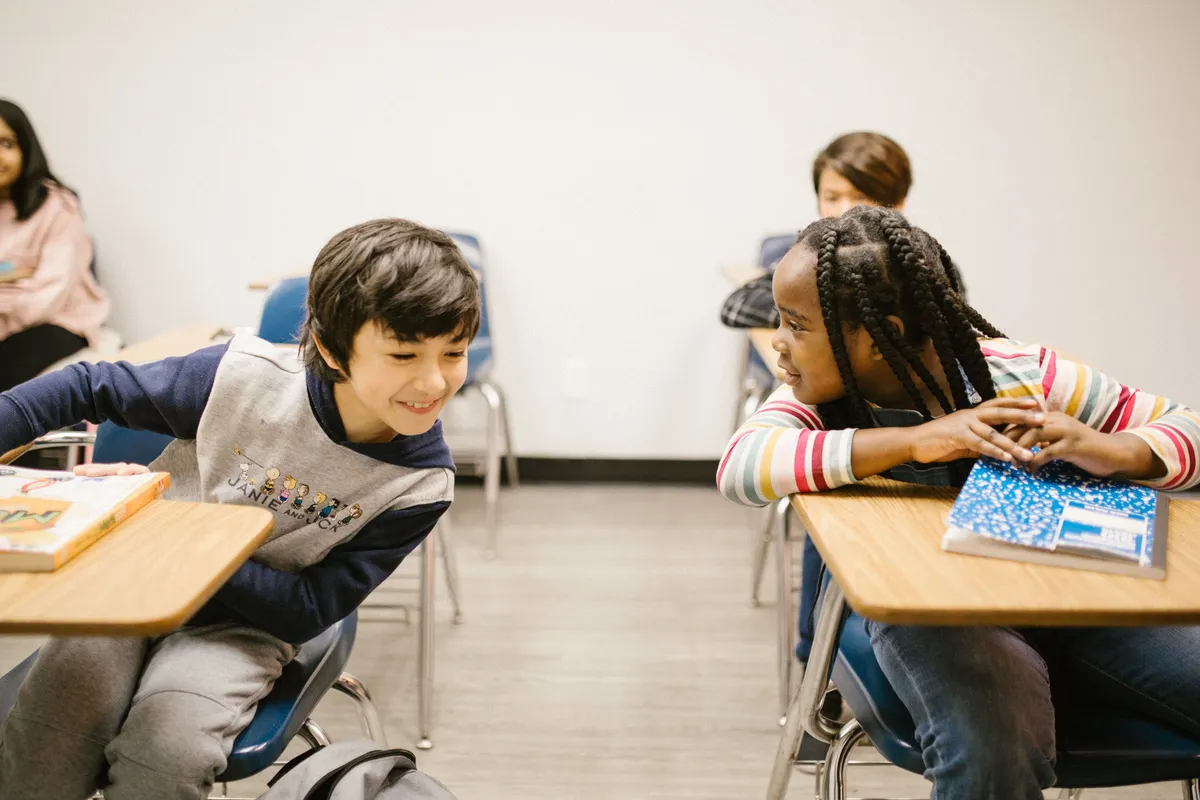
A new study suggests children play a much larger role in shaping human culture than once thought. Researchers found that children do not just learn from adults. They also create, share, and keep their own cultures alive.
Children's Peer Cultures
These cultures include games, stories, songs, slang, and rules. Children also share unique knowledge about nature and local areas.
Kids from three to seventeen years old often develop cultural practices that adults may never see. They pass this knowledge to each other. These traditions can last for many generations.
We're a new kind of news feed.
Regular news is designed to drain you. We're a non-profit built to restore you. Every story we publish is scored for impact, progress, and hope.
Start Your News DetoxHow Children Help Communities Adapt
Peer cultures are more than just kids playing. Children often create practices that help communities deal with change. This includes changes in the environment, social life, or even climate.
Children spend a lot of time exploring and trying new things. They often do this without adults watching closely. Their ideas bring valuable new ways of thinking to a community.
When things change quickly, these new ideas can help communities be stronger. They can also spark new ways to solve problems.
A New View of Childhood
The researchers believe these findings should change how scientists see children.
Instead of just seeing them as future adults, the study suggests we see children as active helpers in how culture changes. The team hopes their work will lead to more research. They want to learn more about how children shape culture, especially where peer groups are important in daily life.
Deep Dive & References
Children as agents of cultural adaptation - Behavioral and Brain Sciences, 2024