For over 40 years, if an astronaut needed a medical image in space, their only option was an ultrasound. Which, if you've ever had one, you know isn't exactly a high-res, "see-everything" kind of scan. Plus, they're tricky to use in a noisy, cramped spacecraft, and apparently, astronauts needed a ton of training to even operate the thing.
But that era of blurry, sound-wave-based guesswork is officially over. Because now, we have X-rays in orbit. Yes, actual X-rays.
Beaming Up
For decades, X-ray machines were considered too bulky, too radiation-heavy, and frankly, too much of a pain to use in zero-g. Imagine trying to hold perfectly still for an X-ray when you're constantly floating. "It was thought to be too hard," says Mayo Clinic researcher Sheyna Gifford, who's been dreaming of better space diagnostics for ages.
We're a new kind of news feed.
Regular news is designed to drain you. We're a non-profit built to restore you. Every story we publish is scored for impact, progress, and hope.
Start Your News DetoxTurns out, "too hard" was just a challenge waiting for a smaller, cooler-sized machine like the MinXray TR90BH. Gifford's team first tested digital X-rays in a microgravity simulation in 2022, then spent years working with SpaceX to get one on an actual mission.
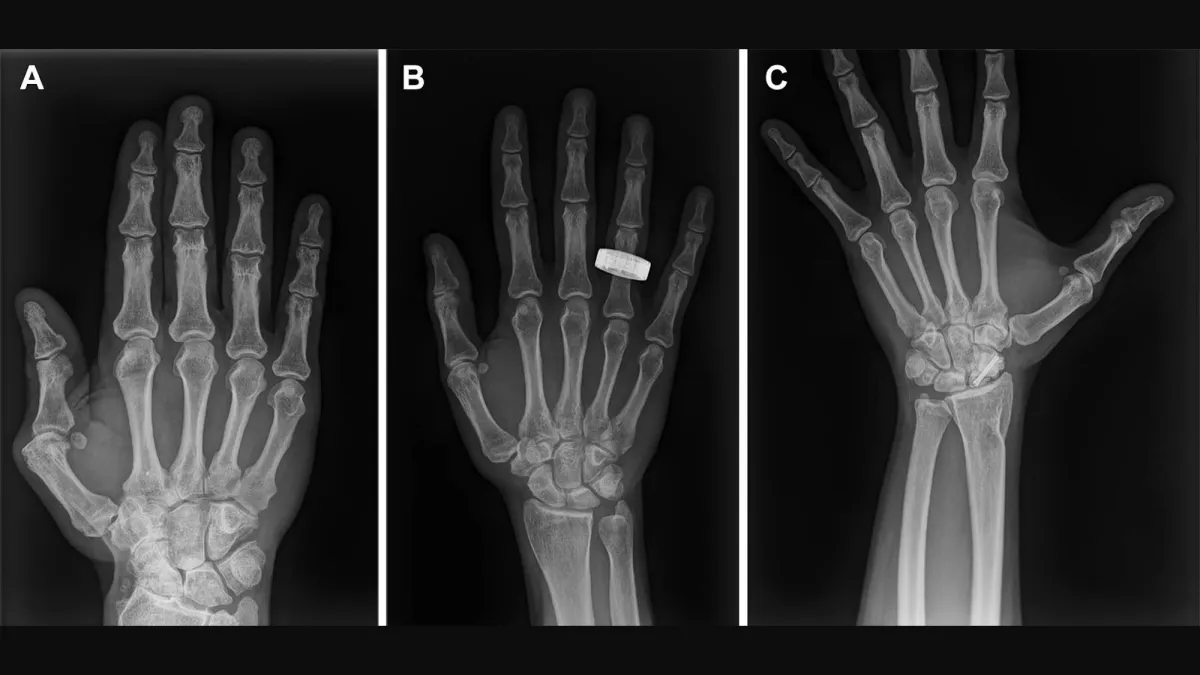
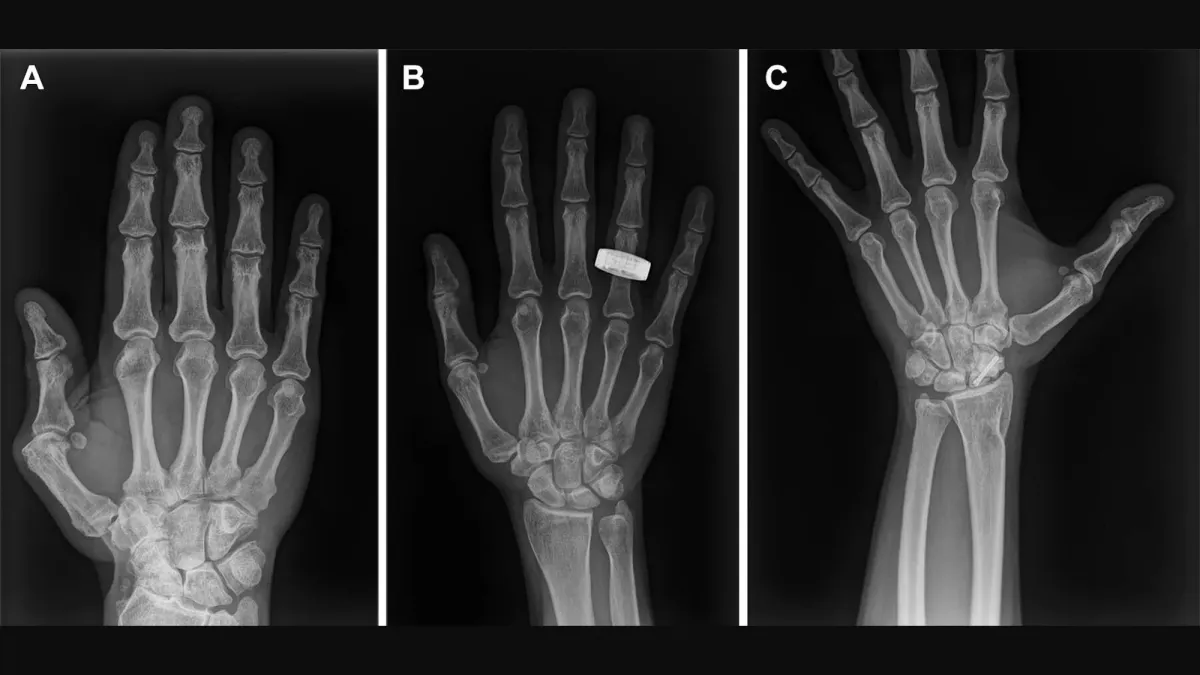
And last year, it happened. A crew on the Fram2 mission, after just four hours of training (compared to days for ultrasound), took pre-flight X-rays of their hands, forearms, chests, abdomens, and pelvises. Then, after their SpaceX Falcon 9 rocket launched on March 31, 2025, they calibrated the system in orbit and scanned the exact same body parts (plus a smartwatch, because why not?).

When they returned, three independent radiologists reviewed the orbital images. The verdict? Aside from some slightly lower scores for central body positioning, the scans were just as good as those taken on Earth. And the astronauts? They said the machine was a breeze to use, even with minimal training. Gifford put it simply: "Three non-medical people, with four hours of training in a harsh environment, did it correctly and well."
Beyond Bones
This isn't just about spotting a broken bone on the Moon. X-rays offer a crucial peek inside things without having to disassemble them. Think electronics, critical mission components, even spacesuits. Because sometimes, you just need to know what's going on inside that black box without, you know, breaking it open.
There's one tiny hiccup to iron out before these become standard Lunar equipment: the Fram2 astronauts reported some minor exterior damage to their machine during takeoff and landing. It still worked perfectly, but no one wants a dinged-up diagnostic tool on the way to Mars. Still, the future of space medicine just got a whole lot clearer.