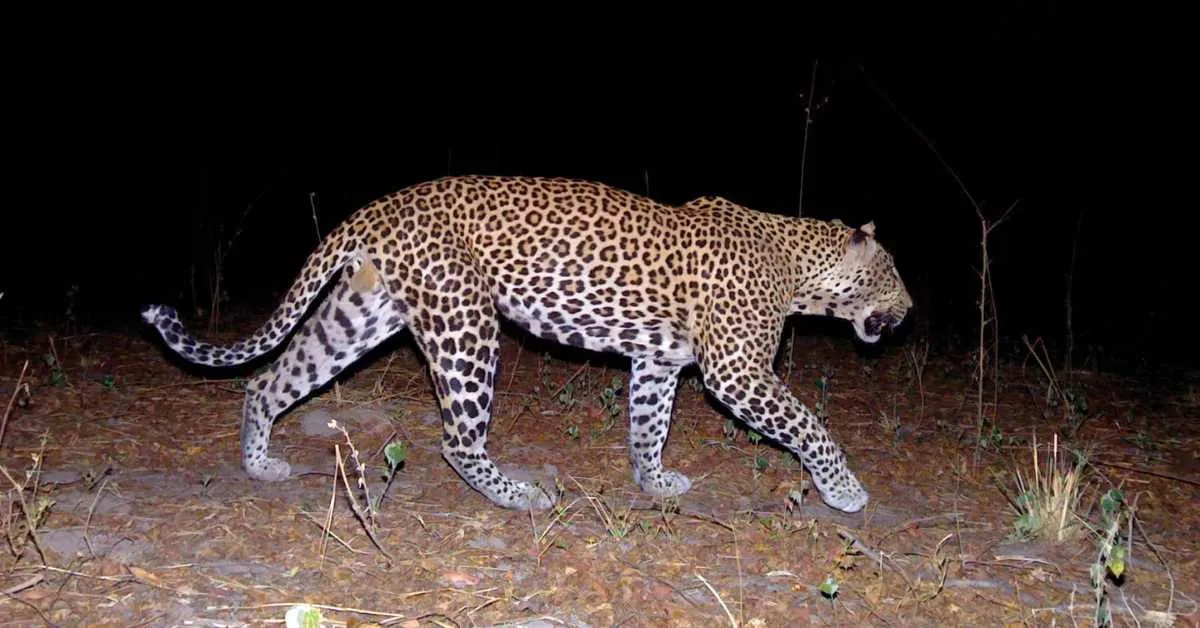
Researchers in Benin's Pendjari National Park have reported good news for West African leopards. Their numbers increased from 2017 to 2023. This is a positive sign for a species listed as regionally endangered, with only about 354 leopards left in West Africa.
Pendjari National Park is part of a larger conservation area called the W-Arly-Pendjari Complex. This area includes national parks, hunting reserves, and buffer zones. Recently, armed groups have moved into this region. Despite these security challenges, conservation efforts in Pendjari National Park are making a difference.
Hope for West African Leopards
Monitoring West African leopards in Pendjari National Park has been tough. It's a vast wilderness in an area with armed conflict. Yet, a recent study shows hopeful results. Leopard density in the park grew over six years.
We're a new kind of news feed.
Regular news is designed to drain you. We're a non-profit built to restore you. Every story we publish is scored for impact, progress, and hope.
Start Your News DetoxThe nonprofit African Parks has managed the park since 2017, working with the government. This conservation effort appears to be successful. Marine Drouilly, a biologist with Panthera, a wild cat conservation group, called it "a win."
West African leopards are distinct from other African leopard populations. In 2025, they were listed as regionally endangered. Their population had dropped by 50% in the previous two decades.
Only about 354 of these leopards remain across West Africa. Key areas for them include Pendjari, Niokolo-Koba–Badiar in Senegal, and several national parks in Côte d’Ivoire and Ghana.
A growing human population in West Africa means leopard habitats are shrinking and becoming separated. This isolates small leopard groups. Also, widespread hunting for bushmeat leaves leopards with less prey.
Poaching is another big threat. Leopards are hunted for their skins, teeth, and bones to supply the illegal wildlife trade. In West Africa, there's also a demand for talismans made from leopard skin.
The W-Arly-Pendjari (WAP) Complex is a huge conservation area covering Benin, Burkina Faso, and Niger. It's a World Heritage Site and a crucial refuge for many endangered species. This includes West African lions, forest elephants, Northwest African cheetahs, and West African leopards.
However, armed groups have moved into this remote area over the last decade. This threatens wildlife and makes conservation harder.
Despite these dangers, African Parks keeps rangers and an anti-poaching unit in the field. They get support from the Benin Armed Forces and use aerial surveillance. Hugues Akpona, a regional manager with African Parks, said they are restoring habitats, increasing prey animals, and managing water sources. They also work with local communities, involving them in decisions and supporting economic growth.
Drouilly noted that their hard work is paying off. She believes this study offers lessons for conservation in other conflict zones.
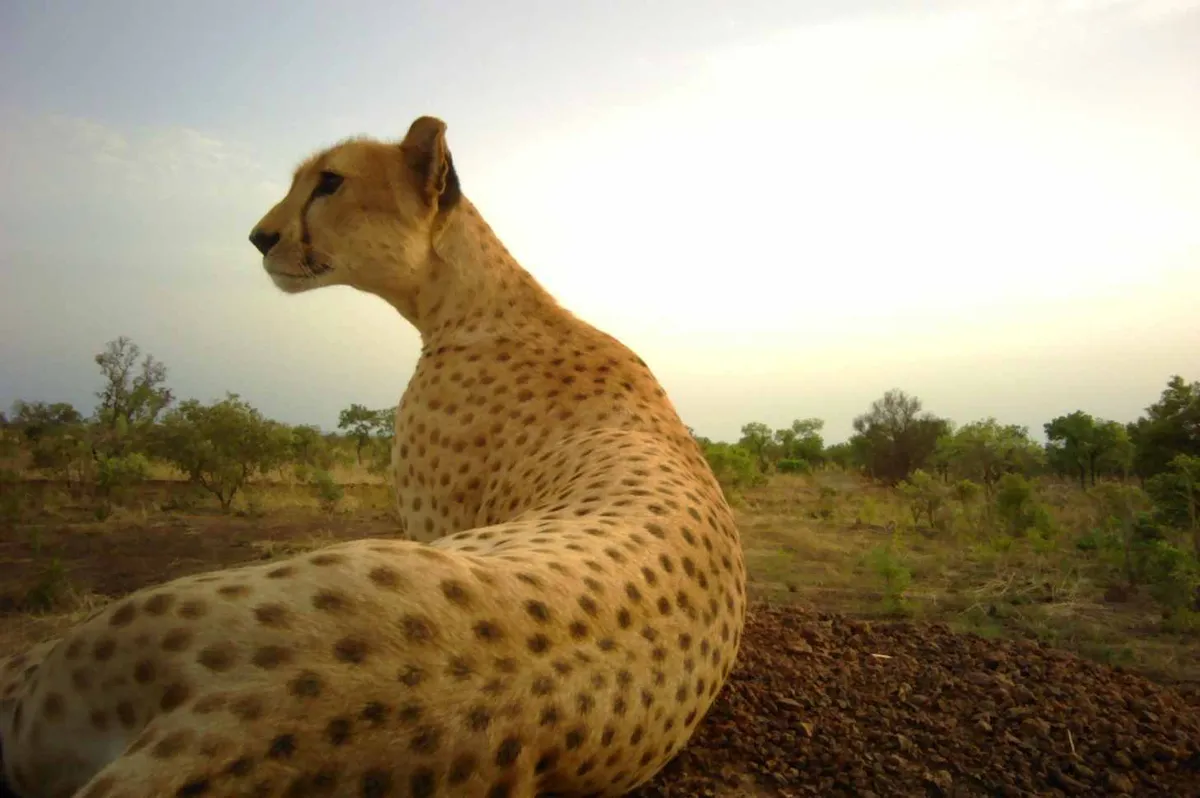 A critically endangered Northwest African cheetah in Pendjari National Park, in 2019. A recent study found that Pendjari remains a core area for cheetahs, though the population is “worryingly small.” Courtesy of ZSL-CCI/Panthera/IUCN Cat SG/APN
Leopard Numbers Show a Small Increase
To track leopards in Pendjari National Park, a team started camera trap surveys in 2017. This was the first long-term study of leopards in West Africa.
The researchers expected leopard numbers to drop, especially after 2022. That's when armed group attacks increased, making parts of Pendjari hard to reach.
Instead, leopard density slightly increased from 0.62 to 2.08 leopards per 38.6 square miles over six years. This suggests the park's leopard population is growing. While they couldn't estimate a total population size, any increase is good news given how few leopards are left.
Drouilly said they were "very, very happy" with the significant, though slight, increase. The study also found that leopard survival rates were moderately high, indicating a recovering population. However, they did not detect any cubs, which is a concern.
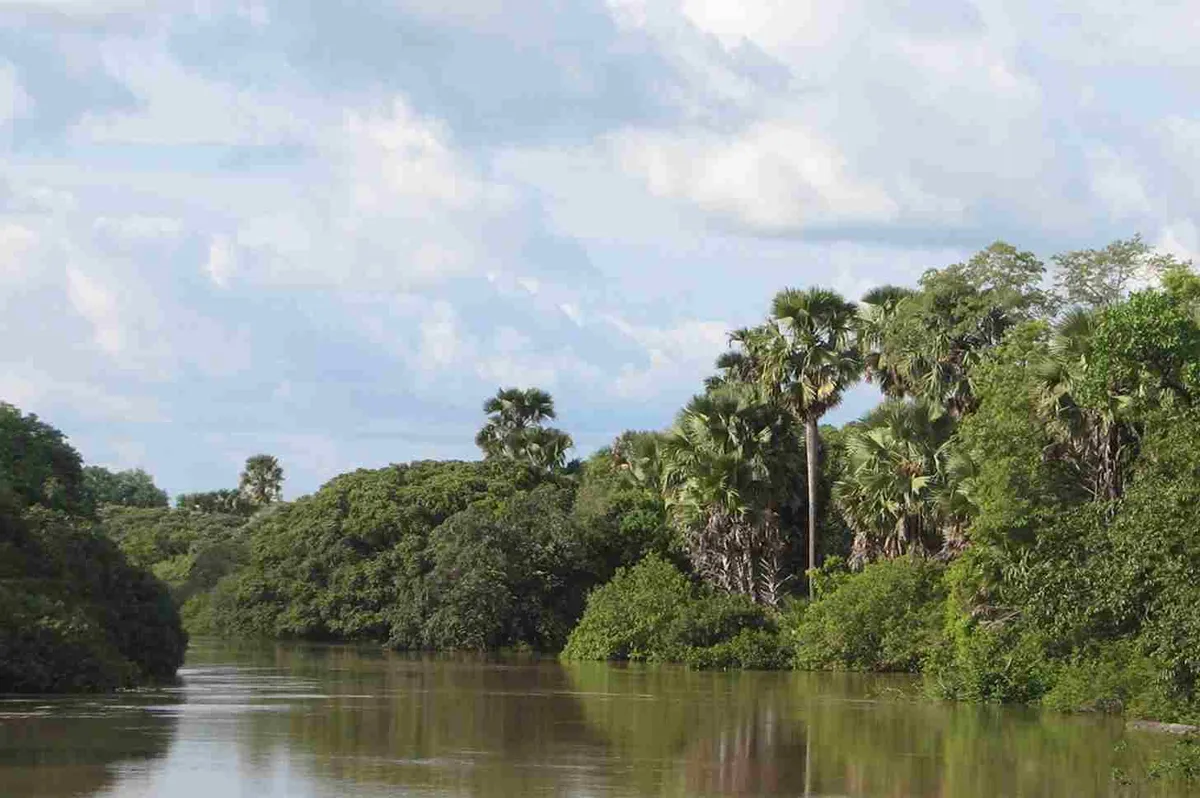 The Pendjari River runs along Pendjari National Park’s northern boundary and forms the border between Benin and Burkina Faso. The riverine forests are prime leopard habitat, but in recent years have become too dangerous for researchers to access because of armed militias operating in the area. Wegmann/Wikimedia Commons (CC BY-SA 3.0).
Armed Groups and Conservation Challenges
The main challenge for the national park is the security crisis in the border region of Benin, Burkina Faso, and Niger. Armed groups have moved into the WAP Complex, using the remote wilderness for bases and smuggling. This makes wildlife protection and conservation efforts difficult and dangerous. In July 2024, an armed group killed five African Parks rangers and seven Benin Armed Forces members in a nearby park.
Akpona noted that insecurity directly threatens conservation and weakens management strategies. Conflict makes it hard to do monitoring work. For example, the team could only set up 50 camera traps in 2023, compared to 81 in 2021. This meant they couldn't survey prime leopard habitat along the Pendjari River.
Even in surveyed areas, armed groups make it risky to check camera traps or replace batteries. The team uses special camera traps designed by Panthera that need less maintenance. Over 100 rangers have been trained to deploy these cameras, providing high-quality data. The team is also exploring other monitoring methods, like collecting fur and feces for eDNA analysis.
Despite these challenges, the increase in leopard density shows that conservation efforts are working. Akpona said their efforts benefit leopards, the ecosystem, and local communities. Community engagement, measured by the Community Conservation Index, reached 81% in 2025.
To help predators thrive, African Parks began reintroducing key antelope species in 2024. These include hartebeest, waterbuck, korrigum, and kob.
Drouilly emphasized that continued protection leads to positive outcomes. She noted that this work supports biodiversity and provides livelihoods and stability for people in the region.
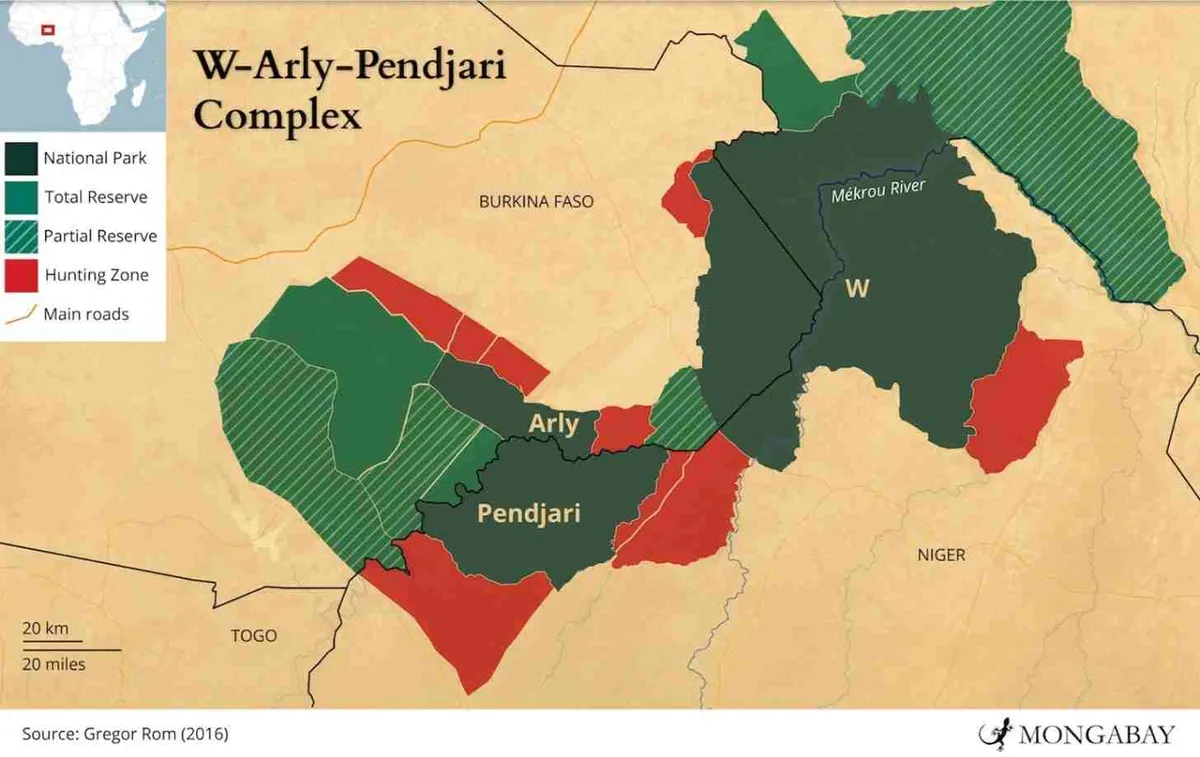 Researchers deployed camera traps from 2017-2023 to monitor leopards in the W-Arly-Pendjari Complex, which straddles Benin, Burkina Faso, and Niger in West Africa.
Broader Concerns for Leopards
The future for leopards in other parts of the WAP Complex seems less certain. A 2021 survey in the Benin sector of the WAP National Park, also managed by African Parks, found no leopards. In the Niger and Burkina Faso sectors, there's little management, and satellite data shows heavy overgrazing by cattle.
This makes the survival of leopards in Pendjari even more important. Drouilly hopes that if the entire area can be secured, animals will expand and recolonize these regions.
Globally, leopards are listed as vulnerable. Subspecies across Africa and Asia are declining. Andrew Stein, who leads the leopard's IUCN Red List assessment, noted that leopards are often overlooked because they are secretive. He said, "Because they’re so secretive, the assumption is that they’ll be fine. And what we’ve learned … is that they’re not."
Stein, who was not involved in the study, called the findings "really exciting" and a rare piece of good news. He added that if leopards are given a chance and enough prey, they can recover, as this study suggests.
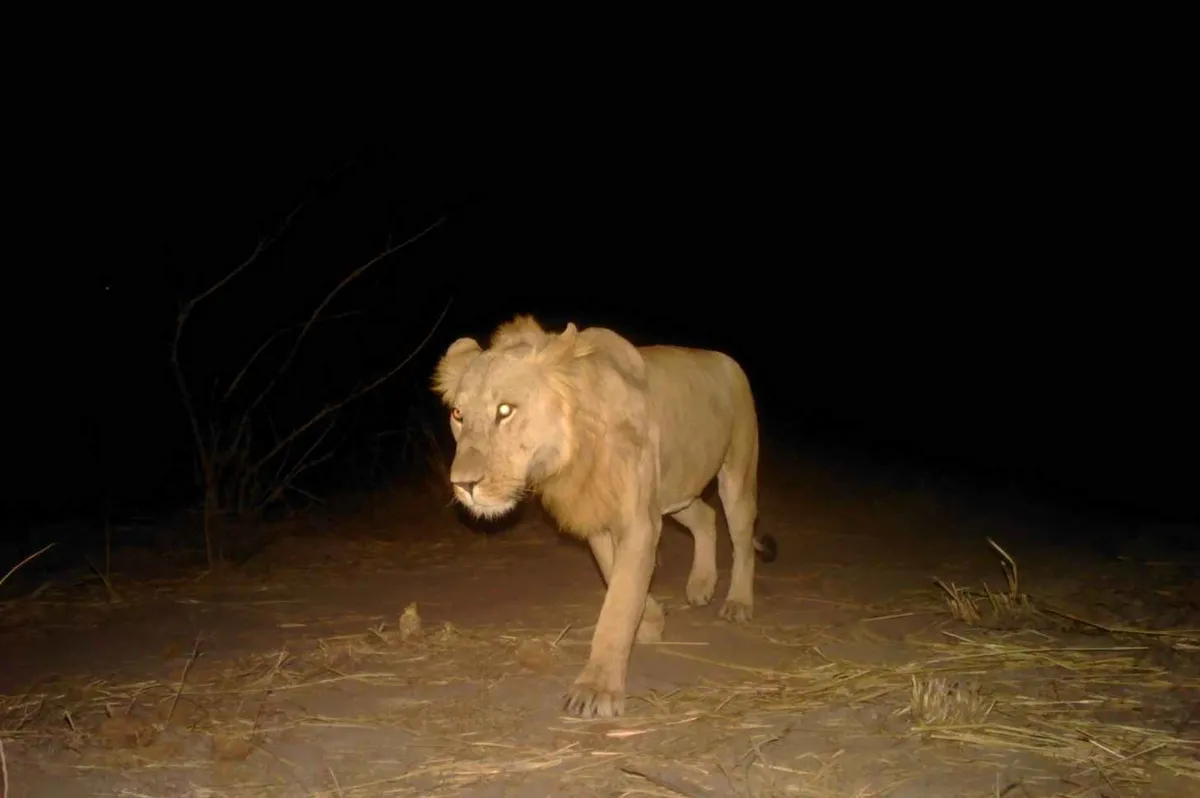 A male lion photographed in Pendjari National Park during the camera trap survey. As the most effectively managed and intact sector within the W-A-P Complex, this park remains a vital refuge for numerous threatened and endangered species, including West African lions. Courtesy of ZSL-CCI/Panthera/African Parks/Pendjari National Park Complex
Deep Dive & References
Leopard density and population dynamics in Pendjari National Park, Benin: A stronghold in the W-Arly-Pendjari Complex - Global Ecology and Conservation, 2026