Malawi's borders, it turns out, are a surprisingly effective last stand. After nearly a year of heightened vigilance, authorities are celebrating a win: they've officially halted the smuggling of invasive crayfish into the country. Apparently, when you put your mind to it, you can keep a determined crustacean out.
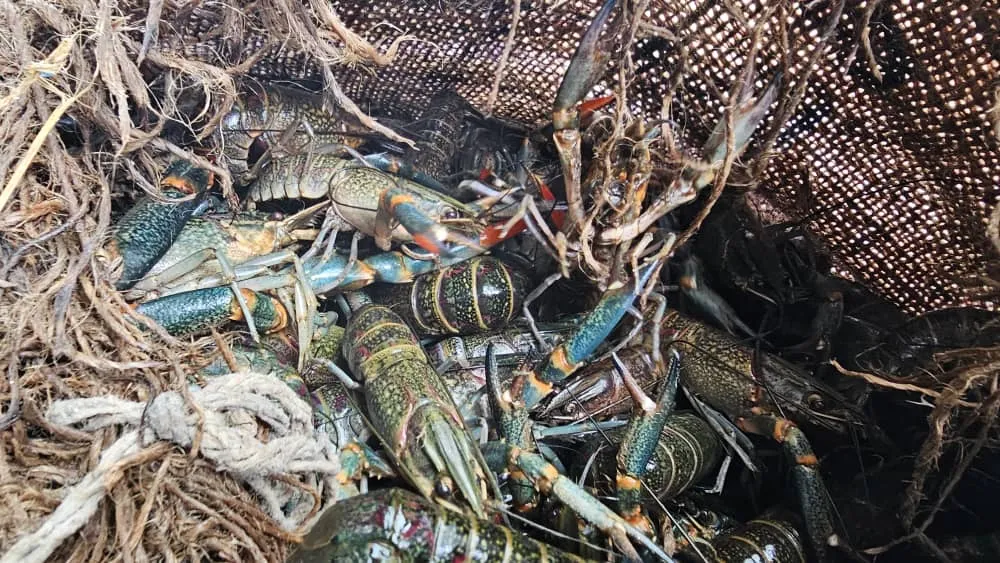
This isn't just about a few rogue crawdads. We're talking about the redclaw crayfish (Cherax quadricarinatus), a species native to Australia and Papua New Guinea, now extensively farmed in neighboring Zambia. And, as fisheries department officer Davie Khumbanyiwa points out, it's not exactly welcome in Malawi's delicate ecosystems.
The Great Crayfish Containment
Khumbanyiwa and his team have been busy. They've ramped up border controls, increased inspections, and even started doing spot checks in markets and rivers. Because apparently, even crayfish need a passport check now. Malawi is also working with Zambia, Tanzania, and Mozambique to ensure these non-native species don't just waltz across the continent.
We're a new kind of news feed.
Regular news is designed to drain you. We're a non-profit built to restore you. Every story we publish is scored for impact, progress, and hope.
Start Your News DetoxJeremiah Kang’ombe, a fisheries expert (who presumably knows a thing or two about what lurks in the deep), emphasizes that porous borders make robust controls absolutely critical. It's the first line of defense, which, when you think about it, is a lot of pressure to put on a border guard trying to spot a suspicious-looking bucket of shellfish.
This all kicked off in a big way in May 2025 (yes, May 2025 – time flies when you're fighting invasive species!). Malawian authorities intercepted four Zambian individuals attempting to bring in a staggering 250 kilograms (that's a quarter-ton, for those keeping score at home) of live redclaw crayfish. Against fisheries and environmental rules, naturally.
The smuggled crustaceans were, rather dramatically, burned. The smugglers were fined and released. One of the arrested individuals confessed it wasn't his first rodeo, admitting to a previous, smaller haul of 20 kilograms (44 pounds) earlier that year. Since that fiery incident, however, the Malawi fisheries department reports a clean slate. No more smuggled crayfish found. Let that satisfying number sink in.
So, for now, Malawi can breathe a sigh of relief. The crayfish menace has been, if not vanquished, then at least thoroughly deterred. Which, if you think about it, is both impressive and slightly terrifying – imagine the dedication it takes to smuggle a quarter-ton of live crayfish. And the dedication it takes to stop them.