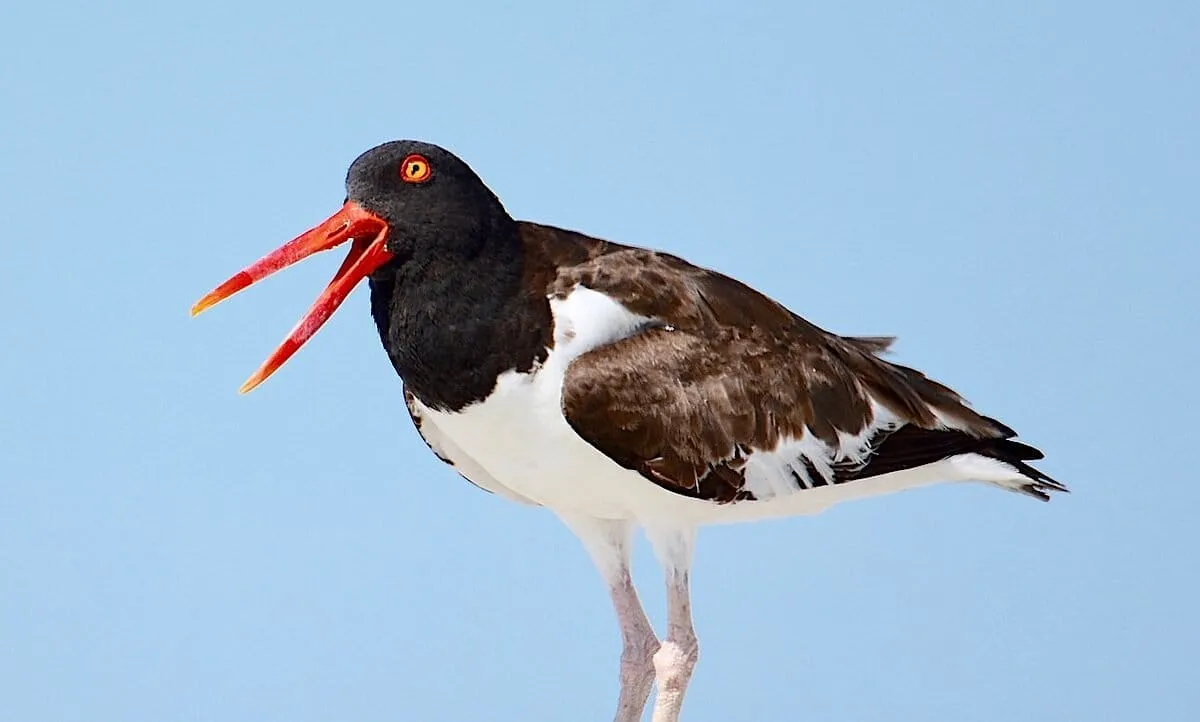
Turns out, if you want a healthy planet, you should probably start with the feathered residents. That's the surprisingly delightful takeaway from Scott Weidensaul's new book, The Return of the Oystercatcher: Saving Birds to Save the Planet.
Forget the doom and gloom for a minute. Weidensaul spotlights the wins, the success stories where scientists, conservationists, and even Indigenous communities rolled up their sleeves and actually brought species back from the brink. It's almost enough to make you think we know what we're doing.
The book kicks off with the American oystercatcher, a shorebird that was heading south in the population charts for decades. But thanks to some very dedicated human intervention, they're back. Apparently, some comebacks are worth cheering for.
We're a new kind of news feed.
Regular news is designed to drain you. We're a non-profit built to restore you. Every story we publish is scored for impact, progress, and hope.
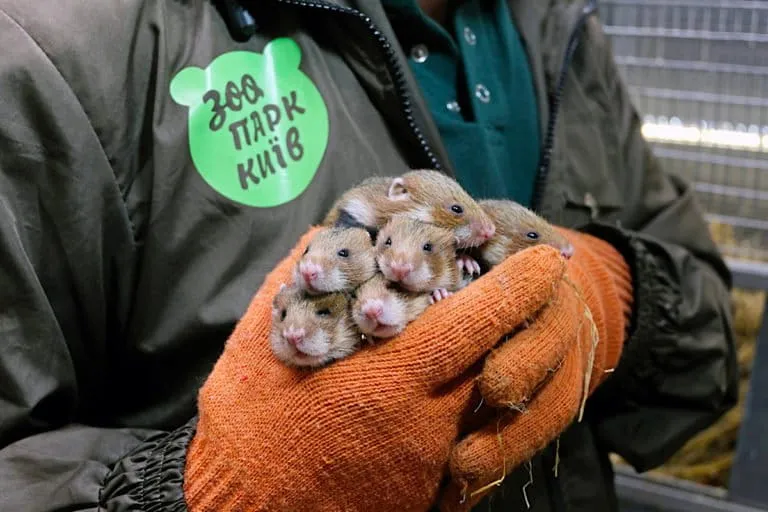
Start Your News DetoxWeidensaul doesn't just stick to one success story. He globetrots, from the U.S. East Coast to Europe, gathering hopeful tales. He finds good news in Massachusetts, and even in Ukraine, which, given current events, makes those conservation wins feel even more poignant.
Why Birds Are Our Unsung Planetary Heroes
Birds are basically Earth's original frequent flyers, found almost everywhere except for the most stubbornly remote corners of Antarctica. Their migrations crisscross continents, connecting ecosystems in ways we're only just beginning to fully appreciate. They're the living threads in the planet's ecological tapestry.
So, when birds are doing well, it's a pretty good indicator that the rest of the world is, too. A healthy world for them means a healthy world for us. And if that's not a compelling reason to keep an eye on our avian neighbors, what is?
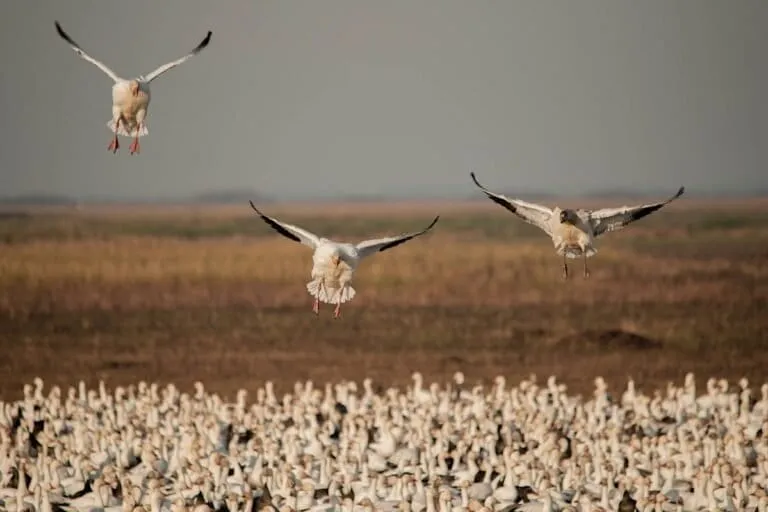
Take snow geese, for example. They're another species that's bounced back thanks to some strategic conservation efforts. Which, if you think about it, is a pretty neat trick for a planet that often seems determined to make things harder for itself.