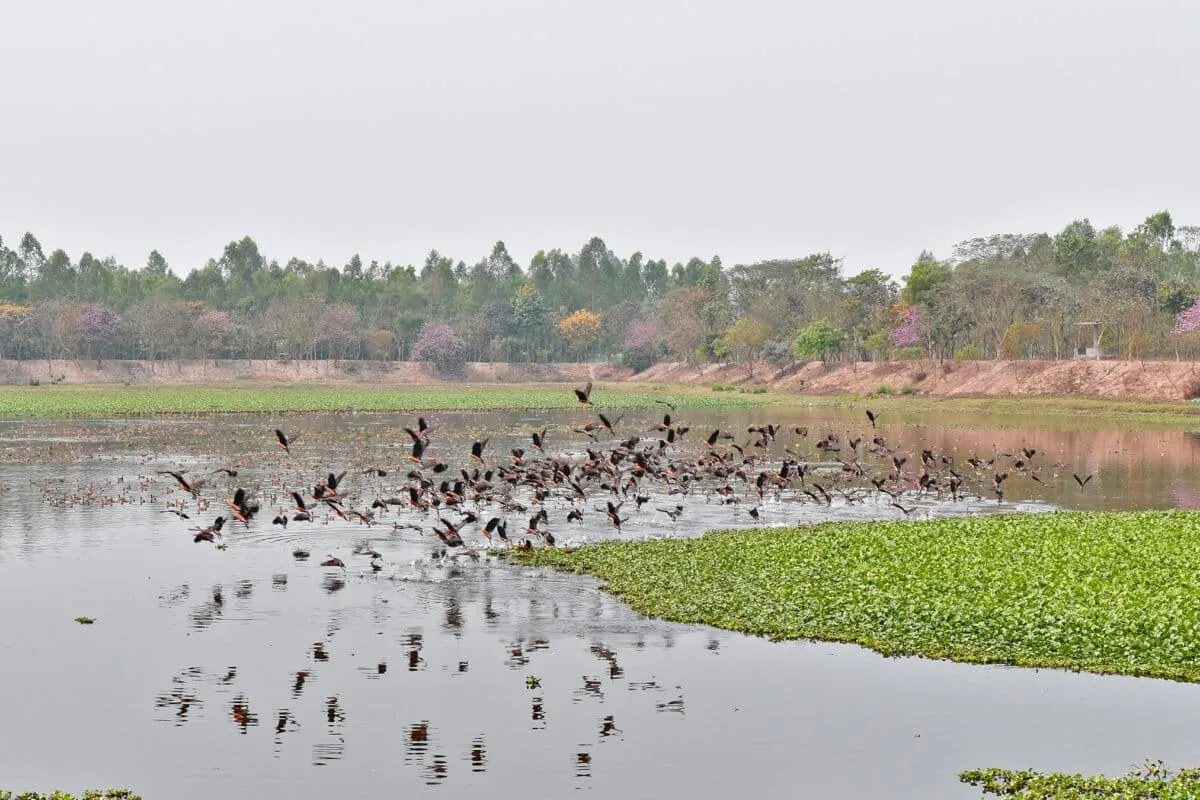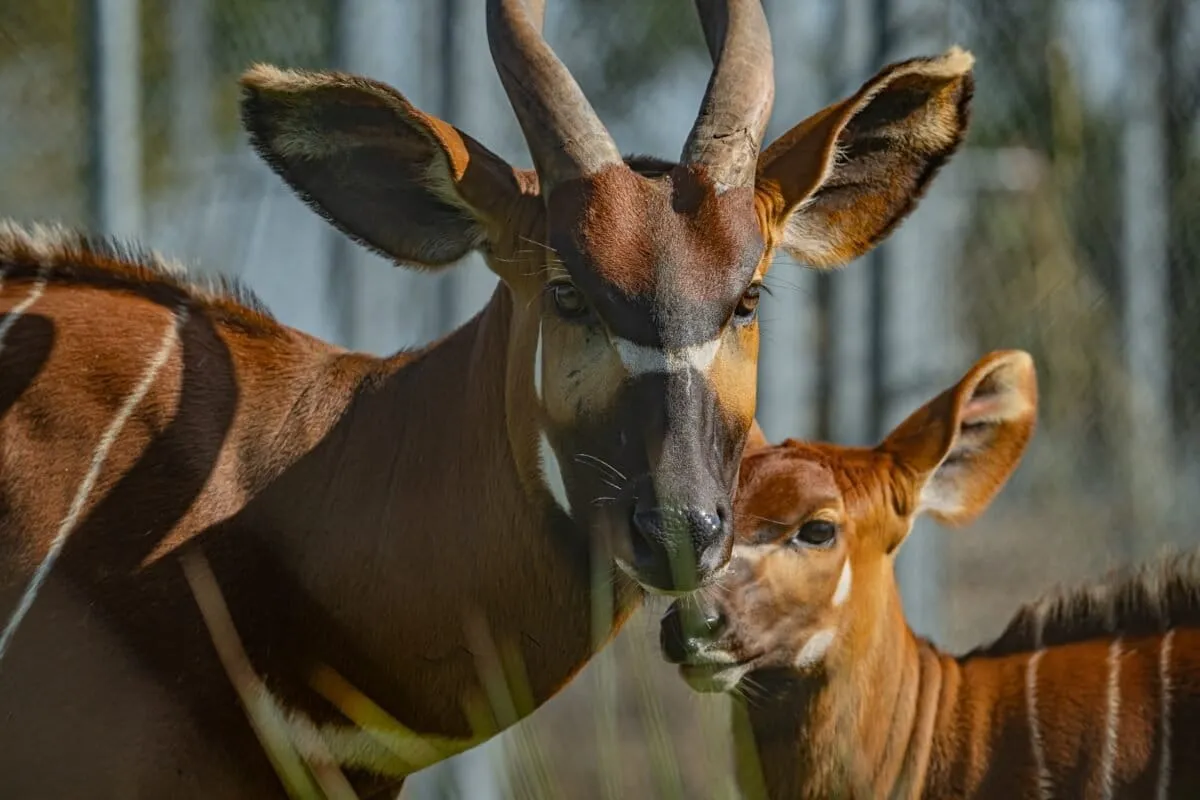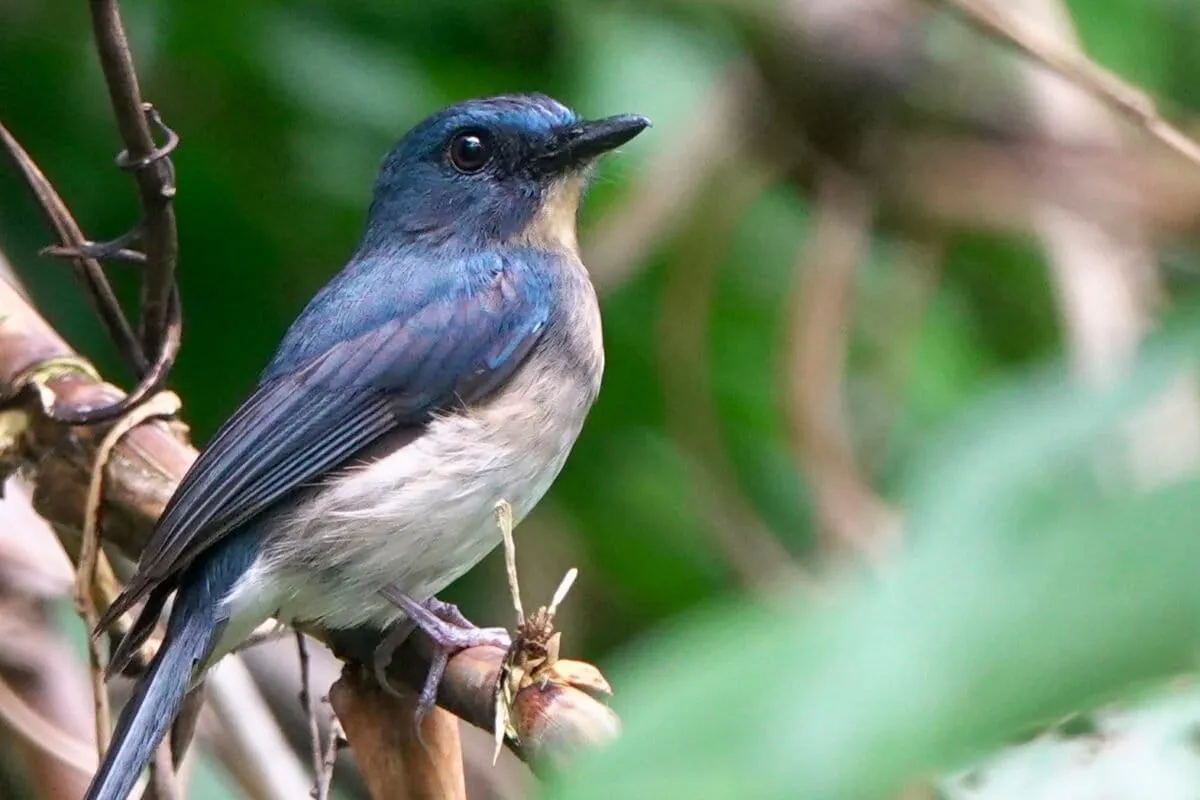
Good news, everyone: five bird species that were officially declared 'missing' for over a decade have just been spotted again. This isn't some blurry photo on a conspiracy forum; this comes straight from the 2026 annual update to the Lost Birds List.
Because apparently, that's where we are now: tracking avian no-shows. The Lost Birds List keeps tabs on species that haven't been seen, heard, or even had their genetic footprint detected for at least 10 years. Think of it as a very exclusive, very sad, avian attendance sheet.

And these five aren't the only ones making a comeback. Earlier this year, a bird missing for a staggering 94 years decided to pop up in Chad. Let that satisfying number sink in. These recent rediscoveries have trimmed the overall 'lost' bird count from 163 down to a slightly less anxiety-inducing 120 since the list's inception in 2022.
We're a new kind of news feed.
Regular news is designed to drain you. We're a non-profit built to restore you. Every story we publish is scored for impact, progress, and hope.
Start Your News DetoxThe Avian Cold Case Files
The Lost Birds List is managed by the Search for Lost Birds project, a collaboration between the American Bird Conservancy, Re:wild, and BirdLife International. They're basically the cold case detectives of the ornithological world. Though, not all news is chirpy; six more species that haven't been seen since 2016 will be added to the list next year. It's a revolving door, but at least some are finding their way back inside.
John Mittermeier, who directs the project, calls the list an "early warning system." Which, if you think about it, is both impressive and slightly terrifying. It's designed to catch species falling through the cracks before they hit the dreaded IUCN Red List, which focuses on extinction risk. The idea is to intervene when there's still a chance, not just to write a eulogy.
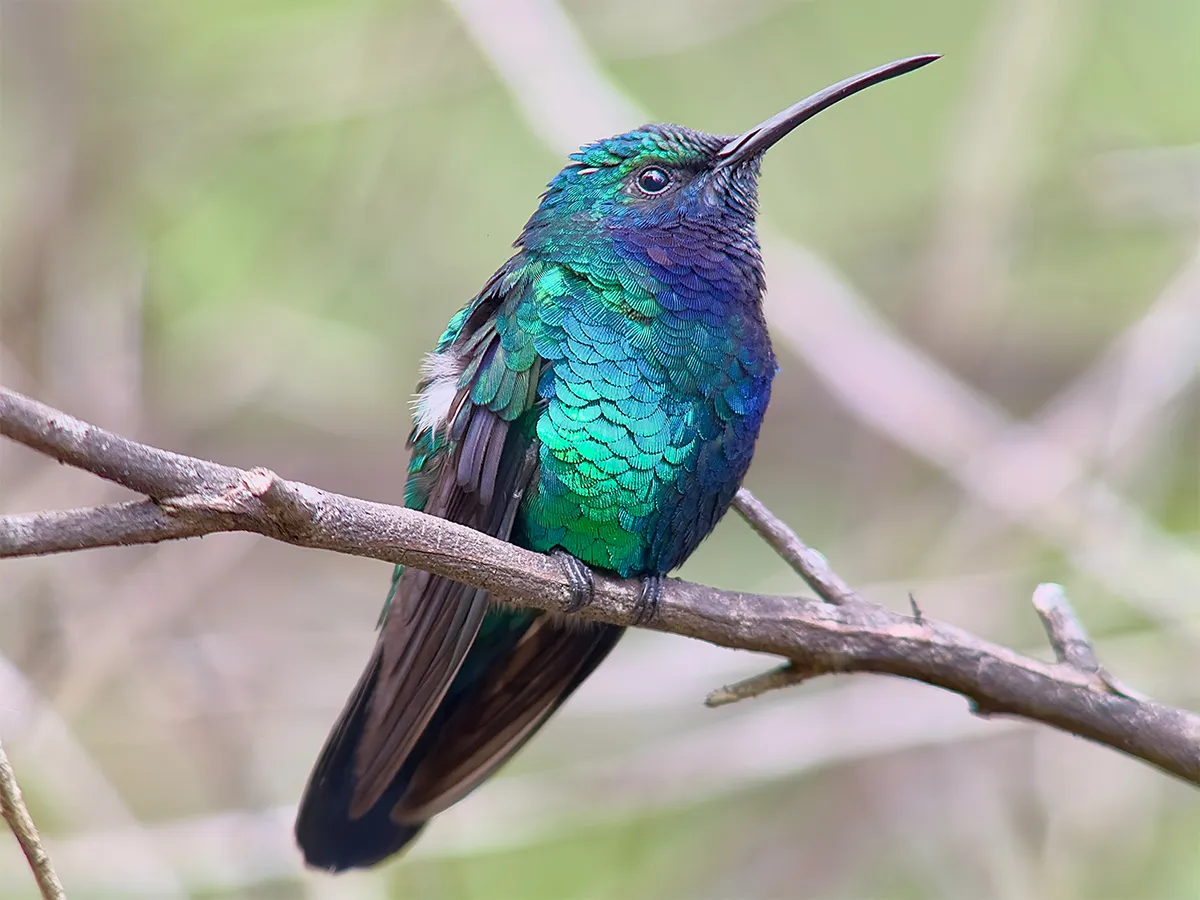
Mittermeier's team scours public birding platforms like eBird, iNaturalist, and Xeno-Canto every year. Because even in the high-stakes world of species conservation, sometimes a casual birdwatcher's Instagram post can make all the difference. Imagine being the person who just casually spotted a bird that hasn't been seen in nearly a century. Now that's a dinner party story.