A.K.M. Fazlul Haque, a senior deputy-assistant engineer with the kind of job title that sounds like it involves a lot of very specific paperwork, just got some excellent news. Two wetlands he’d poured years into saving, Bharardaho Beel and Patuakamri Beel, were officially designated Special Biodiversity Conservation Areas. His quote? "Our years-long conservation efforts have paid off." Which, if you consider what he went through, is a masterclass in understatement.
In Bangladesh, a "beel" is essentially a natural rain-collecting basin. Think of it as a giant, crucial puddle. Fazlul works for the Barind Multipurpose Development Authority (BMDA), a government agency tasked with restoring water sources. And restore them he did. In 2021 and 2023, he spearheaded the excavation of these two beels, which had quite literally almost vanished, swallowed up by silt and turned into unwitting crop fields.
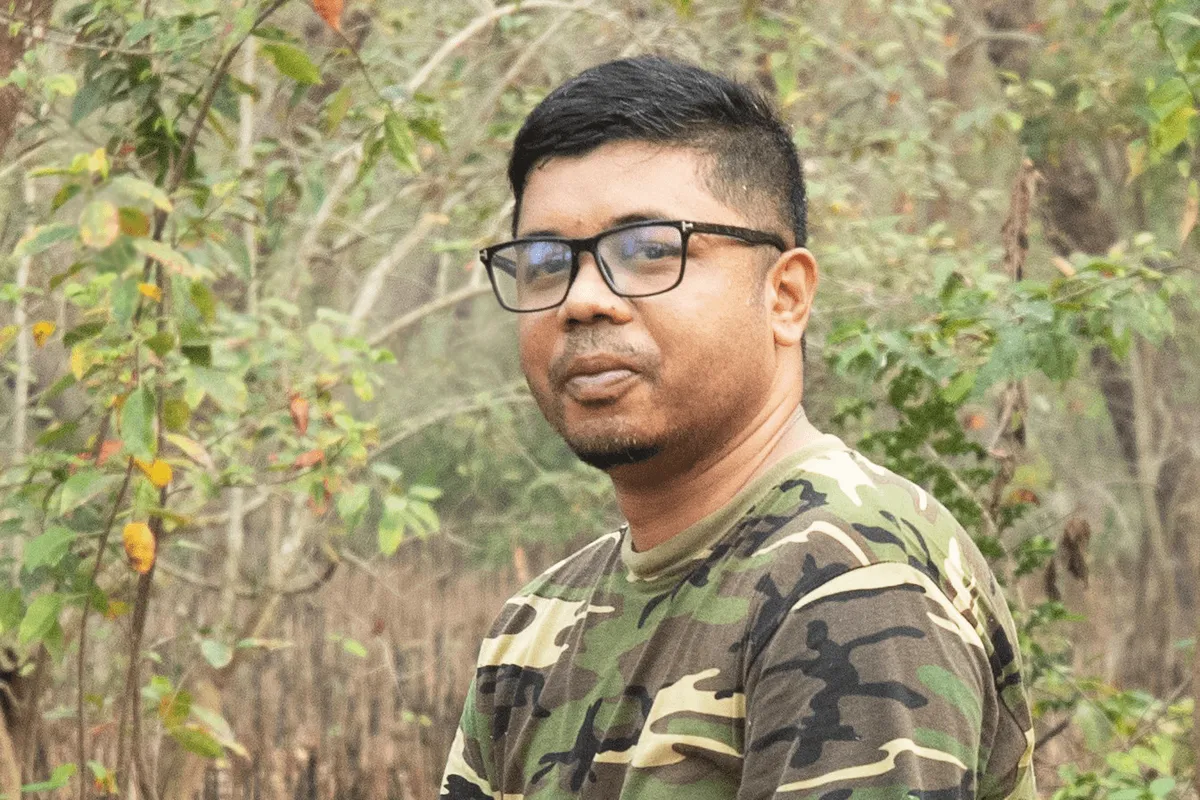
First up was Bharardaho Beel, a respectable 4.7 hectares (about 11.6 acres). After the serious digging, they lined its edges with rare local trees, because apparently, you can’t just bring a wetland back; you have to make it nice.
We're a new kind of news feed.
Regular news is designed to drain you. We're a non-profit built to restore you. Every story we publish is scored for impact, progress, and hope.
Start Your News DetoxThe real drama, however, unfolded at Patuakamri Beel. When Fazlul and his team arrived to reclaim the 4.5-hectare (11.3-acre) area, they were met by folks who had decided this particular wetland was their personal property. Things escalated. Fazlul was attacked, and his camera, presumably documenting the restoration effort, was broken. Because apparently, saving the environment sometimes involves fending off angry locals.
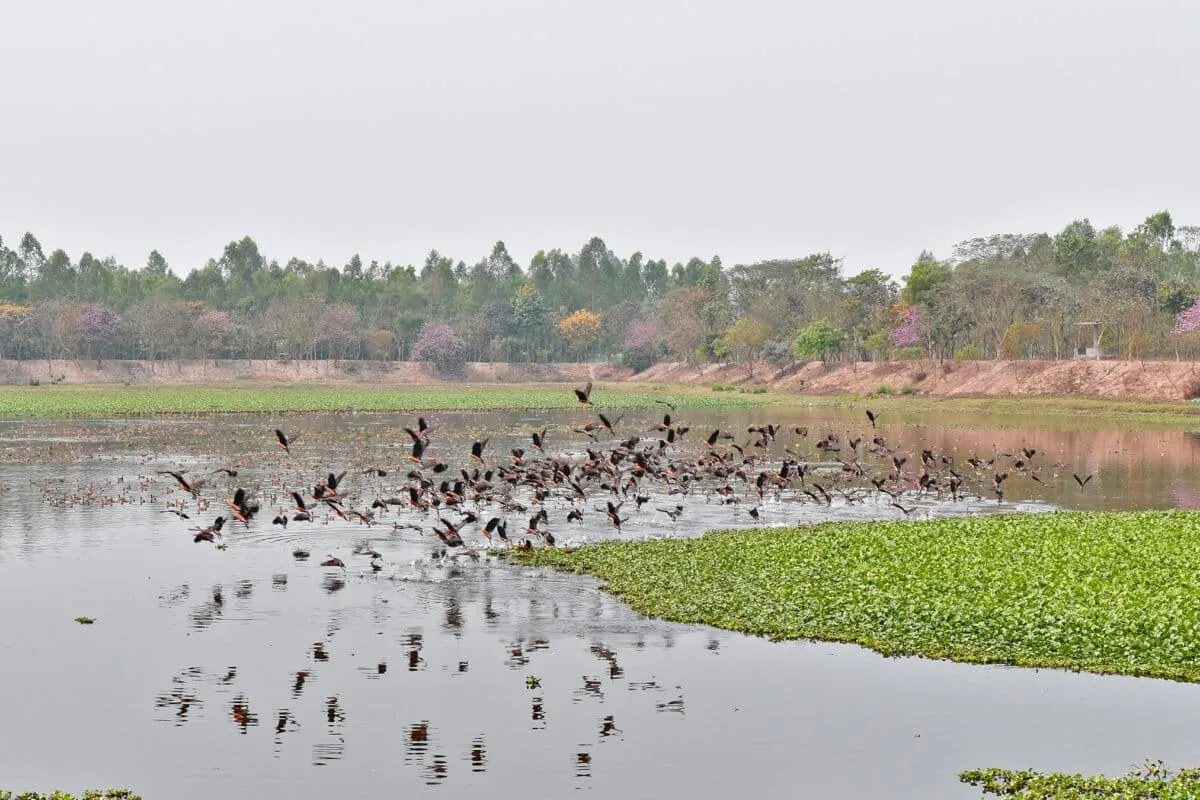
Despite the unfortunate incident, the BMDA team prevailed. Today, both beels are thriving. They’re now bustling hubs for water birds, including some impressive migratory types, and support a whole host of other wildlife year-round. It’s a comeback story, but with more mud and less triumphant music.
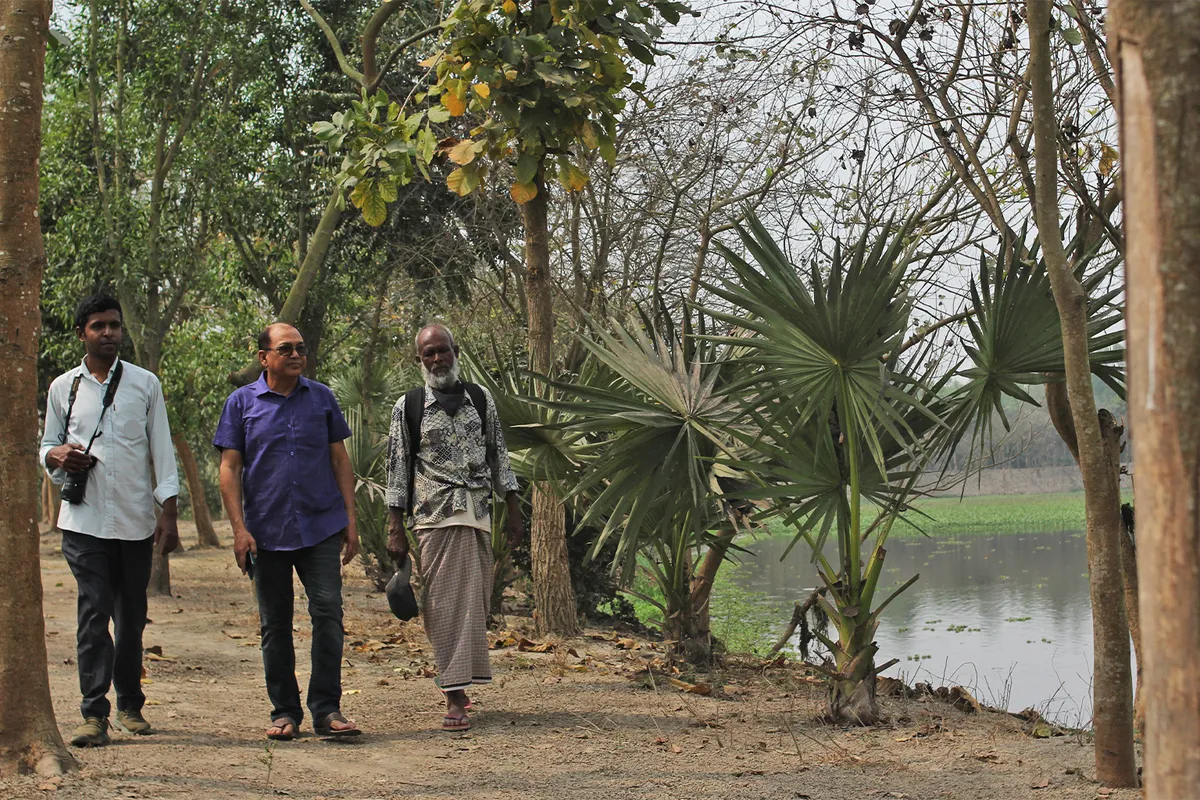
And why does all this matter? Northern Bangladesh is a region increasingly prone to drought, and its wetlands have been disappearing faster than a free sample table. Research from November 2022 revealed that the northwest region alone lost over 57% of its wetlands between 1989 and 2020. So, Fazlul’s efforts aren’t just bringing back a couple of ponds; they're creating vital oases in a drying landscape, one heroic, camera-sacrificing excavation at a time.