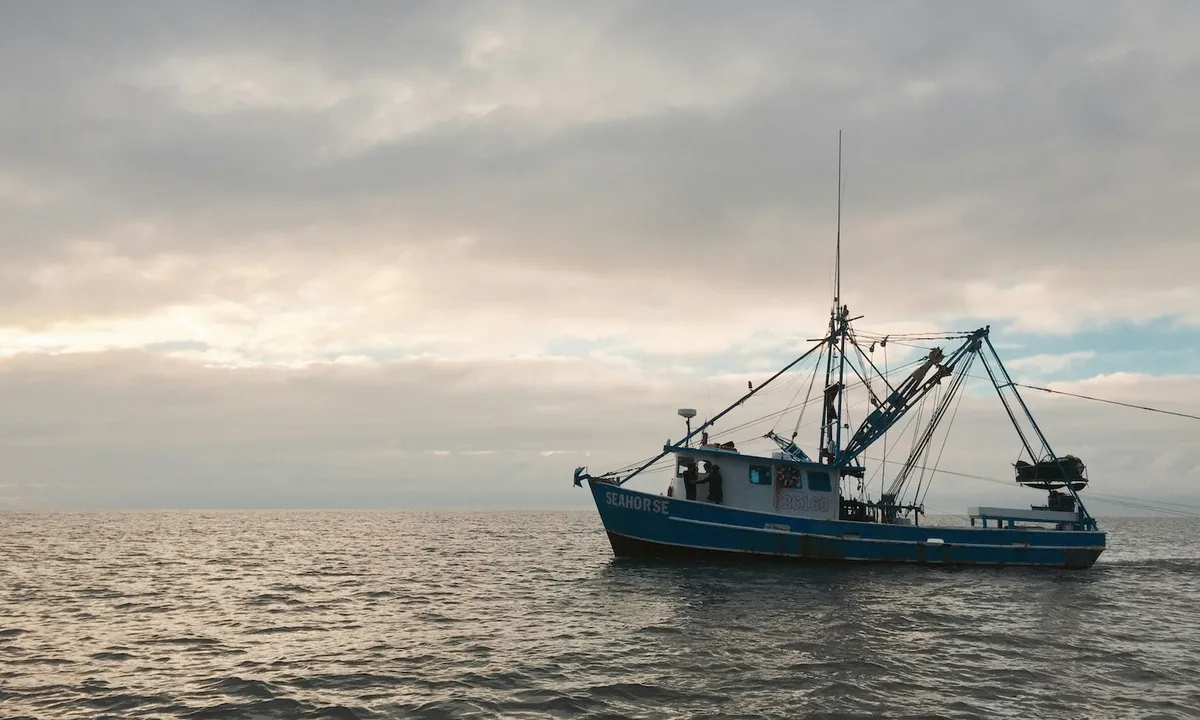
For decades, the relationship between fishers and environmentalists was about as warm as a January dip in the North Atlantic. One side blamed the other for collapsing fish stocks; the other felt blamed for merely trying to make a living. It was a classic standoff, with the ocean caught in the middle.
But what if these sworn adversaries actually teamed up? And what if the solution wasn't some radical new tech, but a surprisingly simple economic tweak?

Enter "catch shares," a system detailed in Sea Change: Unlikely Allies and a Success Story of Oceanic Proportions by Amanda Leland and James Workman. It's essentially a radical rethinking of how we manage fishing, and it's proving wildly successful.
We're a new kind of news feed.
Regular news is designed to drain you. We're a non-profit built to restore you. Every story we publish is scored for impact, progress, and hope.
Start Your News DetoxThe Fishy Math That Works
Here’s the deal: instead of a frantic, every-boat-for-itself dash to catch as much as possible during a short season (which, predictably, leads to overfishing), catch shares allocate a specific amount of fish to individuals or groups. Think of it like a fishing allowance. This means fishers can work year-round, plan their hauls, and — here's the kicker — they're rewarded when fish populations grow.
More fish in the sea means a bigger allowance down the line, which means more income. As Amanda Leland, Executive Director of the Environmental Defense Fund, puts it, it's a "built-in incentive program." Because apparently, a little financial motivation can do wonders for marine biology.

Initially, not everyone was on board. Take Keith "Buddy" Guindon, a main character in the book. He'd seen Texas fisheries crumble and figured more rules would just be another nail in the coffin for coastal towns. He wasn't wrong to be skeptical; fishers were, as Leland notes, "stuck in a broken system."
But then researchers started a catch shares program for red snapper. Guindon watched, probably with a raised eyebrow, as fish populations rebounded. His fellow fishers caught more, spent less time and fuel doing it, and suddenly, the industry he'd told his kids to avoid looked like it had a future.
Guindon went from skeptic to evangelist, pushing for catch shares to expand to other species and regions. It turns out, when you give people a stake in the long-term health of a resource, they tend to take care of it. Which, if you think about it, is both impressive and slightly terrifying that it took us this long.
While the oceans still face plenty of challenges, stories like Guindon's community are a welcome reminder that sometimes, the most effective solutions come from unlikely alliances and a dash of common sense. Now, if only they could figure out how to apply this to traffic.