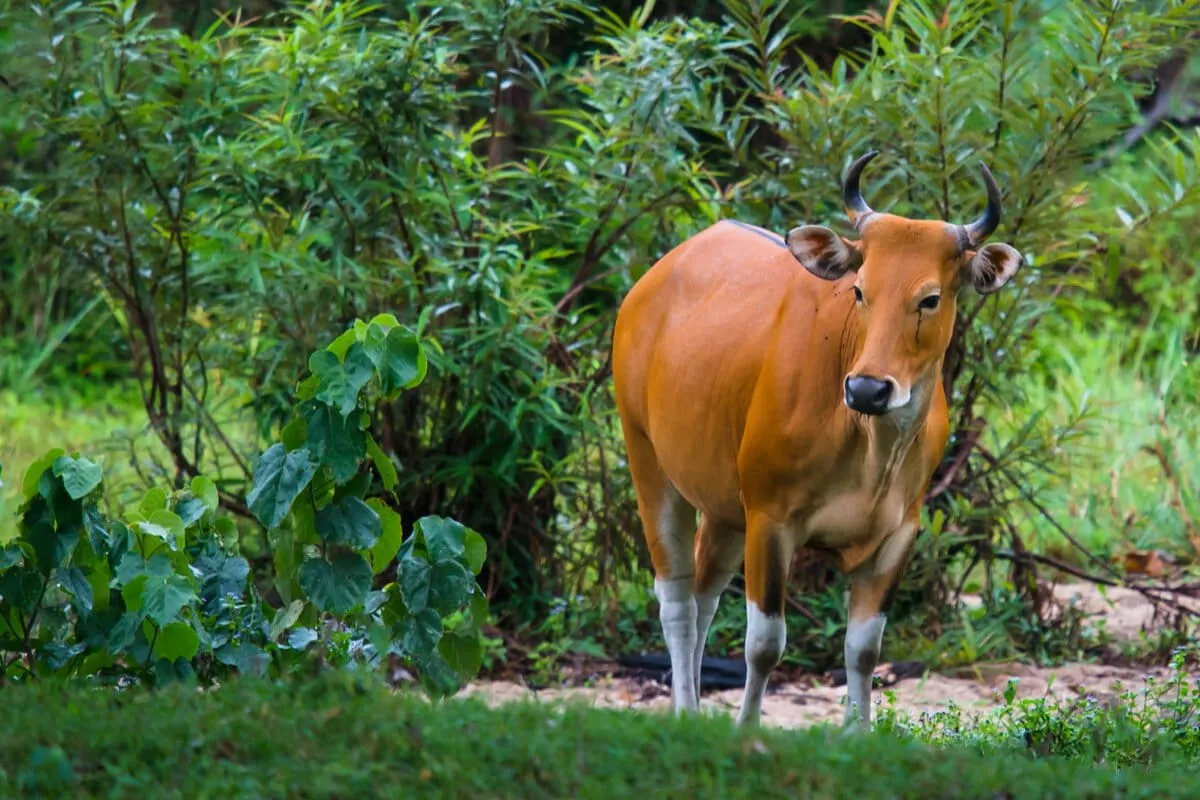
Five years ago, if you wanted to spot a banteng — a magnificent, russet-colored wild cattle species — near Thailand's Huai Kha Khaeng Wildlife Sanctuary, you'd better pack for a deep forest trek. Today? You can just grab a coffee and head to the viewing platform. Because apparently, that's where we are now.
Boonlert Tianchang, a local ecotourism operator, points out the scene: a thriving, 8-hectare grassland on the sanctuary's edge. Mothers, calves, and males emerge from the tree line, their vibrant orange bodies a stark contrast to their signature white 'stockings.' He sees them often, and each time, it’s a quiet testament to a conservation effort that's, well, working.

This isn't just a pretty picture; it's an ecological victory. Banteng (Bos javanicus) are the unsung heroes of dry, open forests. As large herbivores, they're basically nature’s landscapers, spreading seeds and cycling nutrients. They keep the understory in check, creating a healthier, more diverse habitat for everyone.
We're a new kind of news feed.
Regular news is designed to drain you. We're a non-profit built to restore you. Every story we publish is scored for impact, progress, and hope.
Start Your News DetoxBut here’s the kicker: the banteng population in this area wasn’t always thriving. For decades, poaching was a significant threat, deeply intertwined with local livelihoods. Now, thanks to a radical shift, many former poachers have become protectors, exchanging their snares for binoculars and guiding tourists.
This transformation didn't happen overnight. It involved intensive community engagement, job creation through ecotourism, and a whole lot of patience. The result? A stunning resurgence of a rare species, making this spot the only place in Thailand where you can reliably see such a vibrant herd.
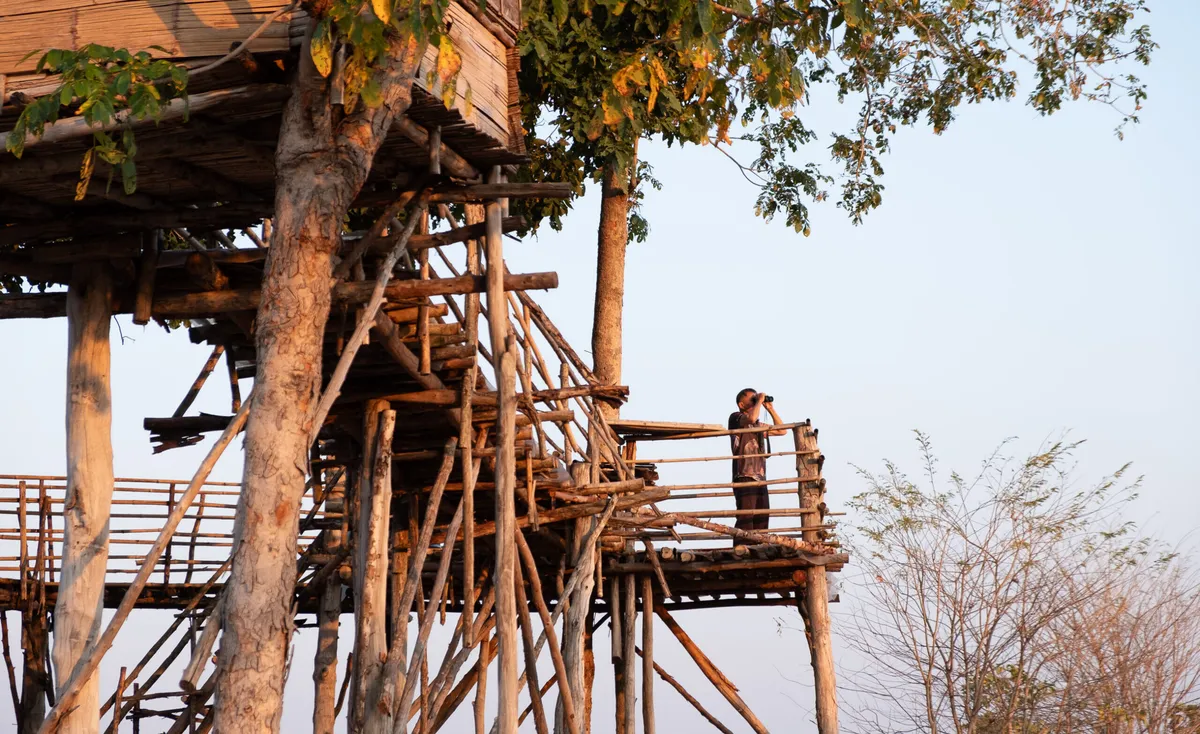
It turns out, giving local communities a stake in conservation — a financial stake — can do wonders. The banteng are back, the forest is healthier, and the former poachers are now tour guides. Which, if you think about it, is a pretty satisfying full-circle moment.