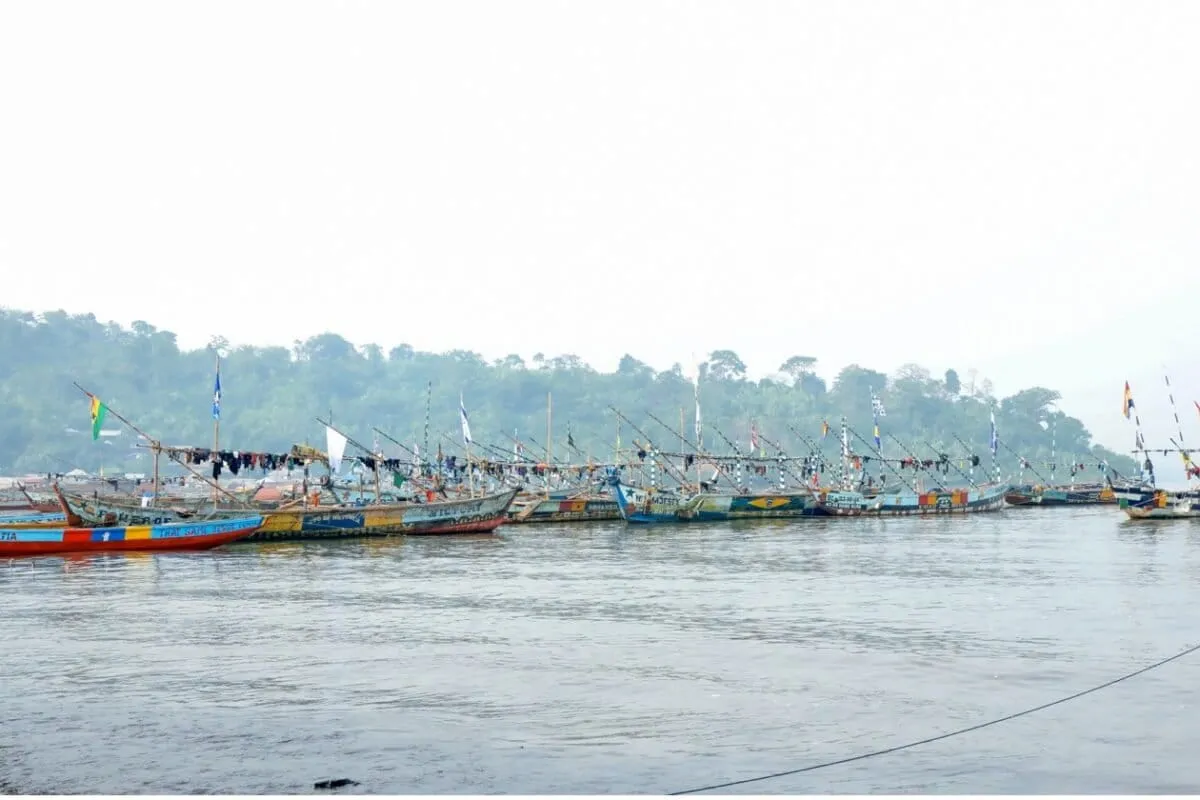
For eight years, Ojah Alfred, a 45-year-old Cameroonian fisher, has been snapping photos of his daily catches. He's one of 80 local fishers who've been quietly uploading data to the Siren app, essentially turning their daily grind into citizen science. Alfred probably never imagined his phone full of fish pictures would lead to a "big book." But here we are.
That "big book" is actually a groundbreaking study, published in Environmental Biology of Fishes, and it's the first comprehensive look at Cameroon's sharks and rays. Think of it as a much-needed ID guide for creatures that have, until now, largely flown under the conservation radar. This information fills a massive data void that's made protecting these crucial marine animals nearly impossible.
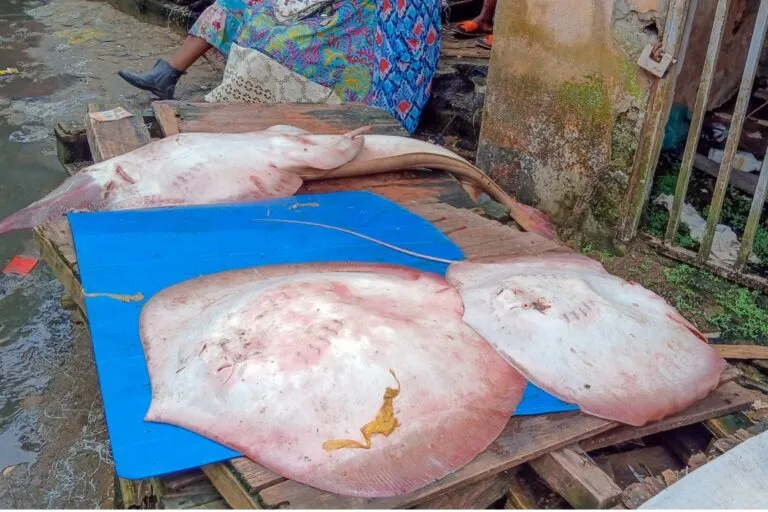
Turns out, a lot of what's being pulled from Cameroon's waters is already teetering on the brink globally. Ghofrane Labyedh, the study's lead researcher, points out that Cameroon doesn't even have specific laws to protect sharks and rays. Which, if you think about it, is a bit like trying to save a library without knowing what books are inside, or if they're all on fire.
We're a new kind of news feed.
Regular news is designed to drain you. We're a non-profit built to restore you. Every story we publish is scored for impact, progress, and hope.
Start Your News DetoxBy combining the fishers' meticulous data with market surveys, the study identified 45 species of sharks and rays in Cameroonian waters. The not-so-great news? A staggering 36 of those are considered threatened by the IUCN. And 13 of those are critically endangered. Let that sink in for a moment. This "big book" isn't just a fascinating read; it's a critical, overdue wake-up call for some of the ocean's most vulnerable residents.