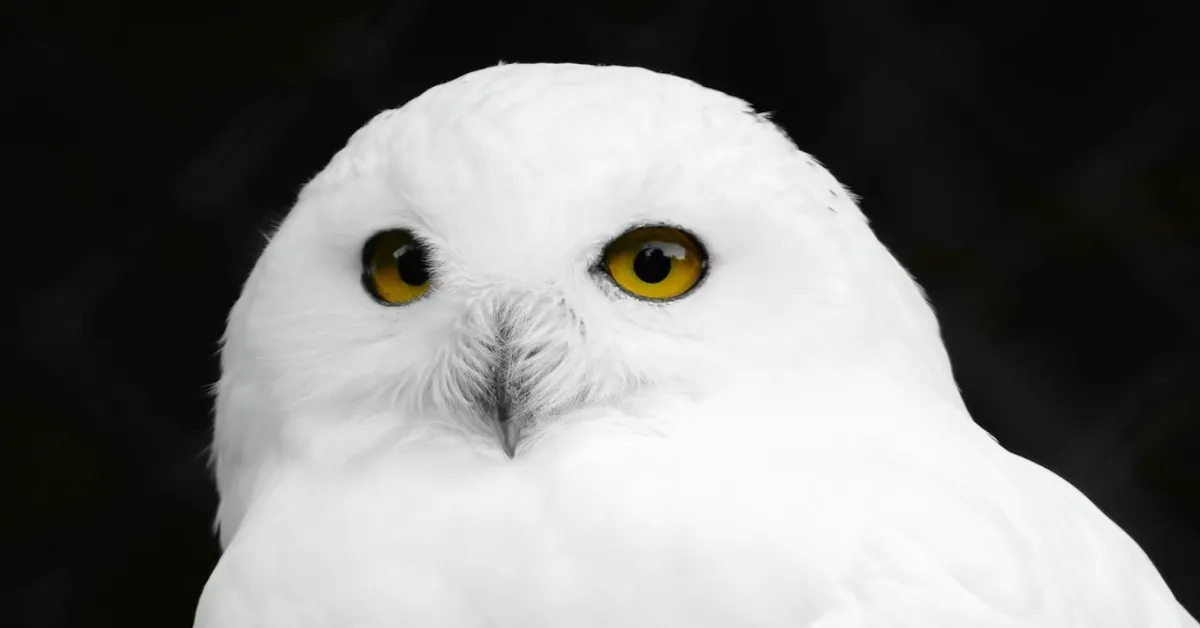
On March 29th, the United Nations decided that 40 more species deserve a bit more respect, adding them to an international treaty designed to keep them from vanishing. This happened at the COP15 summit in Brazil, where representatives from 132 nations and the European Union apparently agreed that losing snowy owls just isn't an option.
Turns out, this wasn't just a feel-good gesture. Amy Fraenkel, the executive secretary of the Convention on the Conservation of Migratory Species of Wild Animals (CMS), pointed out that half the species already under this treaty are in decline. So, while new plans are in place, the message was clear: someone needs to actually do something, and preferably yesterday.
Giving Endangered Species a Leg Up
The agreement tacks these 40 newcomers onto CMS Appendices I or II, which already cover 1,200 other species. Appendix I is for the ones teetering on the brink of extinction. Appendix II is for those that just need everyone to get along and work together.
We're a new kind of news feed.
Regular news is designed to drain you. We're a non-profit built to restore you. Every story we publish is scored for impact, progress, and hope.
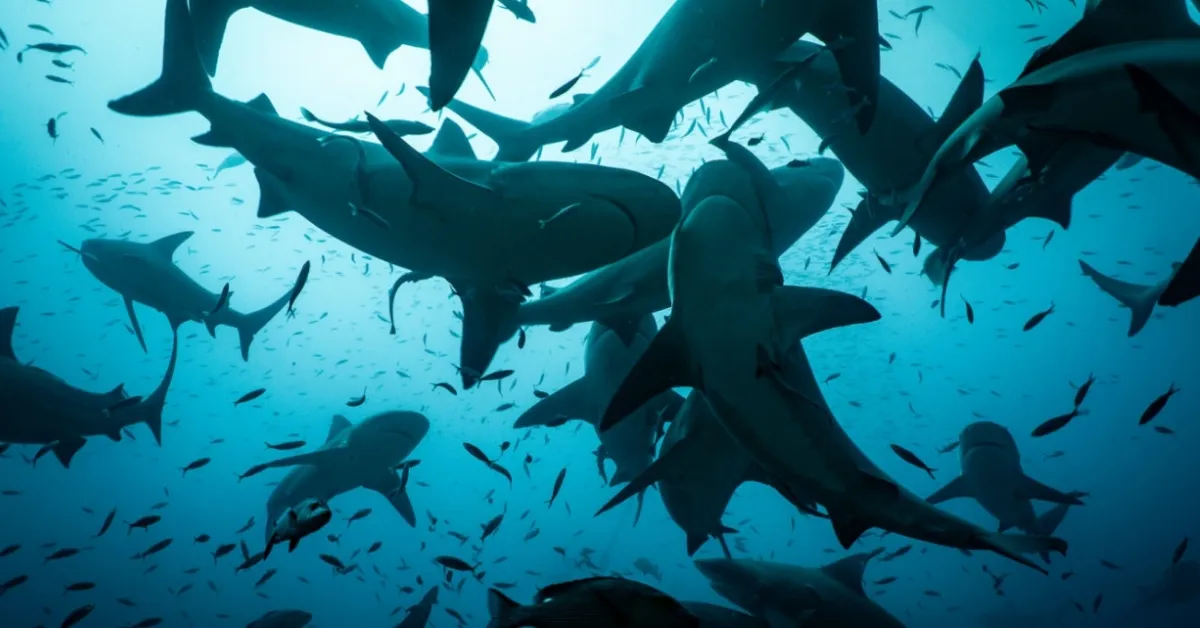
Start Your News DetoxAmong the newly protected: the striped hyena, the giant otter, and, yes, the great hammerhead shark. Fraenkel noted that when the science is clear, nations can act. Now, about that "real-world protection" part – that's the next, slightly trickier, step.
Other notable additions include the flesh-footed shearwater and three types of thresher shark. And while cheetahs were already on the list, the UN specifically highlighted Zimbabwe's population, which, at a mere 150 to 170 individuals, is practically a dinner party.
What These Protections Actually Mean
If a species lands on Appendix I, it means countries where these animals roam are now legally obligated to protect them. This includes a strict ban on hunting or capturing them (with a few, very specific exceptions, because bureaucracy), restoring their habitats, removing migration barriers, and generally stopping doing things that make life harder for them.
Appendix II is more about teamwork. It ropes countries into setting shared goals, creating joint action plans, and sharing research. Because, as officials noted, migratory species aren't exactly known for respecting national borders.
João Paulo Capobianco, the Chair of COP15, put it rather eloquently: protecting these species is an investment in our shared natural heritage, a demonstration of global solidarity. It’s a reminder that these animals connect our planet, zipping across nations and generations, and that our ecological health depends on these continuous, uninterrupted flows. The United States, for the record, skipped the summit. But, you know, global effort and all that.