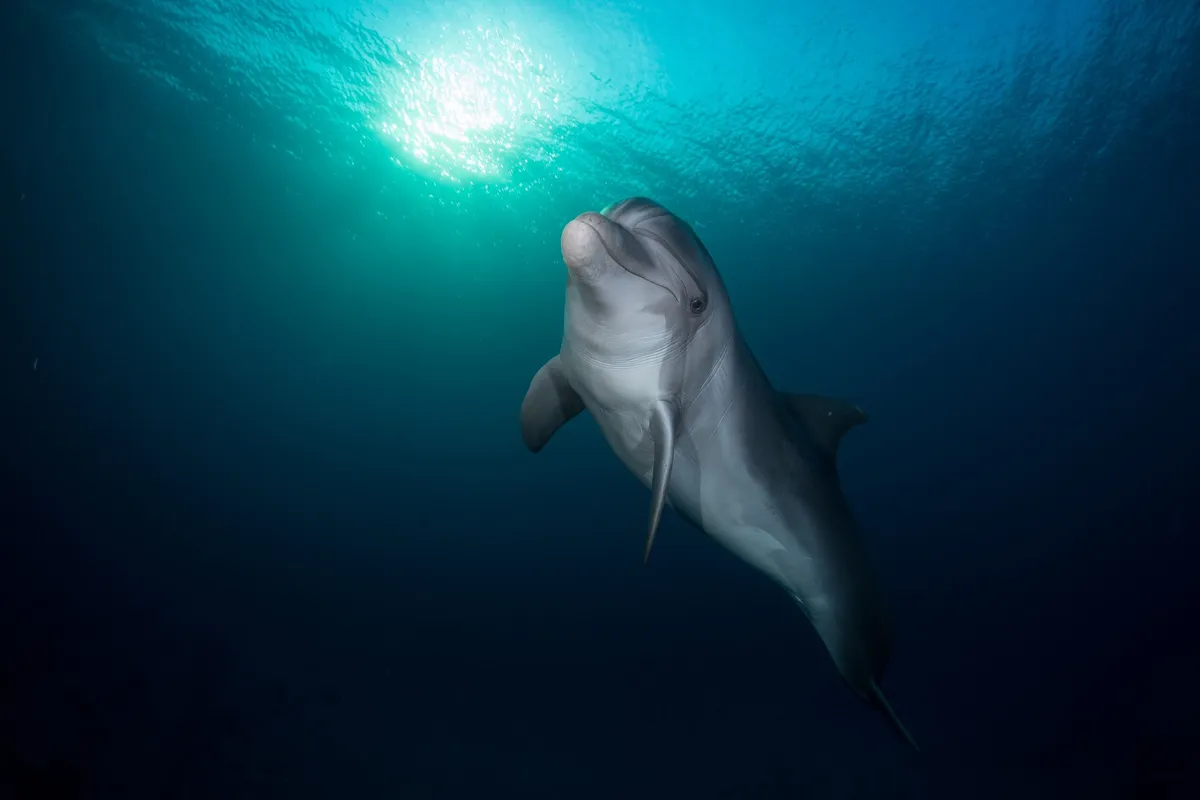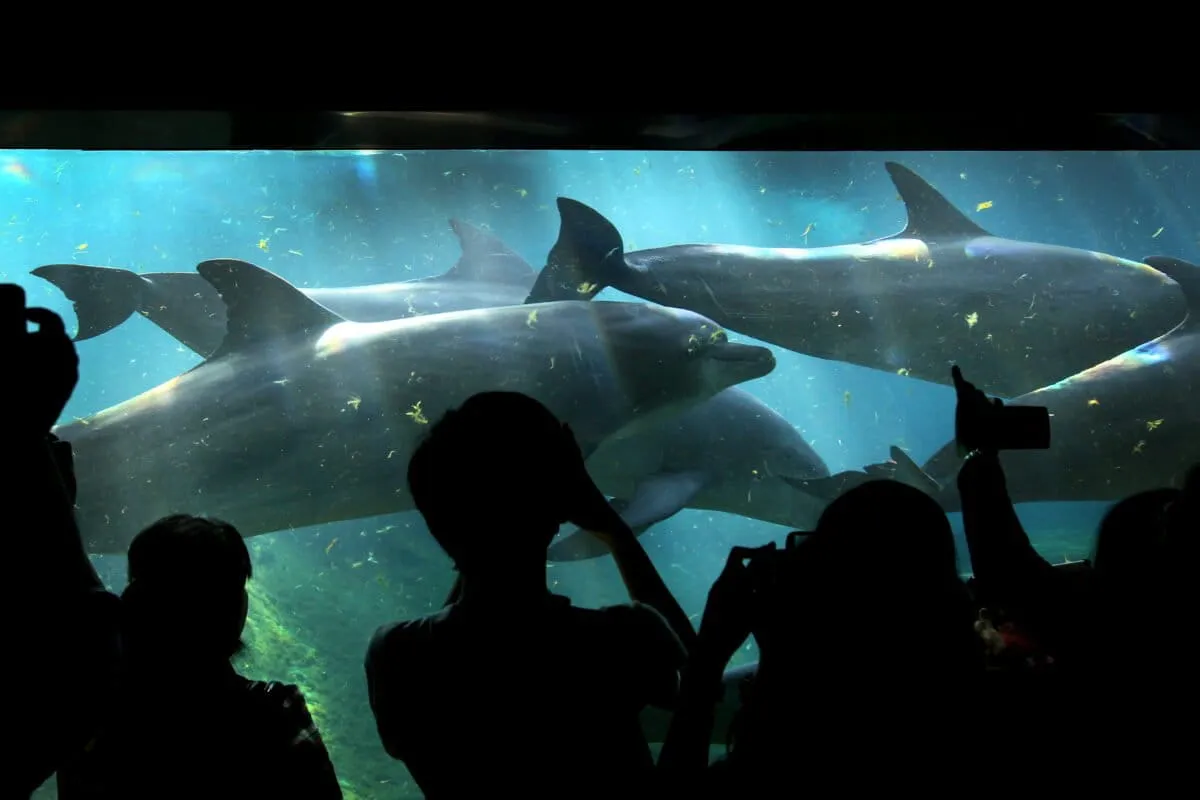
Well, this is a plot twist for the Indo-Pacific bottlenose set: Resorts World Sentosa (RWS) in Singapore, home to a rather famous Oceanarium, has reportedly decided to stop sourcing wild dolphins and, perhaps even more surprisingly, paused its dolphin breeding program. Because apparently, even megareports occasionally have a quiet change of heart.
The resort hasn't exactly put out a press release with confetti, opting for a stony silence when asked for comment. But sources close to the facility suggest a panel of experts is now being assembled. Their mission? To figure out what exactly to do with the two dozen-plus dolphins who've called the Oceanarium home since 2013.
Mongabay, playing detective, made multiple visits and while they couldn't get an exact headcount, trainers confirmed the big news: no new dolphins are being caught, and no new baby flippers are being planned. The last one to make a splash was Kenzo, a seven-year-old male. Let that satisfying number sink in.
We're a new kind of news feed.
Regular news is designed to drain you. We're a non-profit built to restore you. Every story we publish is scored for impact, progress, and hope.
Start Your News DetoxThis quiet pivot in Singapore isn't happening in a vacuum. It mirrors a growing global discomfort with keeping these highly intelligent, socially complex creatures in what are, let's be honest, glorified swimming pools. Mexico just banned keeping dolphins and whales for entertainment, effective June 2025. Canada, France, India, and the UK are already on the 'no thanks' list. Even Taiwan is phasing out dolphin performances.
Of course, not everyone's on board. China and Japan are still very much in the 'more aquariums, more dolphins' camp, seeing them as prime tourist bait. But for the 27 Indo-Pacific bottlenose dolphins RWS initially acquired from the Solomon Islands back in 2008 and 2009, this could mean a very different future. Which, if you think about it, is both impressive and slightly terrifying.