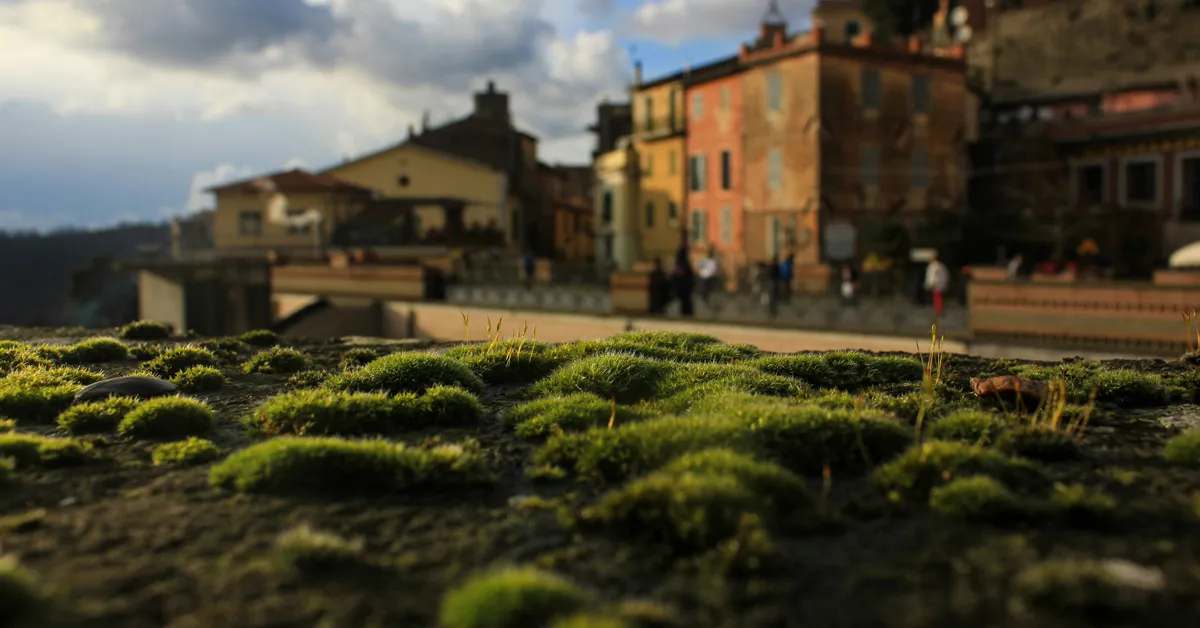
For years, European roadsides have been pretty much one thing: grass. Neat, tidy, utterly unremarkable grass. But a quiet revolution is underway, and it involves a plant so unassuming, it practically whispers. We're talking about moss. And it turns out, this tiny green carpet might just be a superhero in disguise, ready to tackle pollution and flooding.
Turns out, while grass is just... there, moss is busy absorbing a surprising amount of gunk from the air. We're talking heavy metals and all sorts of particulate matter that traffic spits out. Scientists have actually been using moss as a living pollution detector for decades, watching it change color from healthy green to a rather sad brownish in highly polluted areas. Which, if you think about it, is both impressive and slightly terrifying.
Now, instead of just monitoring the problem, cities are wondering if moss can be the solution. Imagine thousands of miles of roadside verges, not just looking pretty, but actively scrubbing the air we breathe. It's a low-maintenance dream, too. Moss grows slowly, stays low, and needs way less mowing than grass. Less mowing means less money, less labor, and fewer fumes from lawnmowers. It's a win-win-win.
We're a new kind of news feed.
Regular news is designed to drain you. We're a non-profit built to restore you. Every story we publish is scored for impact, progress, and hope.
Start Your News DetoxThe Mossy Sponge Effect
But wait, there's more. Moss isn't just an air filter; it's also a tiny, super-efficient sponge. Many species can soak up several times their own weight in water, then release it slowly. This is huge for places like the UK, where dense road networks often sit right next to towns and homes.
During a downpour, fast runoff from roads can overwhelm drainage systems and cause flash flooding. Mossy banks could act like little speed bumps for rainwater, holding it temporarily and easing the burden on our infrastructure. It's like giving nature a helpful little assist in managing our concrete jungles.
Of course, moss isn't a silver bullet. It grows slowly, so establishing a dense cover takes time. Road salt in winter is a no-go for many species, and long dry spells aren't its favorite. Also, those pollutants it absorbs? They stay in the moss, meaning eventually, someone might have to monitor or even remove it. And it definitely prefers the shady, damp spots over sunny, exposed slopes.
Still, our road networks cover vast areas. Instead of just managing these strips of land to be "short and tidy," we could be designing them to actively improve our environment. Moss won't solve climate change overnight, but ecological upgrades along thousands of kilometers of roads? That's a significant step. Sometimes, the quietest players make the biggest difference.