

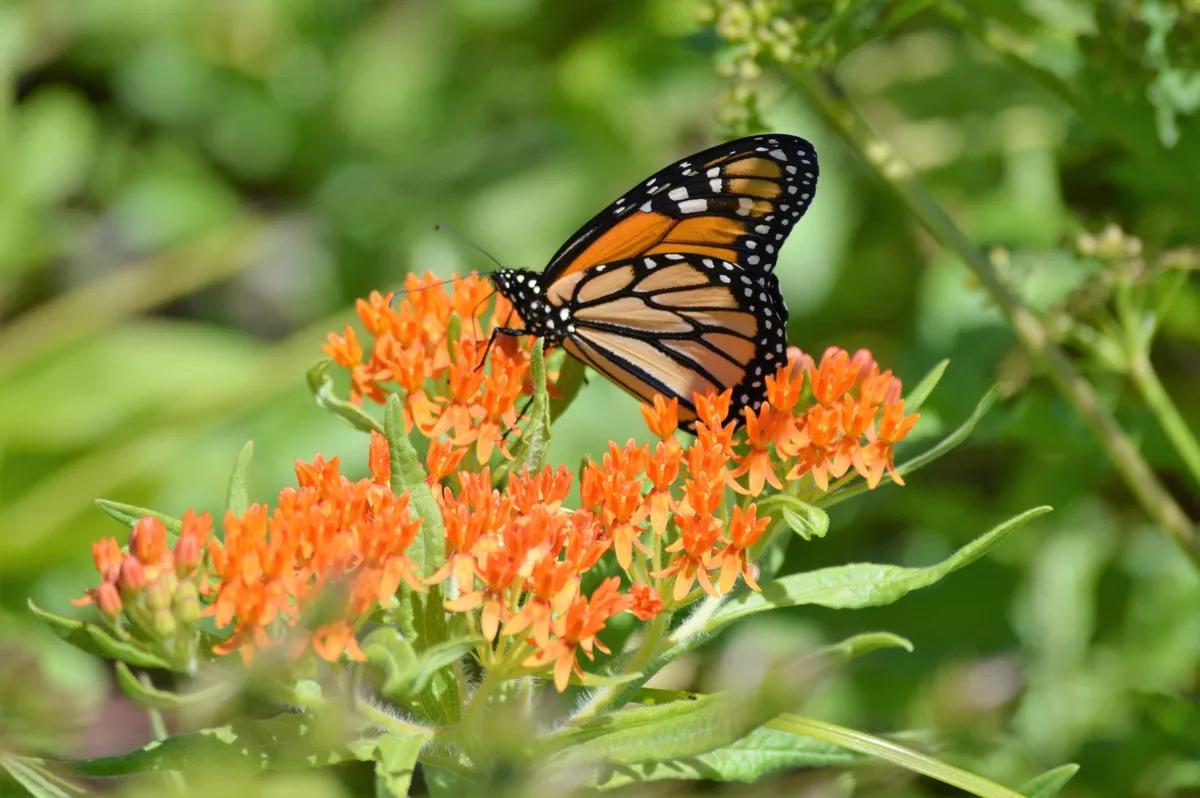
Every fall, tens of millions of monarch butterflies make a journey so epic it makes your holiday travel look like a trip to the fridge. They fly almost 3,000 miles, from Canada, through the U.S., all the way to the forests of western Mexico. There, they cling to trees, turning entire groves into a shimmering, living orange blanket.
This past winter, that blanket got a whole lot bigger.
New figures from WWF Mexico reveal the monarchs occupied 7.24 acres (2.93 hectares) of forest, a hefty 64% jump from the previous winter. That’s the most extensive coverage since 2018, and a welcome sign that conservation efforts might just be turning the tide for these iconic insects.
"The monarch butterfly symbolizes the relationship between Mexico, the United States, and Canada," said Alicia Bárcena Ibarra, Mexico’s environment minister. "Its conservation is a shared commitment we must keep for the future." A commitment that, for years, looked like it was losing.
We're a new kind of news feed.
Regular news is designed to drain you. We're a non-profit built to restore you. Every story we publish is scored for impact, progress, and hope.
Start Your News DetoxThe Forest Fight That Paid Off
The good news largely hinges on the forests themselves. For decades, illegal logging in the monarch's crucial Mexican habitat was a relentless threat. Organized crime, often tied to the avocado trade, led to deforestation and, sometimes, violence. Remember Homero Gómez González, the monarch conservator found dead in 2020? His family believes he was killed by groups wanting to clear butterfly habitat. It was, to put it mildly, a bad scene.
But here’s the unexpected twist: conservation efforts have actually worked. Back in 2003 and 2004, nearly 1,235 acres (500 hectares) of forest were lost to logging. Fast forward to February 2024–2025, and that number plummeted to just 6.3 acres (2.55 hectares).
"One of the biggest successes is that illegal logging in the core zone of the Monarch Butterfly Biosphere Reserve has almost stopped since 2008," confirmed María José Villanueva, WWF Mexico’s director. Which means the trees vital for the monarchs’ winter nap are finally getting some peace.
A Promising Rebound, But Still a Climb
While a 64% increase is a reason to cheer, it's also a stark reminder of how far these butterflies still have to go. In the winter of 1995, monarchs covered almost 45 acres (18.21 hectares) of forest. Scientists say the species needs at least 15 acres (6.07 hectares) to survive long-term. This winter's 7.24 acres is less than half of that survival goal.
The threats extend far beyond Mexico. In the U.S., herbicides like glyphosate and dicamba have decimated milkweed, the only plant monarch caterpillars can eat. This has sent butterfly populations spiraling. The Biden administration even floated listing the monarch as a threatened species, only to delay the decision. Naturally, environmental groups are now suing to force the issue.
"It would be unforgivable for its epic migrations to collapse because of political cowardice on enacting range-wide protections," said Tierra Curry, endangered species co-director at the Center for Biological Diversity. Hard to argue with that.
This winter's numbers are a potent reminder that focused, decades-long conservation can make a difference. Mexico fought organized crime for twenty years, saved its forests, and the monarchs showed up. Now, it’s up to the rest of North America to ensure they have something to eat on their way back home.





