In rural Palestine, olive trees have long supported livelihoods and identity. Now, a growing replanting movement is bringing farmers new hope.
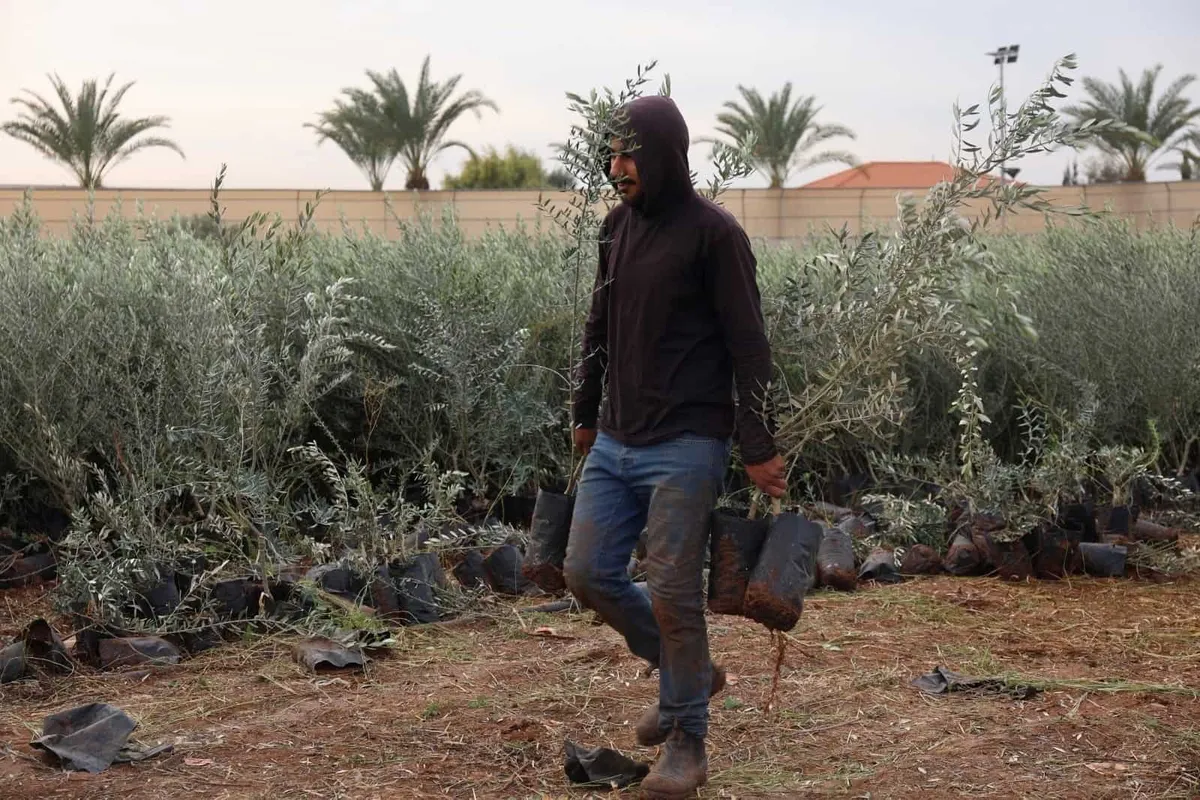
Tens of thousands of olive saplings are taking root in the West Bank. This effort is funded by customers of Zaytoun, a UK-based fair trade company.
Restoring Olive Groves and Livelihoods
Olive trees have been vital to rural Palestine for thousands of years. They have also become a strong symbol of resistance. Since 1967, an estimated one million trees have been uprooted by settlers and Israeli authorities. This happened during the ongoing seizure of West Bank land.
We're a new kind of news feed.
Regular news is designed to drain you. We're a non-profit built to restore you. Every story we publish is scored for impact, progress, and hope.
Start Your News DetoxTaysir Arbasim, Zaytoun’s Palestinian director, explained that this is a "systematic act." It aims to destroy a way of life and force Palestinians from their homes. He estimates about 25,000 families have been driven out of olive farming.
The Palestine Fair Trade Association (PFTA) is the country’s largest fair trade union. Since 2006, it has worked to revive both livelihoods and the landscape. Its ‘Trees for Life’ program replaces lost olive, carob, fig, and almond groves.
The initiative also provides local seeds. It promotes intercropping with fava beans, peas, and clover. These regenerative farming methods improve soil health and boost future olive harvests.
Olive saplings are grown in nurseries. They are given to farmers when they are two or three years old. It can take another five years for them to bear fruit. The trees reach full maturity at 15 years old.
Zaytoun has sponsored over 300,000 trees since 2011. Donations for the 2025-2026 planting season reached over £190,000. This is enough to fund 40,000 saplings.
Planting for Hope and Future Generations
Under local laws, cultivated land is supposed to be protected from confiscation. A PFTA spokesperson noted that agriculture is more than just a livelihood for Palestinians. It is deeply connected to their history, identity, and resistance.
Farming holds deep spiritual and cultural meaning. It acts as a powerful act of defiance against efforts to separate farmers from their land. Through cultivation, Palestinians assert their right to reclaim their lands and sustain their communities.
Arbasim said that planting brings an immediate lift for farmers. It also brings a sense of optimism, even with the long wait for trees to mature. "You can see the happiness in their eyes," he told Positive News. "Olive trees are considered part of the family, so it’s like getting a new family member."
He shared a famous saying: "They planted for us to eat, and we will plant for them to eat." He added, "We are planting for the next generation. We are planting for hope."