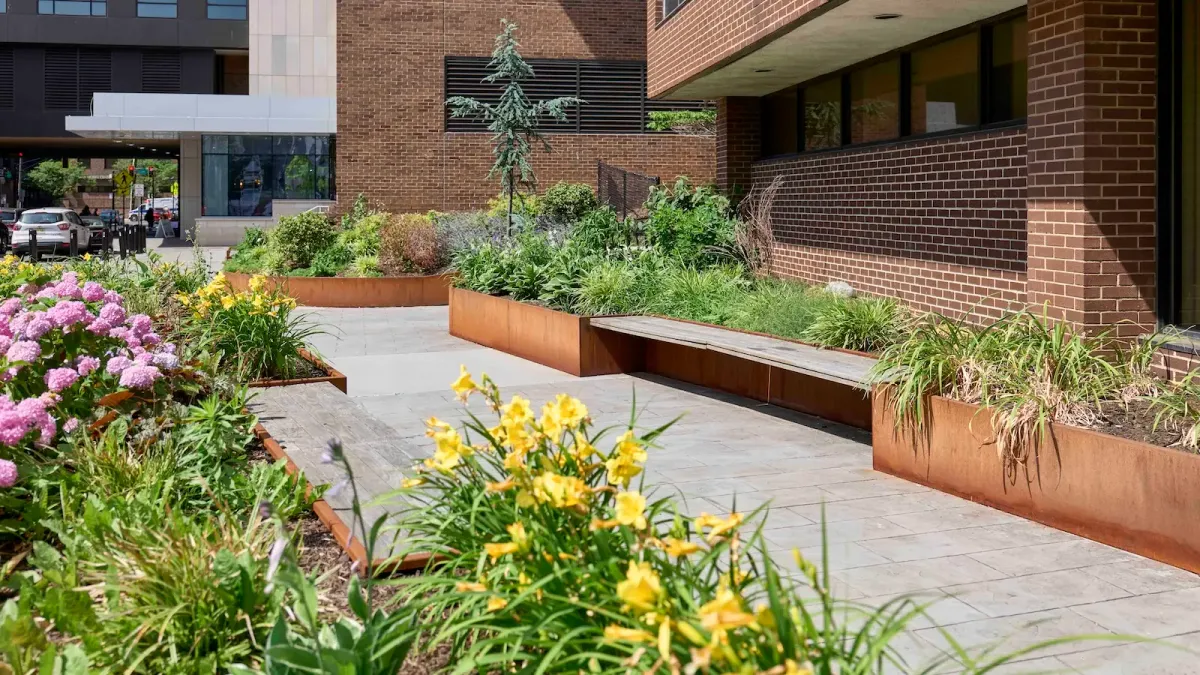
You know those little green patches tucked away in city corners? The ones with a bench and a few plants, maybe a tree? Turns out, these "pocket gardens" are working overtime, quietly fixing a surprising number of urban headaches.
Think of them as nature's multi-tool, but for city planners. They're not just ornamental — though they do brighten things up. They're actively cooling down concrete jungles, cleaning the air, making cities quieter, and even helping with our increasingly overwhelmed sewer systems. Because apparently that's where we are now.
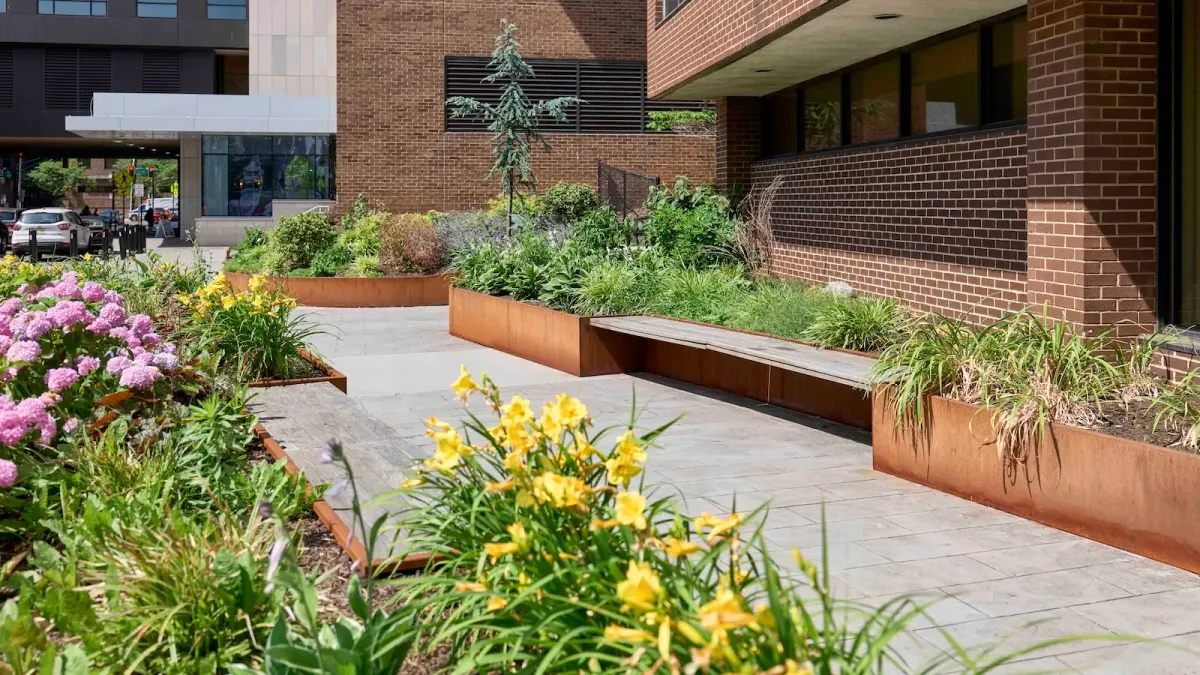
Dan Lambe, CEO of the Arbor Day Foundation, put it simply: even a little green goes a long way. These aren't typically for growing your dinner, though a fruit tree might sneak in. The real power move is native plants. They're the local heroes, perfectly suited to the climate, often drought-tolerant, and they invite all the right pollinator parties — think local insects and birds keeping the ecosystem humming.
We're a new kind of news feed.
Regular news is designed to drain you. We're a non-profit built to restore you. Every story we publish is scored for impact, progress, and hope.
Start Your News DetoxAnd by 'humming,' we mean fertilizing other plants, including any urban crops. Plus, native plants often need less fuss, like not needing constant watering or, even better, not needing to be mowed. Which, if you think about it, is both impressive and slightly terrifying for anyone who's ever battled a lawnmower.
Variety is also key. A diverse mix of trees isn't just pretty; it's a shield against disease. If one species gets sick, the whole garden doesn't go down with it. It's like a botanical insurance policy.

The Unexpected Perks of a Patch of Green
Beyond just looking nice, these tiny oases are actually scrubbing the air clean, pulling out pollutants that make breathing a chore. And that water vapor plants release? It's a natural air conditioner, fighting the dreaded "urban heat island effect" that turns cities into giant ovens. Cleaner air and cooler temps? Good for everyone, especially your lungs.
They also subtly shift the focus from cars to people. Eric Galipo, from architecture firm FCA, notes these spaces encourage walking and gathering, creating those rare opportunities for human connection in a world that often feels designed to keep us isolated.
Then there's the rain. As the planet warms, rainfall is getting more intense, and cities are feeling the pressure. Los Angeles and Pittsburgh, for instance, are tearing up concrete and putting in green spaces. Why? Because these gardens act like giant sponges, soaking up rainwater and easing the strain on ancient sewer systems that just can't handle the deluges anymore. It's infrastructure, but make it leafy.

And for the grand finale: quiet. Barcelona has been experimenting with "superblocks" featuring "green axes" — basically, car-free zones overflowing with plants. A study found that noise levels dropped by 3.1 decibels. That might not sound like much, but a 10-decibel increase is ten times louder. Plus, the type of noise changed. Less engine roar, more human chatter. Samuel Nello-Deakin, a researcher, observed that just seeing green can change how we perceive noise. Green spaces absorb sound, preventing it from ricocheting off every hard surface.
Less noise means less stress, fewer mental health issues, lower blood pressure, and a happier heart. All from a little patch of green. Lambe sums it up perfectly: green spaces bring people out, helping neighbors, generations, and cultures connect. Because, in a world full of disagreements, trees are something almost everyone can get behind. Let that satisfying thought sink in.