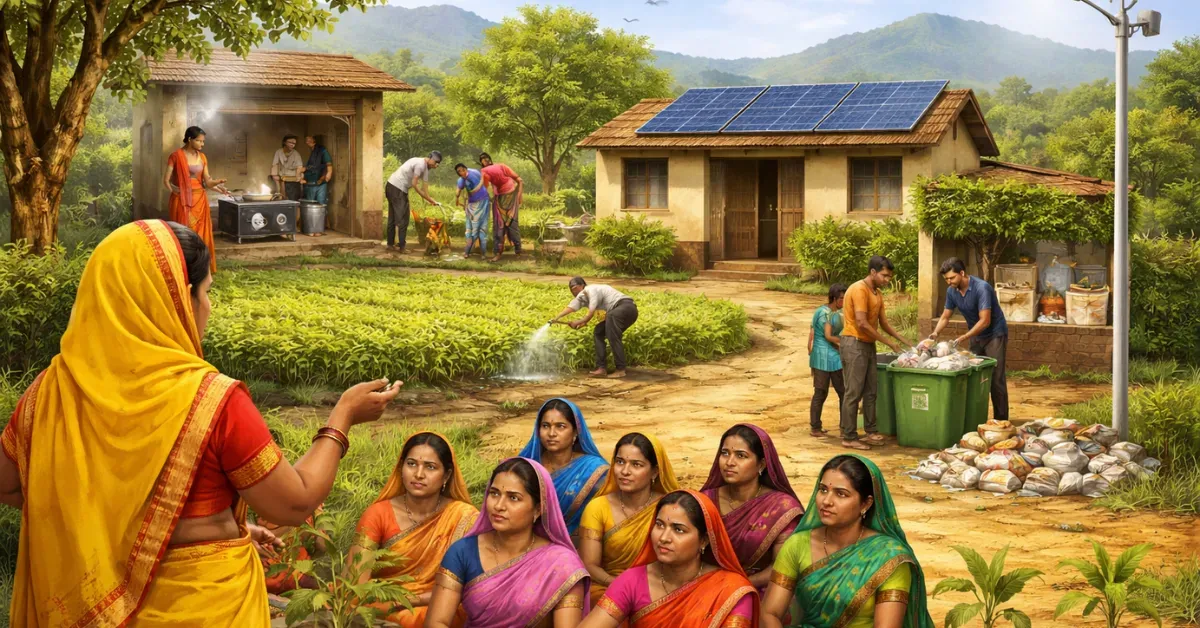
When Sharada Gaydhane, the sarpanch (village head) of Bela Gram in Maharashtra, started listening to the women in her community, a pattern emerged. Smoky kitchens, failing crops, constant headaches. Not exactly a recipe for a good day. Gaydhane quickly connected the dots: these weren't isolated gripes, but symptoms of a much larger environmental problem.
Her solution wasn't a grand, top-down mandate. It was a slow, steady, community-wide effort to tackle climate change, one sapling and solar panel at a time.
From Smoke to Sunshine
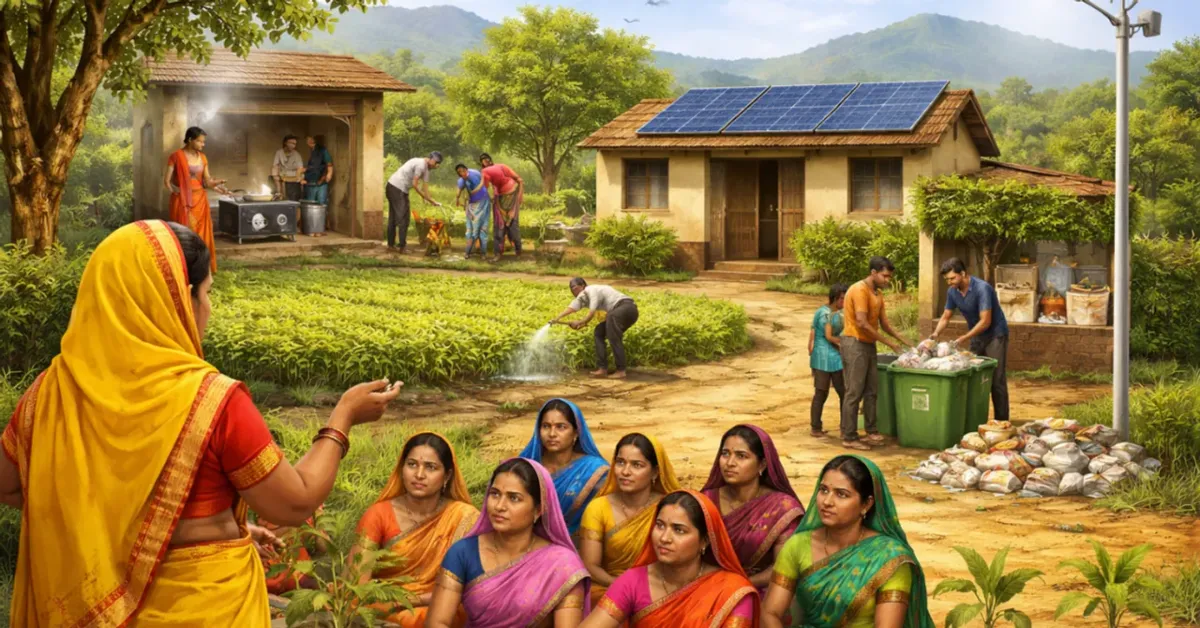
First up: trees. Lots of them. Planting saplings became a village-wide tradition, woven into weddings and festivals. Because nothing says 'I love you' like a future oxygen supply, apparently. Over time, Bela's landscape transformed, greening up the place considerably. We're talking 90,000 trees, which, if you're counting, is a lot of carbon sequestration.
We're a new kind of news feed.
Regular news is designed to drain you. We're a non-profit built to restore you. Every story we publish is scored for impact, progress, and hope.
Start Your News DetoxNext, the village tackled energy. Those smoky wood stoves? Out. In came LPG connections and, even better, solar-powered options. This wasn't just good for the planet; it was good for people's lungs and dinner plans. Solar panels popped up everywhere: homes, anganwadis (those vital rural childcare centers), and the panchayat office. Because why wouldn't you harness free sunshine when you've got it?
Waste was the final frontier. Households started sorting their trash, and single-use plastics began to vanish. Gaydhane admits it wasn't an overnight miracle. These things rarely are. But the shift happened.
Bela's transformation from a village struggling with environmental woes to India's first net-zero carbon village earned them the prestigious 2024 Rashtriya Panchayat Puraskar. It’s a pretty compelling case study for how climate action can actually work when it starts with listening to people's everyday problems.
Gaydhane, who was re-elected twice (a testament to her pragmatic approach), famously said, "waste can be converted into wealth if thought properly." Instead of waiting for external saviors, Bela looked inward, improved what they had, and showed the world that local actions can indeed lead to lasting global solutions. Let that satisfying number of trees sink in.