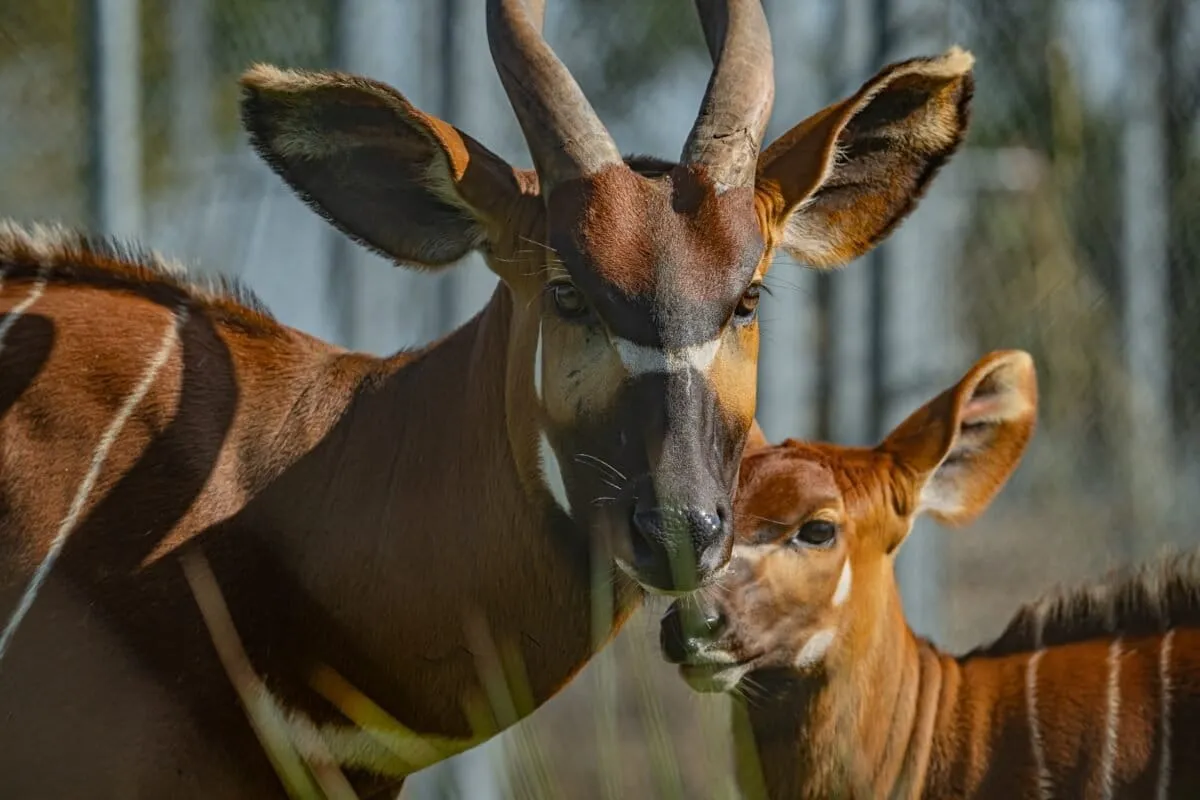
Four male mountain bongos are currently en route from European zoos to Kenya, which sounds a bit like an incredibly niche, high-stakes international transfer. The goal? To boost the numbers of this critically endangered antelope, because apparently, even antelopes need a little help from their friends across the pond.
This isn't just a casual plane ride for some fancy deer. Experts from Chester Zoo in England, the Kenya Wildlife Service (KWS), and the European Association of Zoos and Aquariums have spent over a decade coordinating a breeding program. These four lucky bachelors were hand-picked based on their age, health, and — naturally — their genetics. They're the first to make the journey from European captivity back to their ancestral lands for rewilding. No pressure, fellas.

Nick Davis, mammals general manager at Chester Zoo, put it rather succinctly: collaborations like this are "vital" to stop species from vanishing entirely. Because, as it turns out, modern zoos aren't just for looking at sleepy lions anymore; they're essentially high-tech matchmaking services for animals on the brink.
We're a new kind of news feed.
Regular news is designed to drain you. We're a non-profit built to restore you. Every story we publish is scored for impact, progress, and hope.
Start Your News DetoxThe Bongo's Bad News
To understand why this is such a big deal, you need to know the mountain bongo's backstory. In 2016, the IUCN declared them critically endangered, with a measly 70-80 adults left in the wild, all chilling exclusively in Kenya. Let that satisfyingly round, yet terrifyingly small, number sink in.
There was a brief moment of hope. Kenya's 2021 wildlife census reported about 150 wild mountain bongos, which felt like a massive win. But by 2025, that number had plummeted again to just 66. Kenyan experts are still figuring out all the reasons behind this disheartening decline, but it’s clear the bongos could use some fresh blood. Or, you know, just more blood.
So, these four European gentlemen are arriving not just as animals, but as something closer to biological ambassadors, tasked with the rather significant job of helping save their entire species. Which, if you think about it, is both impressive and slightly terrifying.