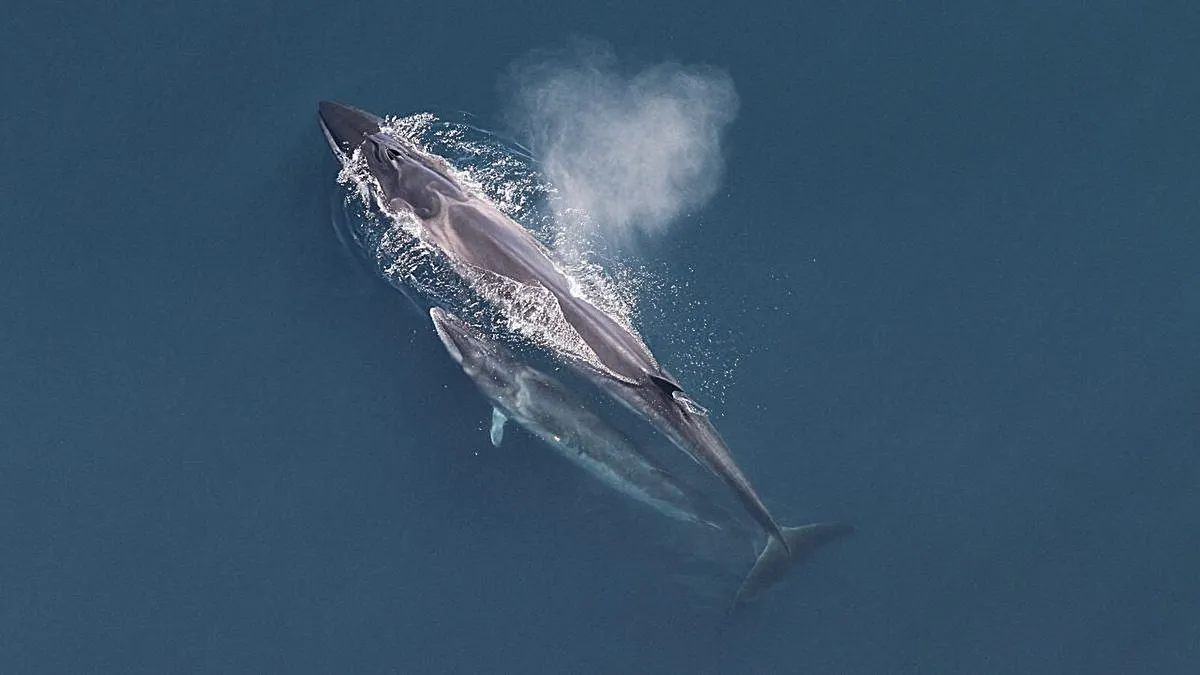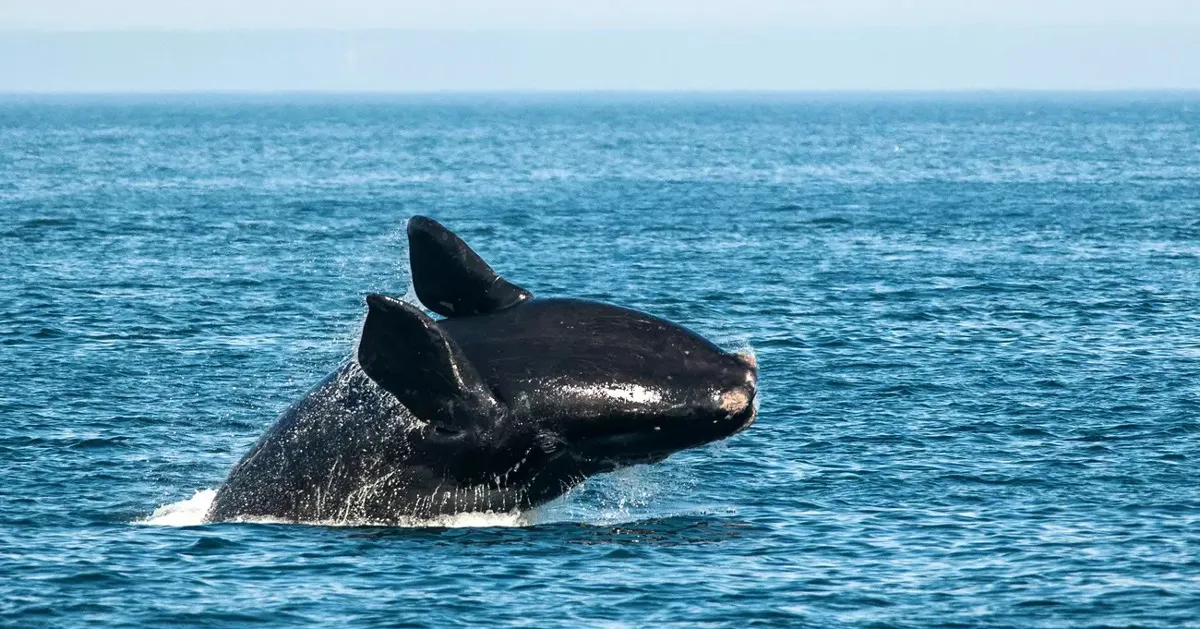
North Atlantic right whales are critically endangered. Only about 380 of these whales remain. Just 70 of them are females able to reproduce.
In 2025, only eleven calves were born. These whales were almost hunted to extinction in the 1800s. Hunting them became illegal in 1935.
However, their population has not recovered. Climate change and ships hitting them still threaten their small numbers.
We're a new kind of news feed.
Regular news is designed to drain you. We're a non-profit built to restore you. Every story we publish is scored for impact, progress, and hope.
Start Your News DetoxA New Way to Fund Whale Protection
Federal funding for environmental research is becoming harder to get. This is due to proposed budget cuts. The White House plans to cut federal research spending in its 2027 budget request.
This includes cuts to the National Science Foundation, NASA, and the Department of Energy’s Office of Science. It also targets programs focused on climate change and the environment.
This situation led a team of marine biologists in Massachusetts to try something new. They started a GoFundMe to protect the North Atlantic right whale.
Zoe Rauscher, a volunteer and drone pilot for the Marineland Right Whale Project (MRWP), launched the fundraiser. The goal is to raise $15,000. So far, over $4,400 has been raised.
The MRWP is part of the Associated Scientists at Woods Hole. This group supports marine research in the Cape Cod area.
Rauscher explained that the MRWP relies on grants and donations. Federal budget cuts make grants harder to get. Donations are crucial for the organization to continue its work in 2027.
How the Project Helps Whales
The MRWP and its scientists have already made a difference. Since whales cannot be chipped or tracked digitally, volunteers survey the ocean daily. They locate whales, count them, and observe their health and mating each season.
They also protect whales in real time.
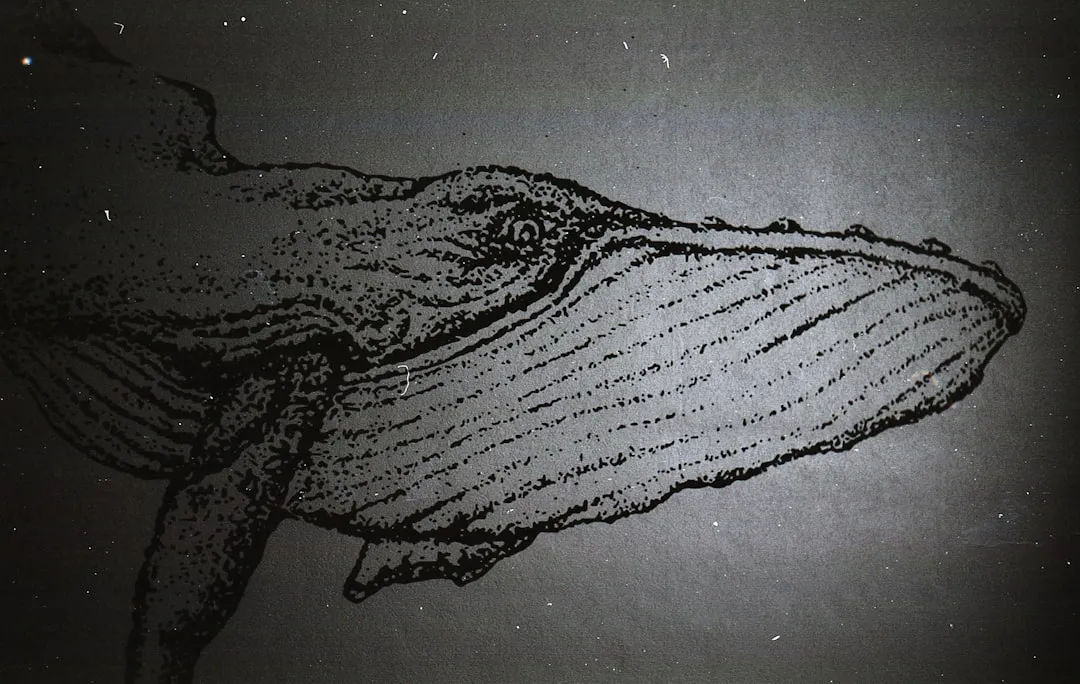 Photo by Sara Ellis/MRWP
When a team spots a whale, they tell MRWP leaders. These leaders then send photo evidence to the Florida Fish and Wildlife Conservation Commission (FWC). The FWC alerts the Early Warning System. This system tells commercial and federal ships to slow down or change course to avoid the whales.
This helps protect vulnerable mothers and calves during their yearly migration. It increases their chances of survival and helps the population grow.
The MRWP started in 2001 and has over 250 volunteers. While some work in Cape Cod, their main focus is the coastal waters of northeastern Florida. Right whales migrate there from December to March to give birth and nurse their calves. Then, they return to New England and Canada.
In northeast Florida, right whales often come close to shore. Mothers with calves and young whales playing can be seen. A network of citizen volunteers helps with science, conservation, and protecting the species and its home.
You can donate to the GoFundMe fundraiser. Local citizen scientists can also help by calling the Right Whale Hotline at 1-888-97-WHALE if they spot a right whale.
Donations support surveys, specialized equipment like drones and cameras, research, and administrative costs.