American woodcocks are drawing big crowds in New York City's Bryant Park. These "charmingly goofy" birds are stopping there during their migration north. They have become internet famous for their unique dance moves.
More than 650 people recently joined a special bird walk in the park. Naturalist Gabriel Willow said they needed "bird security" to manage the crowds. He finds it "gratifying to see so many people charmed and delighted."
Why the Woodcock Craze?
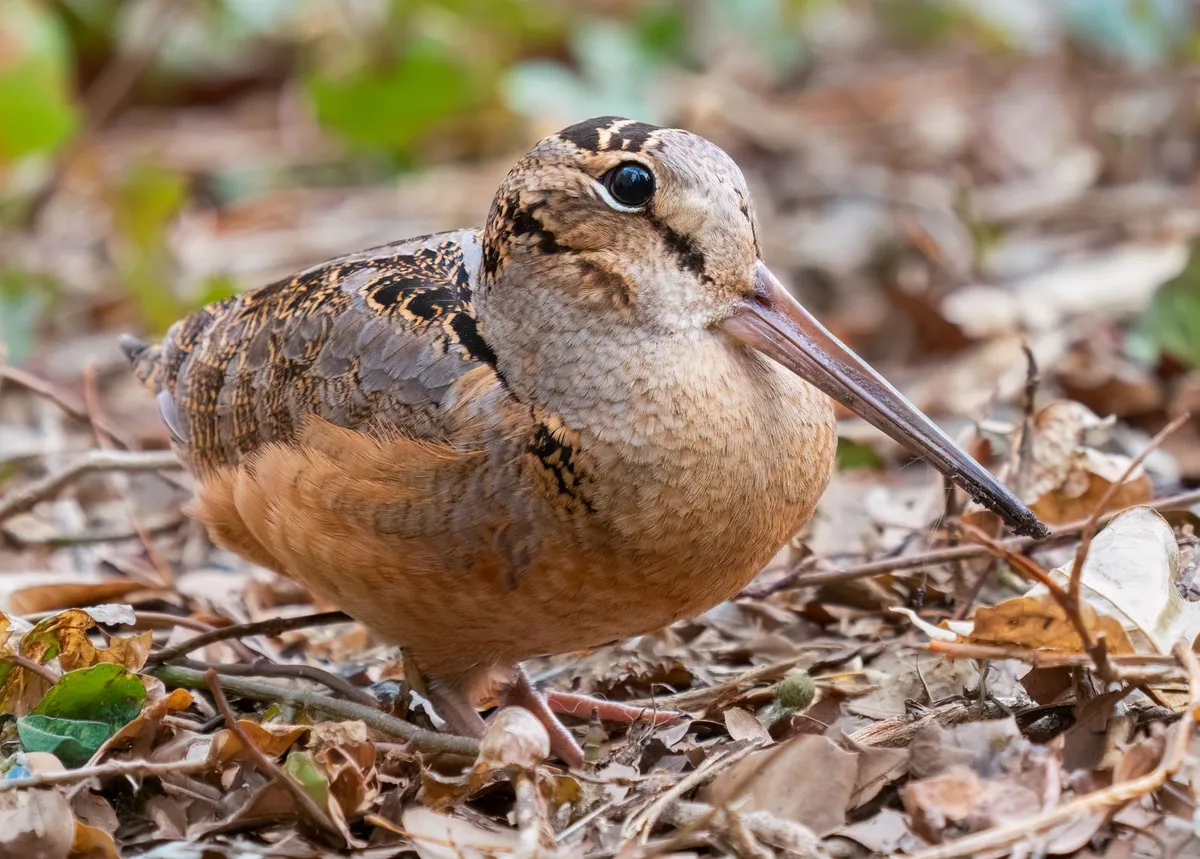
The birds are round and brown, and their dance is a big reason for their fame. Woodcocks rock back and forth as they walk, almost like they're dancing to music. Videos of them doing this, often set to music, have gone viral online. Their nasal, buzzy call, known as a "peent," is also featured in these clips.
We're a new kind of news feed.
Regular news is designed to drain you. We're a non-profit built to restore you. Every story we publish is scored for impact, progress, and hope.
Start Your News DetoxLiz Riegel, who organizes bird walks in Bryant Park, notes their unusual look. She describes their "chubby body shape" and "exaggerated" features like a long, thin beak and oddly placed eyes. They don't look like typical city birds.
Woodcocks have likely used Manhattan as a rest stop for thousands of years. Records from the bird-tracking site eBird show them in Bryant Park since 2002. The park is a vital green space in Midtown for these migrating birds.
Riegel also highlights the community aspect of "woodcock-mania." She sees groups of 30 or 40 people watching a single bird. They get excited together when it finds a worm and share their observations with curious passers-by.
All About the American Woodcock
The American woodcock (Scolopax minor) is a robin-sized forest bird. It's also known as the timberdoodle or bog sucker. Despite being related to sandpipers, it prefers forest floors over beaches. Its mottled brown feathers help it blend in with fallen leaves.
Woodcocks use their long beaks to probe the ground for earthworms. Worms make up about 60% of their diet. They also eat other insects like ants, flies, and beetles. A woodcock can eat its own weight in worms every day.
Baby woodcocks start finding their own worms just three or four days after hatching.
The Mystery of the Woodcock Dance
Scientists aren't entirely sure why woodcocks dance. One theory is that the heavy steps and body bobbing make worms move underground, making them easier to find.
Another idea is that the dance is a warning to predators. Ecologist Scott R. McWilliams suggests it tells predators, "I pretty much can see you, and I can take off at will, and you’re not going to get me."
Amazing Fliers
Despite their round shape, woodcocks are skilled fliers. Male woodcocks perform an impressive "sky dance" during courtship. This display starts with "peent" calls on the ground.
The male then flies upward in a wide spiral, reaching 250 to 300 feet high. During this flight, he chirps and makes twittering sounds with special feathers. He then drops gracefully back to the ground, hoping to attract a female. This dance is the best way to spot these usually hidden birds.
Conservation Efforts
The American woodcock population is estimated at 3.5 million. It is currently classified as a species of least concern. However, their numbers declined between 1966 and 2019.
Major threats include habitat loss and predation from cats in rural areas. In cities, migratory birds like woodcocks are at risk of hitting buildings.
Experts hope the woodcocks' newfound fame in Bryant Park will boost conservation efforts. Gabriel Willow hopes people will be inspired to become bird watchers and conservationists. He believes it can open a window to the wild world around us, even in busy cities.
Deep Dive & References
American Woodcock - All About Birds American Woodcock - Ruffed Grouse Society We made it through another winter! Spring is here! - U.S. Fish and Wildlife Service, 2015 This Is the American Woodcock, New York City’s Latest It Bird - The New York Times, 2026 Do Yourself a Favor This Spring: Go See an American Woodcock’s Sky Dance - Audubon, 2021