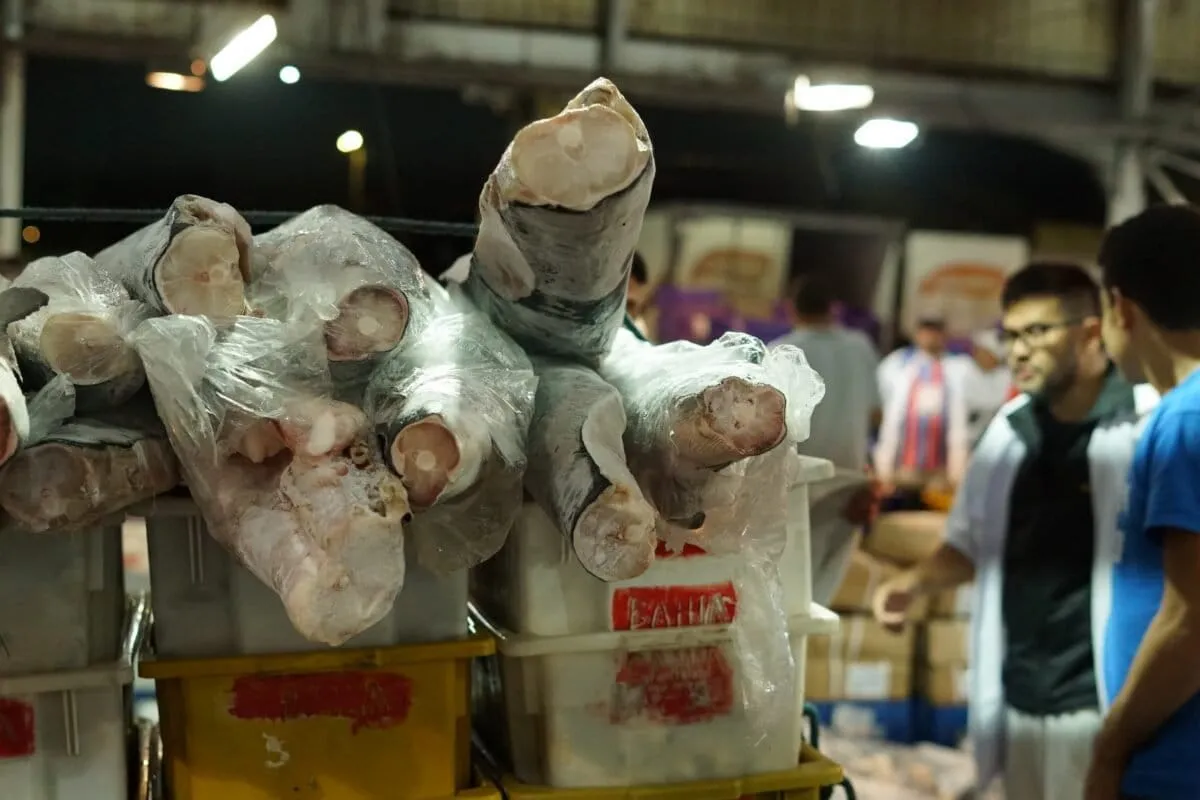
In a move that probably made several chefs and procurement officers breathe a sigh of relief (or perhaps confusion), Latin America's largest public hospital complex, the University of São Paulo Medical School Hospital (HCFMUSP), has officially scrapped its plans to buy over 17 metric tons of shark meat.
Because apparently, when you're a medical institution, serving up something with a "proven toxicological risk associated with heavy metals" isn't exactly a great look. Who knew?

For a bit of context, Brazil is the world's biggest consumer of shark meat. A 2025 investigation found that a lot of this demand comes from, you guessed it, government purchases. We're talking hospitals, schools, prisons — basically, anywhere a large institution needs to feed a lot of people. HCFMUSP itself had previously bought at least 135 metric tons between 2008 and 2020. So, this wasn't just a casual shark-meat-curiosity phase.
We're a new kind of news feed.
Regular news is designed to drain you. We're a non-profit built to restore you. Every story we publish is scored for impact, progress, and hope.
Start Your News DetoxThen came the good folks at Sea Shepherd Brasil. They wrote to the hospital administrators, gently reminding them that, you know, sharks are often threatened. And, oh yeah, shark meat tends to be packed with heavy metals like mercury and arsenic, which, last time anyone checked, aren't exactly health boosters.
A Matter of Public Health
To their credit, HCFMUSP listened. In late March, they announced the shark meat was out of the 2026 procurement. They specifically cited the aforementioned "proven toxicological risk" and gave a nod to Sea Shepherd's advocacy. The hospital then took to social media to reaffirm its "commitment to nutritional excellence and the safety of the supplies provided at its facilities." Which, if you think about it, is a pretty important commitment for a hospital.

It's a small victory, perhaps, but one that highlights a growing awareness. Turns out, what's good for the ocean might also be good for the patients. And probably less likely to land the hospital in a very awkward PR situation.