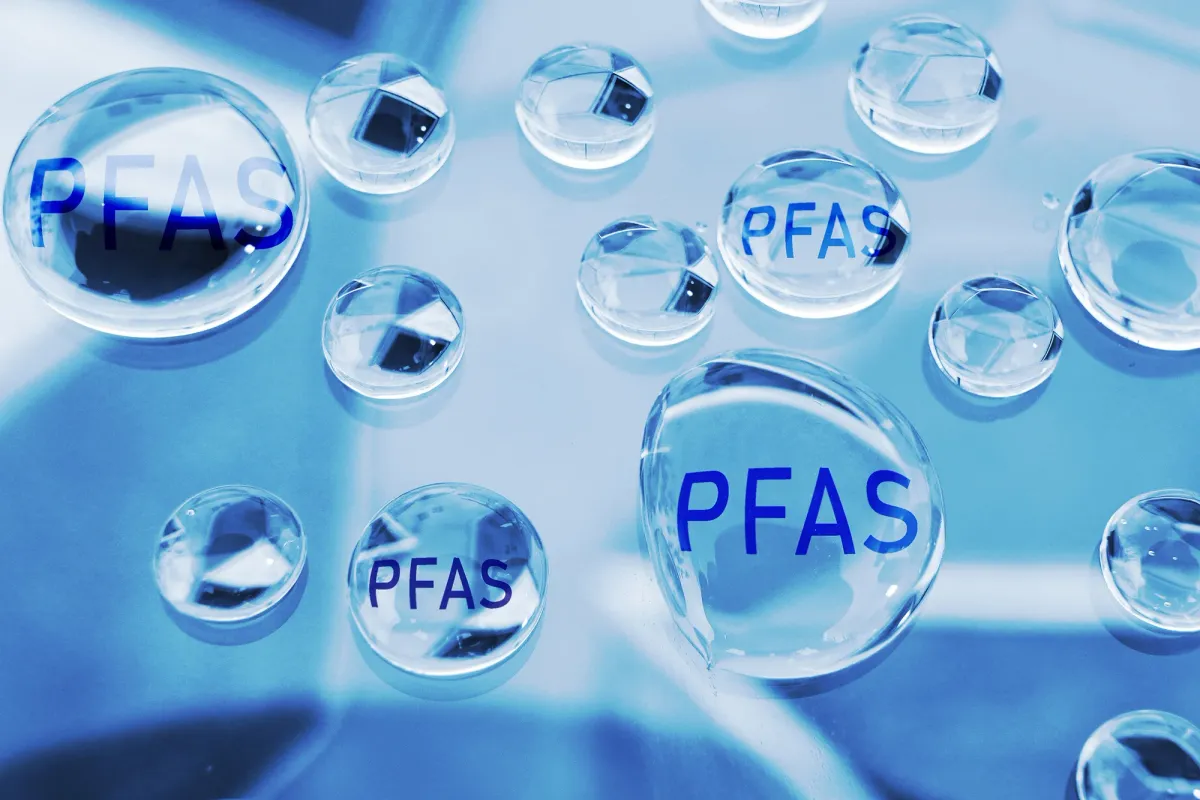
PFAS, known as "forever chemicals," have spread widely through water sources. These chemicals are used in many industries because they resist heat, water, and oil. However, these same properties make them very hard to break down in the environment.
Researchers at Flinders University have found a new way to capture these chemicals. Their method targets the smallest and most mobile PFAS molecules, which often slip through regular filters.
A New Way to Trap Forever Chemicals
Dr. Witold Bloch led a team that created a special material. This material can bind to many types of PFAS, including short-chain versions. These smaller molecules are increasingly used as replacements for older PFAS but are harder to remove and travel more easily in water.
We're a new kind of news feed.
Regular news is designed to drain you. We're a non-profit built to restore you. Every story we publish is scored for impact, progress, and hope.
Start Your News DetoxThe team published their findings in the journal Angewandte Chemie International Edition.
The study describes a nano-sized "molecular cage" designed to trap PFAS. Dr. Bloch explained that while some long-chain PFAS can be partly removed, capturing short-chain PFAS is a big challenge.
He noted that their nano-sized cage forces short-chain PFAS to gather inside it. This strong binding is different from how traditional filter materials work.
To make the filter even better, the researchers put these molecular cages into mesoporous silica. This material usually doesn't bind PFAS on its own.
Caroline Andersson, a PhD student and the study's first author, said adding the nano-sized cage helps the material capture a wide range of PFAS. This includes the hard-to-catch short-chain forms.
She found it exciting to study how PFAS bind within the cage at a molecular level. This understanding helped them design an effective material for PFAS removal.
Effective and Reusable
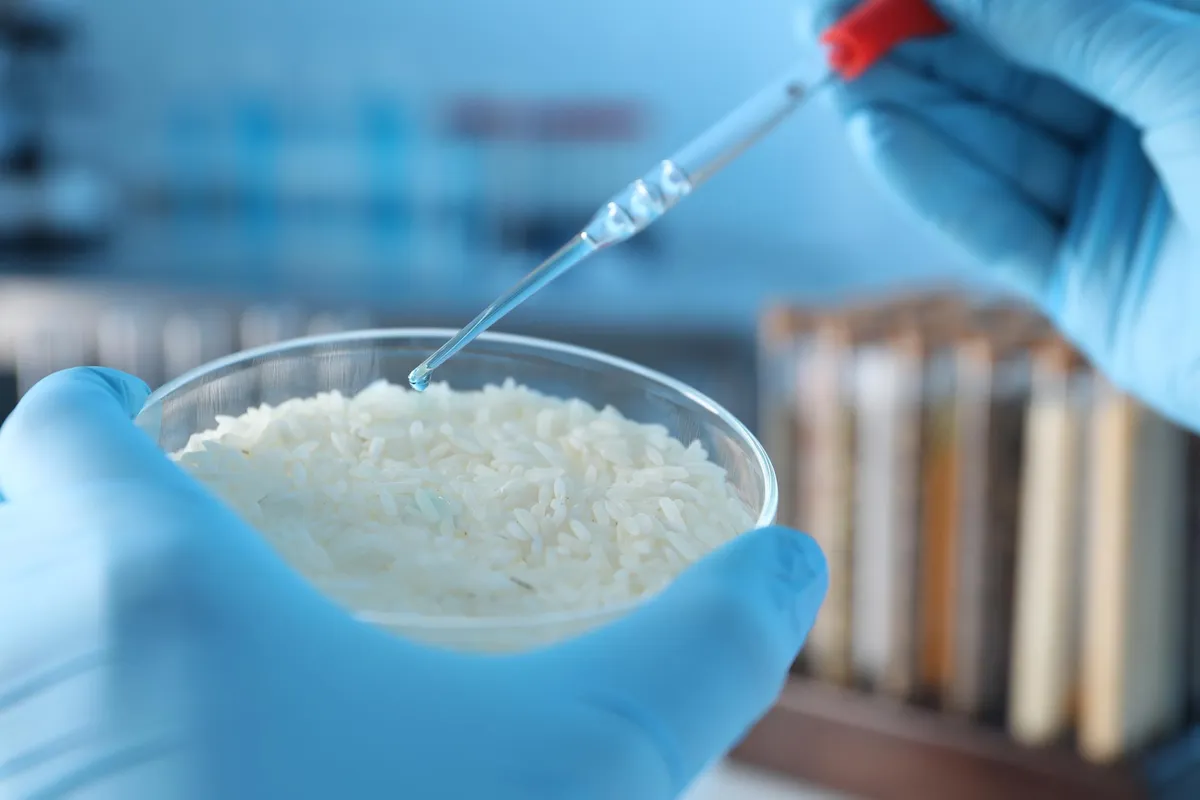
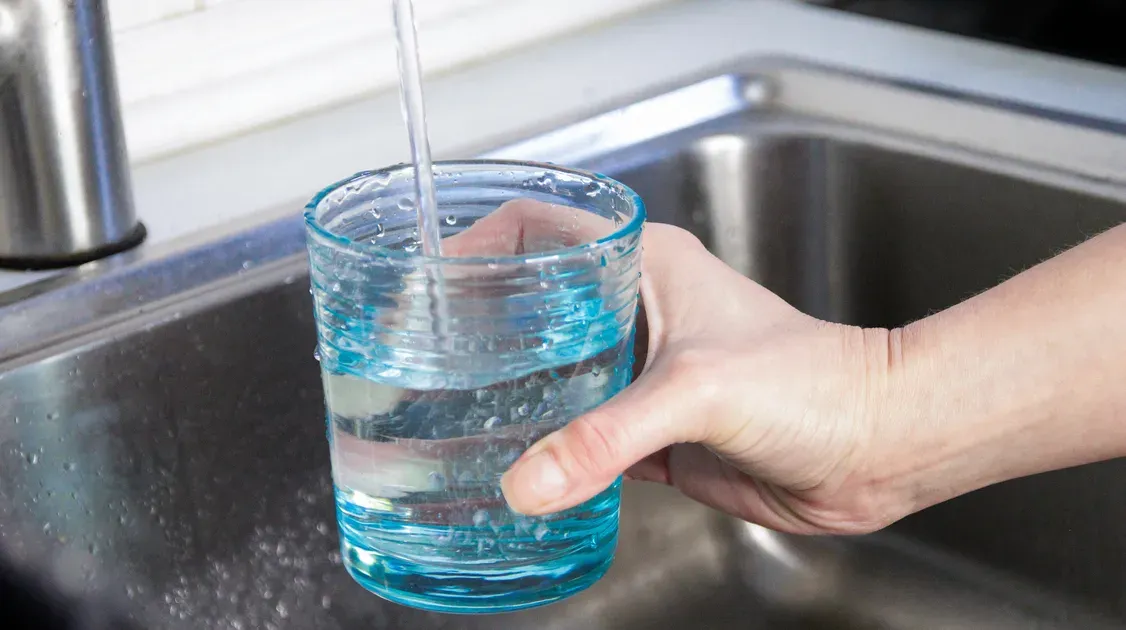
Lab tests showed the material can remove up to 98% of PFAS in model tap water. This was true even at low concentrations found in the environment.
Dr. Bloch added that the material can be reused at least five times and still works well. This means it could be used in water filtration systems to clean drinking water.
He believes this research is a key step in developing advanced materials to fight persistent environmental contaminants.
PFAS chemicals come from industrial processes, firefighting foam, and everyday products. When they enter water, they raise concerns about health risks for people, animals, and wildlife.
Deep Dive & References
Efficient Removal of Short-Chain Perfluoroalkyl Substances by Cavity-Directed Aggregation in a Molecular Cage Host - Angewandte Chemie International Edition, 2026