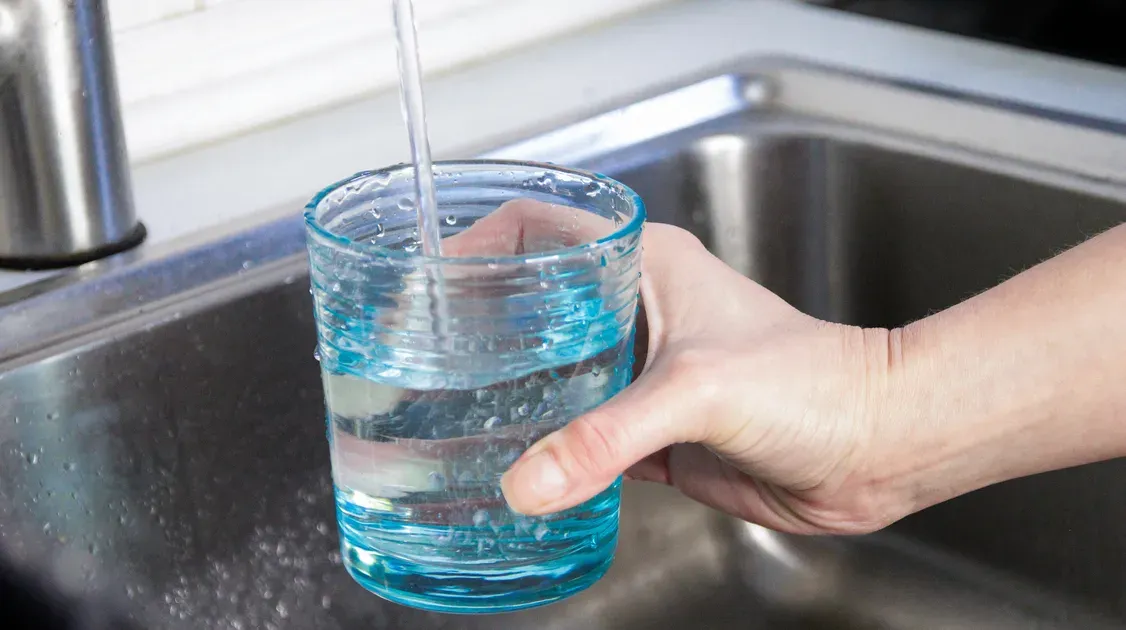
Good news, everyone: The Environmental Protection Agency (EPA) just took a baby step toward getting serious about the tiny bits of plastic and pharmaceutical leftovers lurking in your drinking water. They've proposed adding these delightful substances to their Contaminant Candidate List. Which, for the uninitiated, is basically the EPA's "we should probably look into this" list.
EPA Administrator Lee Zeldin — working in tandem with Health Secretary Robert F. Kennedy Jr.'s rather dramatically named MAHA movement — said this is all about public concern. Because, apparently, people aren't thrilled about drinking water that doubles as a plastic surgeon's reject pile and a pharmacy's lost and found.
So, What's the Big Deal?
This Contaminant Candidate List is where the EPA flags stuff in your water that isn't yet regulated by the Safe Drinking Water Act. They're giving the public 60 days to comment on this draft, with a final list expected by mid-November. Zeldin, quite rightly, stressed that safe drinking water is, in fact, important for American families. Who knew?
We're a new kind of news feed.
Regular news is designed to drain you. We're a non-profit built to restore you. Every story we publish is scored for impact, progress, and hope.
Start Your News DetoxAnd why the sudden urgency? Well, studies have been finding microplastics everywhere. Not just in your water, but in human hearts, brains, and even testicles. While the long-term health effects are still being pieced together, the general consensus is: probably not great. It's like finding glitter in places you absolutely did not put glitter. But, you know, inside your organs.
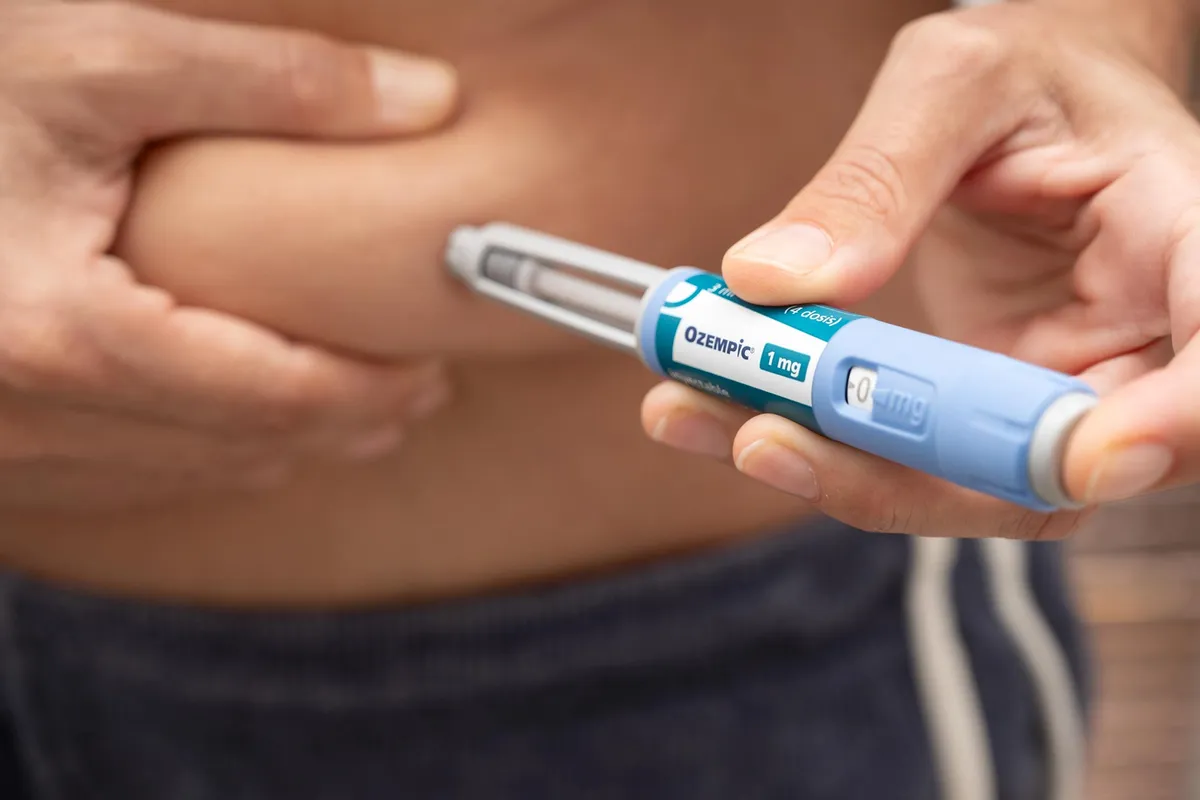
Then there are the pharmaceutical drugs. Turns out, when you take a pill, your body eventually, ahem, excretes it. And many standard wastewater treatment plants are just not equipped to filter out these microscopic medicinal souvenirs. So, they keep circulating.
Now, here's the catch: The EPA uses this list to guide research and funding, but it rarely actually sets new limits on pollutants from it. Erik Olson, an attorney at the Natural Resources Defense Council, dryly noted that it's often a long process that, more often than not, leads to... no new regulations. A real thrill ride, this.
Still, some advocates are cautiously optimistic. Judith Enck, formerly of the EPA and now head of Beyond Plastics, hopes this is indeed the first step. Philip Landrigan of Boston College’s Global Observatory on Planetary Health agrees, but points out the obvious: if we don't slow down plastic production, we're basically bailing out a boat with a thimble while someone's still drilling holes in the hull.
The MAHA Agenda and All That Plastic
This joint Kennedy-Zeldin effort is part of a broader MAHA movement push for action on environmental issues. You might remember the MAHA movement making headlines when an executive order from President Trump aimed to boost glyphosate production (that controversial herbicide). Kennedy, while apparently disappointed, deemed it "necessary for agricultural stability." Because apparently, that's where we are now.
The EPA has hinted at a full MAHA agenda, promising to tackle everything from "forever chemicals" and plastic pollution to Superfund cleanups and lead pipes. Kennedy, whose 2024 presidential campaign had a strong focus on plastic, even announced a $144 million initiative called STOMP (Systematic Targeting of Microplastics). The goal? To measure, understand, and then hopefully remove microplastics from human bodies. Which, if you think about it, is both impressive and slightly terrifying.
Kennedy's logic is sound: you can't treat what you can't measure, and you can't regulate what you don't understand. The goal, he says, is to define the risk, build the tools, and then act on the evidence. Sounds reasonable enough for something that involves tiny bits of plastic ending up in your brain.
The Five-Year Shuffle
The Safe Drinking Water Act mandates that the EPA update this Contaminant Candidate List every five years. And after they publish it, they must decide whether to regulate at least five contaminants from it. Historically, the EPA has often decided that, actually, no regulatory action was needed for most of them. Let that satisfying number sink in.
This is all happening against a backdrop of the Trump administration's general preference for fewer environmental regulations. Just last May, the EPA announced plans to remove limits on some less common "forever chemicals" in drinking water, a year after the Biden administration had set the first national standards for them. Environmental groups are, predictably, fighting to keep the Biden-era rules.
So, this new draft list includes microplastics, pharmaceuticals, PFAS (those other "forever chemicals"), and disinfection byproducts. Plus 75 chemicals and nine microbes. It's a veritable cocktail of things you probably don't want in your morning glass of water. Here's hoping this "first step" actually leads somewhere beyond just a list.