Turns out, the secret ingredient in many of today's miracle drugs, from weight-loss shots to cancer therapies, is a whole lot of environmental headache. We're talking about peptides, those tiny protein building blocks that are currently fueling a $50 billion global drug market (and climbing). And the way we make them? It's messy.
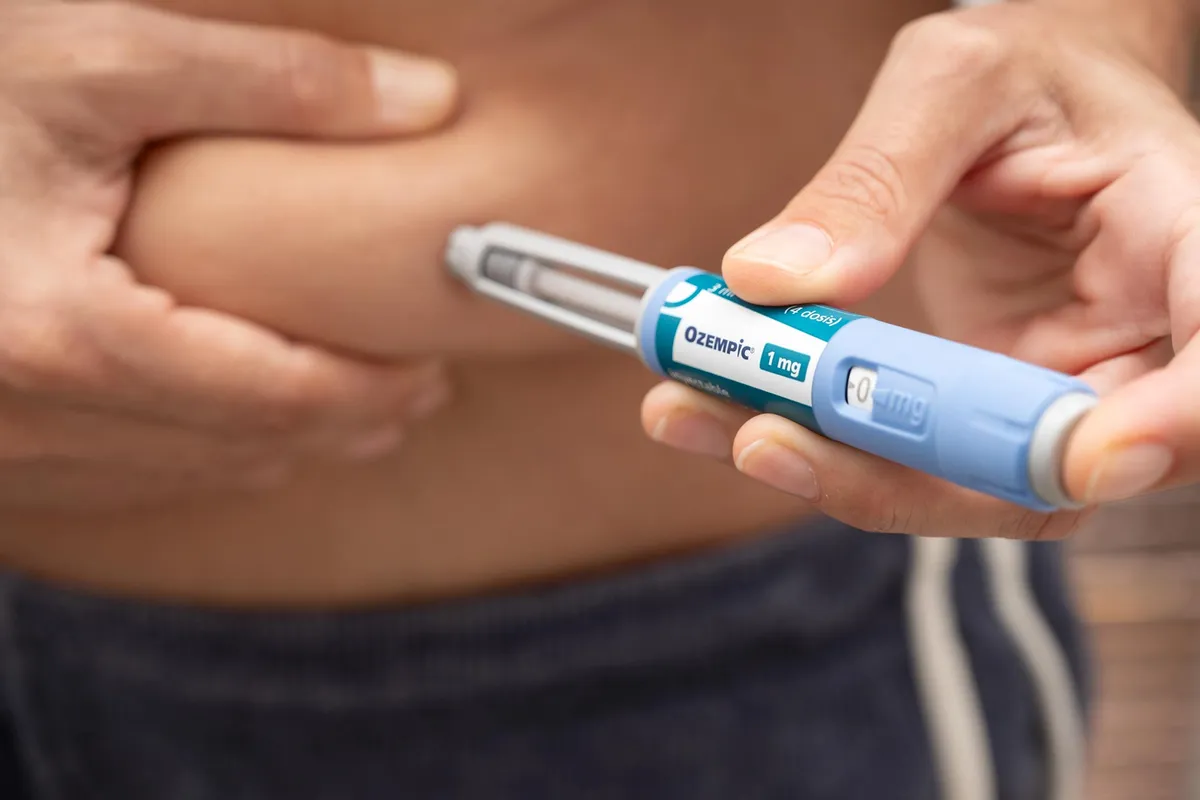
For every kilogram (that's 2.2 pounds) of a GLP-1 drug like Ozempic, manufacturers currently churn through a staggering 30,000 pounds of toxic solvent. To put that in perspective, a typical small-molecule drug uses about 650 pounds of solvent for the same output. That's not a typo. And with roughly 8,800 pounds of semaglutide (the active ingredient in Ozempic) made each year, we're looking at 120 million pounds of solvent waste annually from just one type of drug.
The Not-So-Clean Secret Sauce
For decades, the standard procedure has been Solid-Phase Peptide Synthesis (SPPS). Imagine tiny plastic beads, onto which amino acids are painstakingly added, one by one. Each addition, each wash, requires vast quantities of organic solvents. The king of these solvents? Dimethylformamide (DMF), which you might recognize from things like paint strippers. It's effective, yes, but also a nightmare to dispose of safely, expensive to manage, and increasingly regulated. Oh, and those plastic beads? More non-degradable waste.
We're a new kind of news feed.
Regular news is designed to drain you. We're a non-profit built to restore you. Every story we publish is scored for impact, progress, and hope.
Start Your News DetoxThis is where a team from the University of Melbourne, collaborating with Dr. Don Wellings from SpheriTech Ltd in the UK, decided enough was enough. Their audacious goal: replace all that toxic goo with, well, water. Because apparently, that's where we are now — trying to make cutting-edge medicine with the stuff that comes out of your tap.
The main hurdle was that the core ingredients, Fmoc-protected amino acids, don't play nice with water. They simply don't dissolve. But the researchers, channeling their inner Nobel Prize winner (with an assist from actual Nobel laureate Professor Morten Meldal), found a workaround. They combined the amino acids with specific salts, coaxing them into dissolving in water while staying chemically active. Then, they developed a new water-friendly activating agent and swapped out those pesky plastic supports for a biodegradable, water-attracting material.
A Cleaner Future, One Peptide at a Time
The result? A peptide synthesis process that happens entirely in water. They've already used it to create three complex peptides with the same or better purity and yield, all while completely ditching the DMF. This isn't just an environmental win; it could slash production costs, make drug manufacturing safer, and help companies comply with ever-tightening regulations.
As the demand for these drugs continues its meteoric rise (projected to hit over $70 billion by 2030), a cheaper, cleaner production method isn't just a nice-to-have; it's essential. The team is now working on scaling up their water-based wonder and adapting it for automated systems. If they pull it off, your next dose of life-changing medicine might just be a little less… toxic to the planet. Which, if you think about it, is a pretty sweet side effect.