Sweden's Forests Hold a Hidden Climate Secret
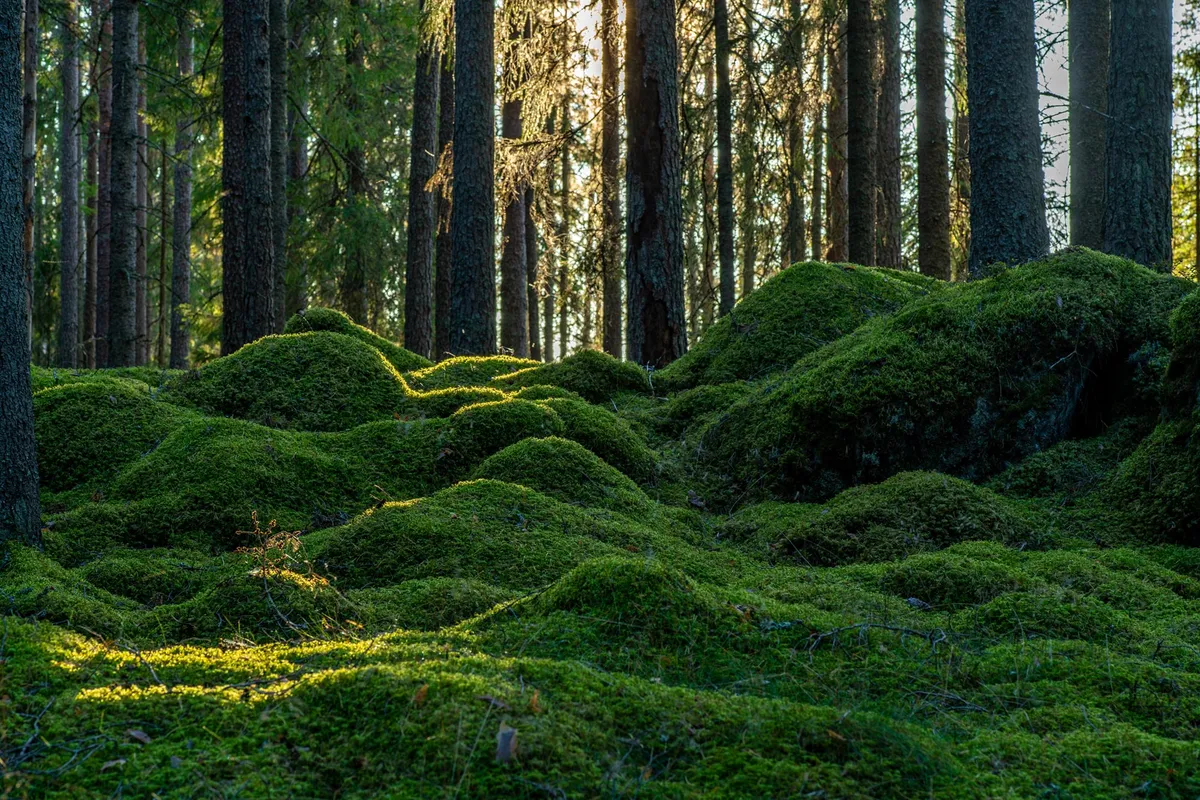
Earth's northern forests might be doing more to fight climate change than we thought. New research from Sweden shows that old, untouched boreal forests store much more carbon than managed forests. This discovery makes us rethink how forests should be used as the world warms.
Boreal forests are the largest forest system on Earth. They stretch across North America, Europe, and Asia. These forests already soak up about 30% of the carbon dioxide humans release. But the demand for wood, paper, and bioenergy is leading to more logging, even in areas that were once left alone.
In many parts of Europe, forestry is very intense. Forests are clear-cut, replanted, fertilized, and drained. This often creates uniform rows of fast-growing trees. While good for timber, these systems are not the same ecologically as the original forests.
We're a new kind of news feed.
Regular news is designed to drain you. We're a non-profit built to restore you. Every story we publish is scored for impact, progress, and hope.
Start Your News DetoxHow Forests Store Carbon
Researchers, led by Didac Pascual, wanted to understand the full impact. They combined national forest data with field measurements from over 200 sites in Sweden. Their goal was to see all the carbon stored, not just in trees, but in the entire forest system.
The team measured carbon in living plants, dead wood, soils, and even wood products like paper and building materials. This broader view is important. Some climate models assume wood products can offset emissions. However, this study suggests those gains might not fully make up for what's lost when primary forests are cut down.
The Carbon Difference is Huge
Sweden's primary forests store about 72% more carbon than managed secondary forests. This includes all carbon pools. This difference is 2.7 to 8 times larger than earlier estimates used in global climate models.
Much of this extra carbon is hidden underground. In some old forests, the top meter of soil holds almost two-thirds of the total carbon. Living trees hold a much smaller amount. When forests are heavily managed, this soil carbon can be disturbed and released. It can take centuries to rebuild.
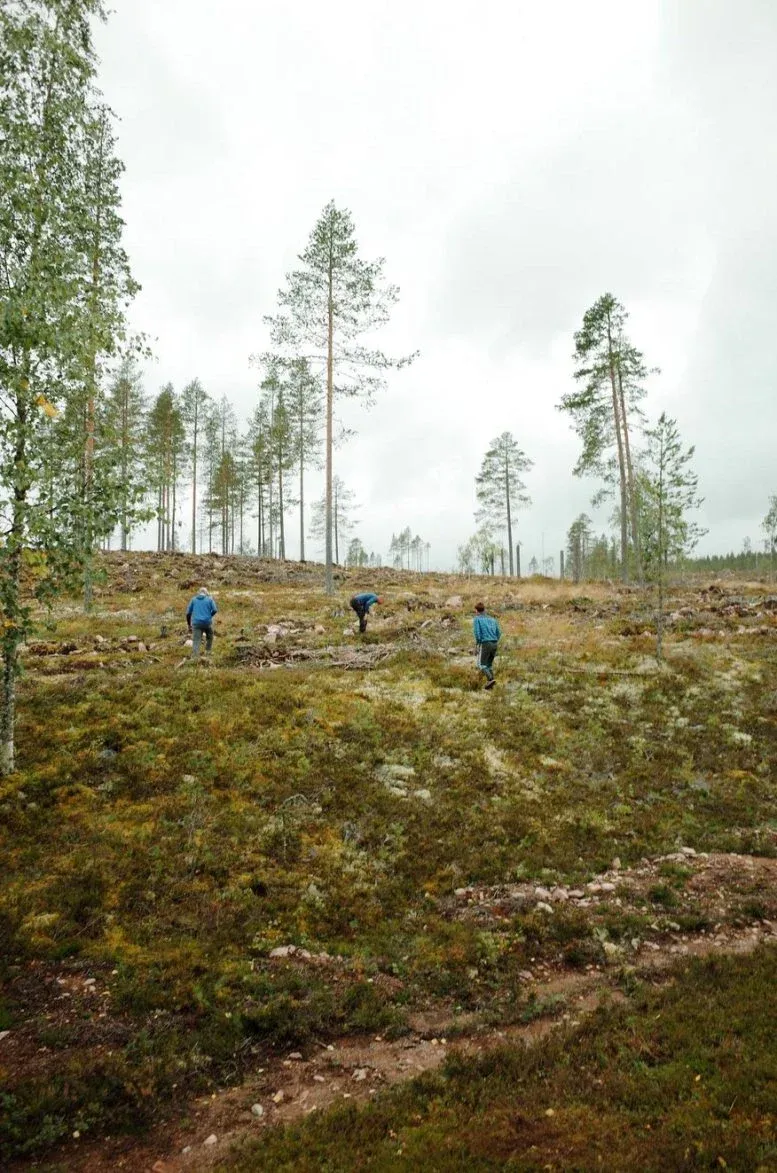
Across Sweden, primary forests store an extra 9.9 kilograms of carbon per square meter. If managed forests were restored to these levels, it could prevent billions of tons of carbon dioxide from entering the atmosphere. This amount is similar to Sweden's total historical fossil fuel emissions.
Why This Matters for Climate Solutions
These findings challenge the idea that managed forests and bioenergy are simple climate solutions. If new forests store much less carbon than the original ecosystems, then the climate benefits of logging and replanting might be overestimated.
The study also shows how easily boreal forest loss can go unnoticed. Unlike tropical deforestation, where rainforests are replaced by very different land uses, managed boreal forests can look similar to natural ones from above. But underground, their carbon storage is very different.
Scientists note that Sweden's forests are intensely managed. Results might vary in other boreal regions like Canada or Russia.
Deep Dive & References
Higher carbon storage in primary than secondary boreal forests in Sweden - Science, 2026