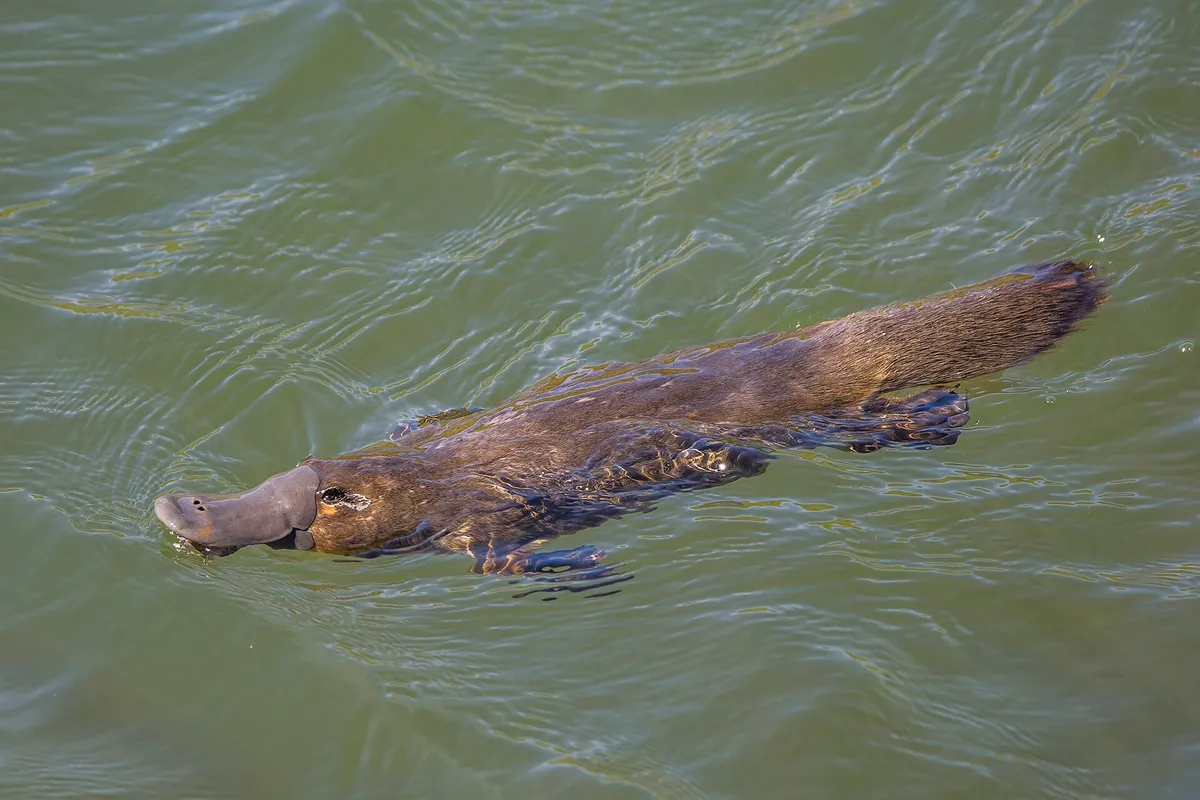
Good news, everyone: the platypuses are back, and they're not just surviving — they're absolutely thriving. After a 50-year absence from Australia's Royal National Park, these delightful, duck-billed oddities are making themselves right at home, with scientists now tracking a population of 20. And that's just the ones they know about.
For half a century, the Hacking River, which winds through the park south of Sydney, was missing its most iconic resident. Imagine a river without its resident semi-aquatic mammal that lays eggs and sweats milk. Tragic, really.

The Great Platypus Comeback
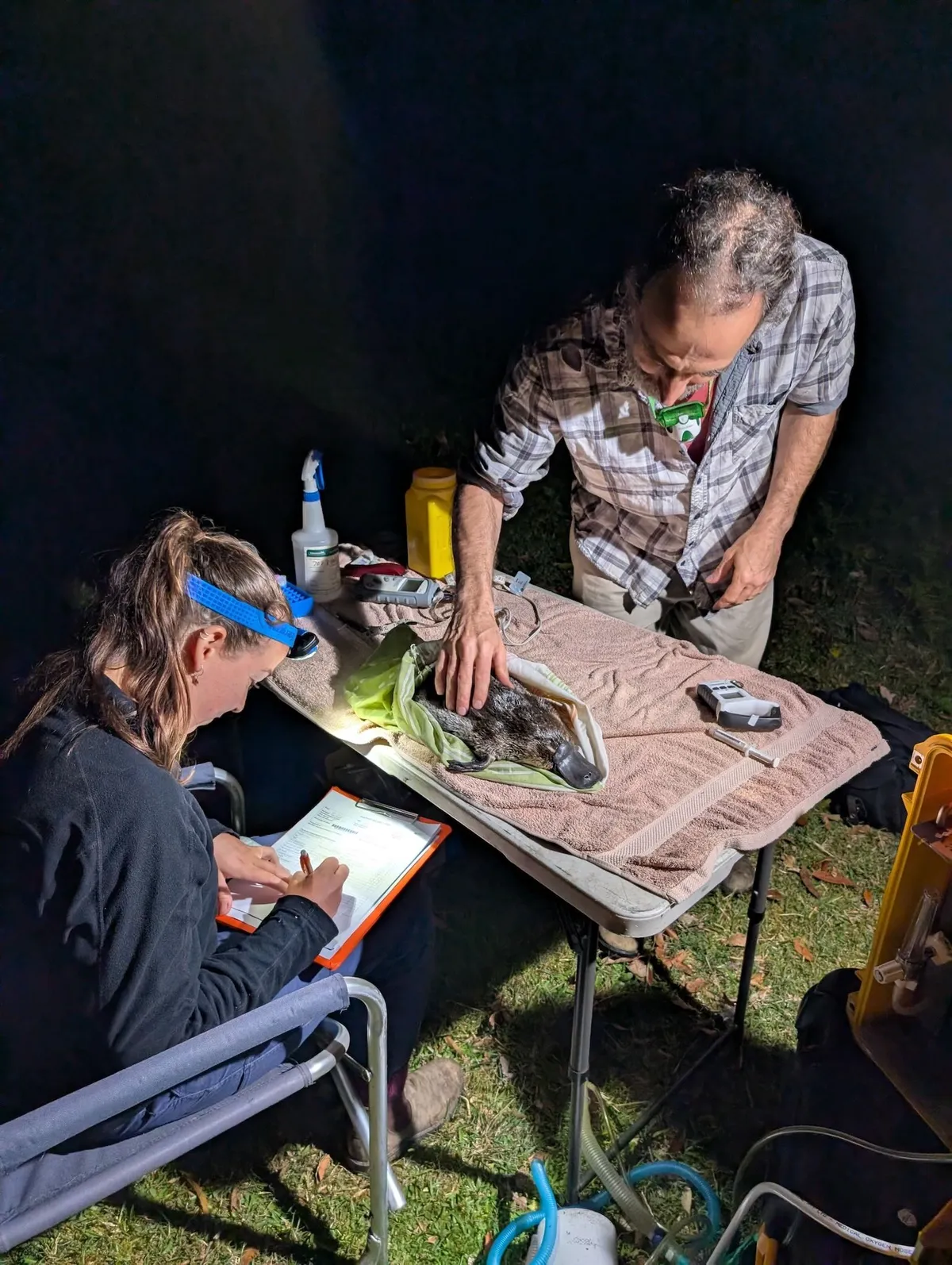
Enter the Platypus Conservation Initiative and Gilad Bino from UNSW, who decided enough was enough. In 2023, they kicked off a reintroduction program, releasing 10 platypuses into the park. Each one got a tiny tracking device, because, let's be honest, you can't just release a bunch of platypuses and hope for the best. Someone has to keep tabs on their survival, their wanderings, and, crucially, their romantic endeavors.
We're a new kind of news feed.
Regular news is designed to drain you. We're a non-profit built to restore you. Every story we publish is scored for impact, progress, and hope.
Start Your News DetoxThree more platypuses joined the party in 2025. Then, in May 2026, four more — Absinthe, Duckie, Dawn, and Hydra — were introduced from other robust populations. Because what's a comeback without a few new faces, especially when two of them sound like characters from a very niche spy novel?
And the results? Beyond expectations. Researchers conducting surveys have confirmed at least 20 individuals, with the strong possibility of more secretive, untracked platypuses lurking in the river. Even park visitors are getting in on the action, reporting sightings near the Hacking River. It turns out, when you bring back an animal that looks like it was designed by a committee that couldn't agree on anything, people tend to notice. Let's hope they keep up the good work; the river certainly missed its charmingly bizarre residents.