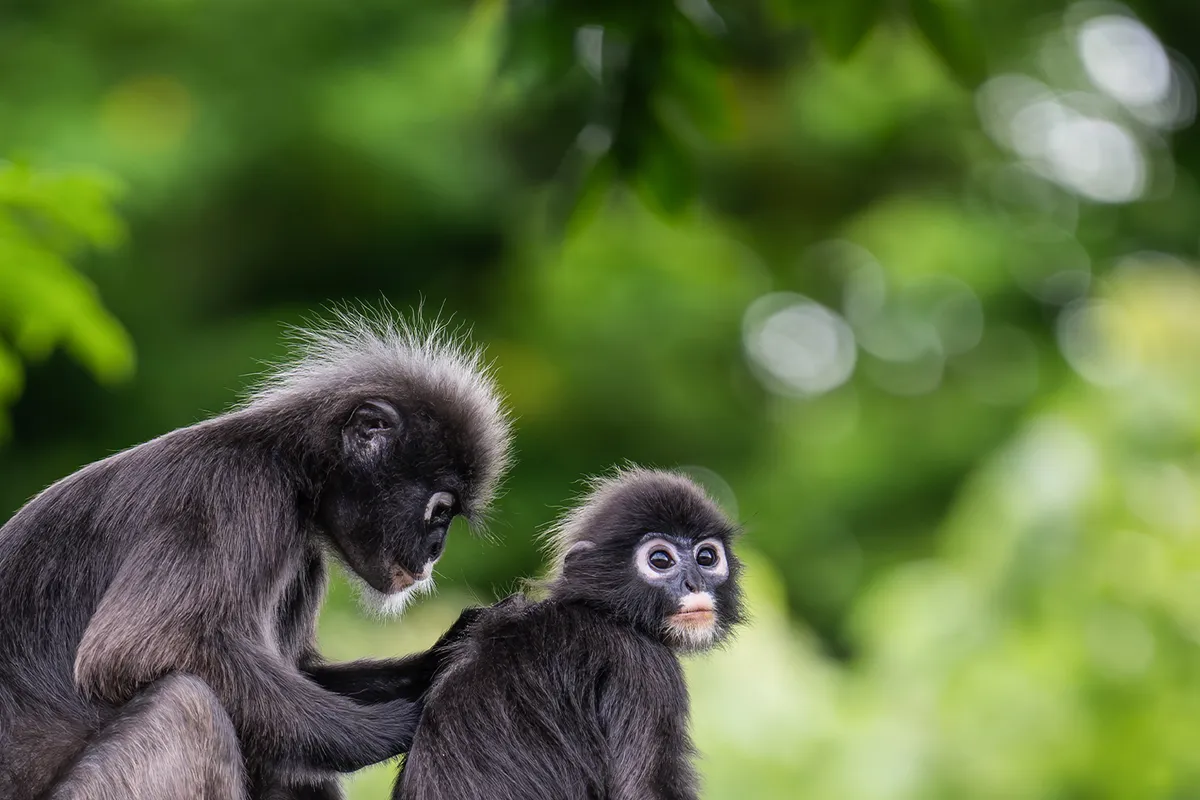
Back in 2016, Yap Jo Leen was deep in the jungles of Penang, Malaysia, studying dusky langurs when she witnessed something that would change her work forever: a langur named Towkay Soh got clipped by a car while trying to cross a busy road. The good news? Towkay Soh recovered. The even better news? Yap watched in awe as other langurs rallied around her, grooming her and offering comfort. Apparently, connection isn't just a human thing.
These dusky langurs, with their striking white 'eye masks' against black fur, are endangered in Malaysia. And their survival often hinges on some rather clever human intervention – like custom-built crossings over urban sprawl and a little help from the public.

Not every langur was as fortunate as Towkay Soh. Between 2016 and 2018, Yap recorded eight more langur deaths by vehicle in that same stretch of road. A stark reminder that while urban development marches on, wildlife often gets left in the dust, or, in this case, on the asphalt.
We're a new kind of news feed.
Regular news is designed to drain you. We're a non-profit built to restore you. Every story we publish is scored for impact, progress, and hope.
Start Your News DetoxBridging the Gap, Literally
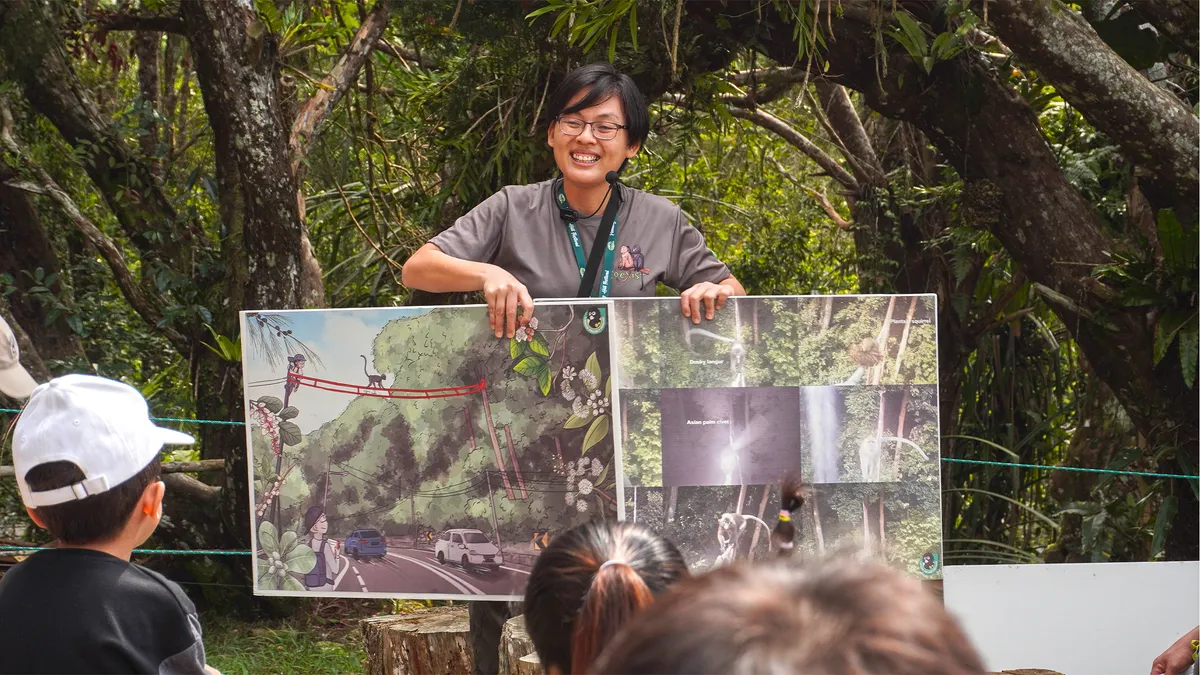
Fast forward to 2019. Yap and her team decided enough was enough. They got creative, building a canopy bridge over the road, ingeniously constructed from old fire hoses. Because apparently, fire hoses aren't just for putting out fires; they're also for building monkey superhighways.
Since that bridge went up, not a single langur has died on that road. Let that sink in. Zero. It’s a testament to the fact that sometimes, the simplest solutions, born from a desire to connect, can make all the difference for our wild neighbors. And who knew retired fire hoses had such a noble second act?