For thousands of years, trees have been doing this neat trick: they flex in the wind instead of snapping. Early skyscrapers, those grand steel behemoths, took notes, designing buildings to sway rather than crack during storms and earthquakes. Now, in a delightful full-circle moment, architects are looking back to wood for the same reasons, but with a decidedly modern glow-up.
The Rise of Mass Timber
Forget the log cabins of yore. We're talking about engineered wood materials like cross-laminated and glue-laminated timber. Think of them as wood, but on a serious protein shake regimen: layers glued together to create something incredibly strong, flexible, and surprisingly lightweight. So robust, in fact, that designers are now stacking them 15, 20, even 25 stories high. Case in point: Milwaukee's Ascent MKE Building, a 284-foot timber titan that claimed the title of the world's tallest timber structure in 2022.
Architects aren't just doing this for the aesthetics (though, let's be honest, exposed wood is having a moment). They're pushing the limits of "mass timber" construction because it's a quiet superhero in the fight against climate change. Trees, bless their leafy hearts, suck up carbon as they grow. When that wood becomes part of a building, that carbon gets locked away, stored permanently within the structure. It’s like a CO2 time capsule.
We're a new kind of news feed.
Regular news is designed to drain you. We're a non-profit built to restore you. Every story we publish is scored for impact, progress, and hope.
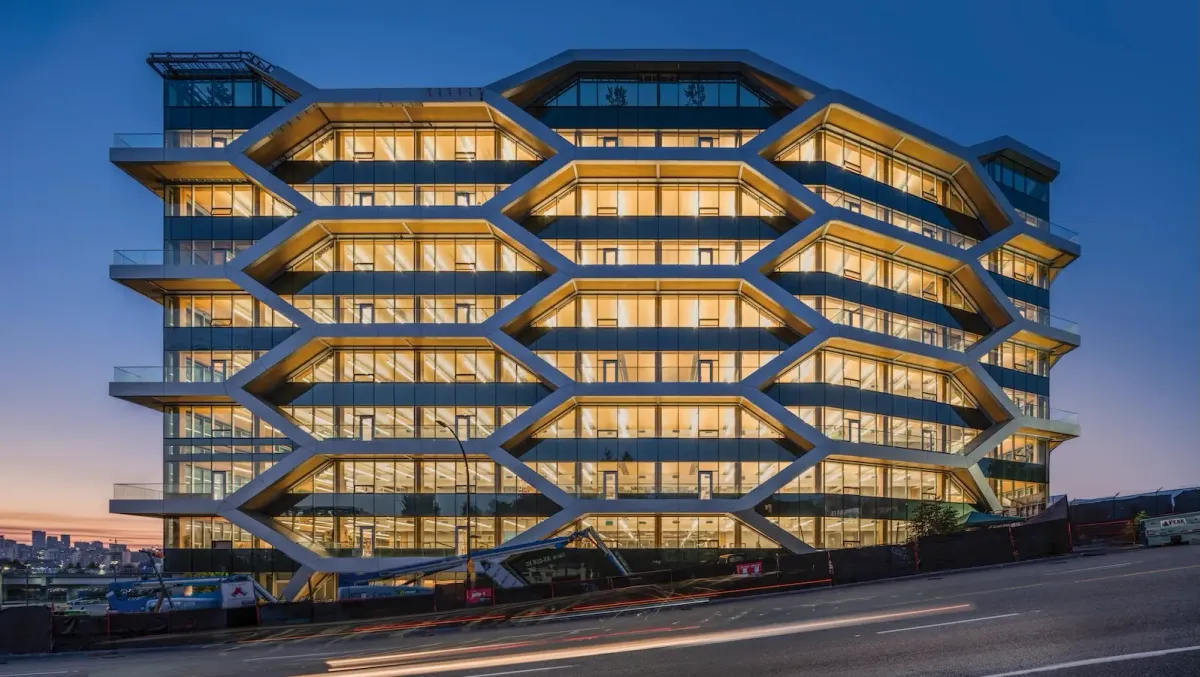
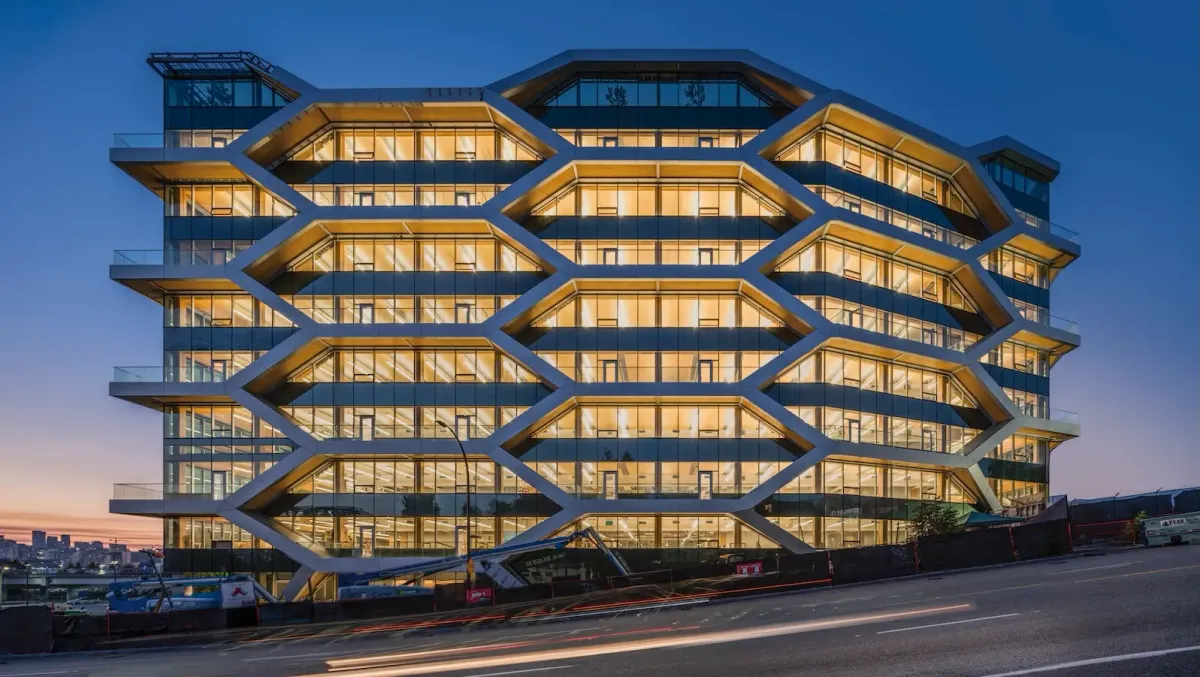
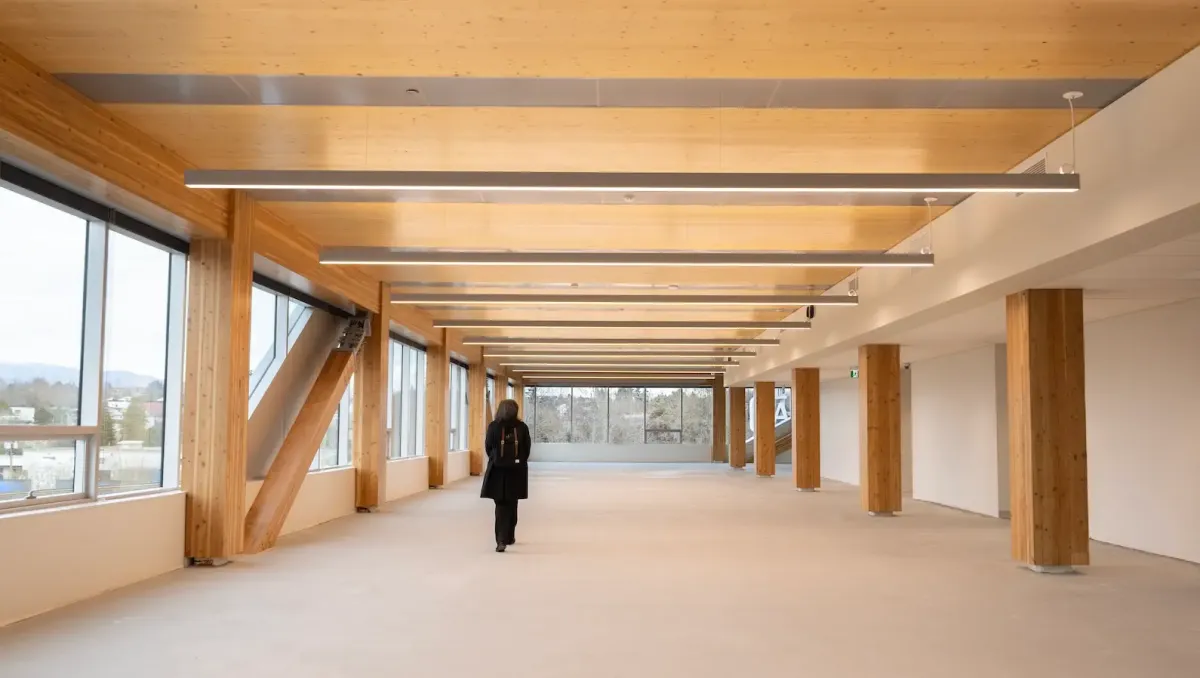
Start Your News DetoxJust last month, Vancouver unveiled The Hive, a 10-story marvel that's now North America’s tallest brace-framed, seismic-force-resisting timber structure. Which is a fancy way of saying it laughs in the face of earthquakes. As Lindsay Duthie, an architect at Dialog (who designed The Hive), dryly observed, we're essentially returning to older building methods that just… made more sense. Before the Industrial Revolution gave us steel, which, while useful, also gives off a truly impressive amount of carbon during production.
And here’s the kicker: this engineered wood doesn't demand ancient, giant trees. Smaller pieces from sustainably managed forests are sliced, layered, and glued, turning what might otherwise be wildfire fuel (from forest thinning efforts by agencies like the U.S. Forest Service) into structural gold. It’s a win-win, turning forest health initiatives into high-rise material.
Shaking Off Doubts and Fending Off Flames
Speaking of earthquakes, The Hive employs Tectonus dampers – basically, giant shock absorbers that help the building recenter itself after a good shake. Not to be outdone, researchers at the University of California, San Diego, put a 10-story timber structure through 88 simulated earthquakes using a "rocking wall" core. Shiling Pei, a professor at the Colorado School of Mines, summed up its performance with a single word: "phenomenally." Which, if you think about it, is both impressive and slightly terrifying to imagine.
This structural integrity isn't just about surviving the big one; it’s about sustainability. A building that doesn't need constant repairs after a natural disaster means fewer carbon emissions from reconstruction. Alessandro Palermo, a structural engineer, notes it creates a structure that's both sustainable and resilient. While timber buildings still need a bit of steel for brackets and concrete for foundations (engineers are working on greener versions of those, too), the bulk of the structure is now a carbon sink.
And fire? That perennial concern for wooden buildings? Mass timber is designed to form a protective char layer when it burns. This char acts as an insulator, shielding the inner wood and maintaining structural integrity. Lindsay Duthie likens it to the black logs left after a campfire – the char becomes the armor. Building regulators, naturally, insist on strict fire safety standards, so rest assured, your future timber high-rise isn't a giant matchstick.
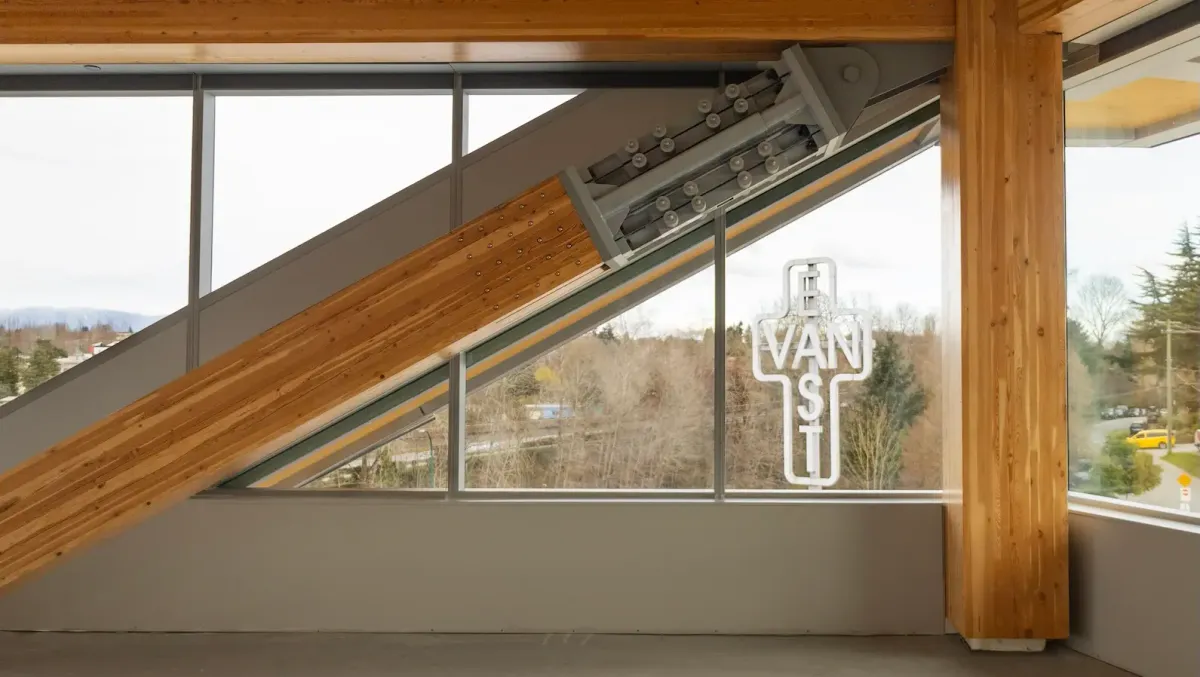
Beyond all the impressive engineering, there's a more primal appeal. Katie Mesia from Gensler points out the tactile quality of wood, that inherent human desire to connect with nature. So, soon enough, you might find yourself working, living, or just admiring the skyline from a mass timber building, experiencing the natural brilliance of wood combined with some very clever human innovation. And probably wondering if your desk is also storing carbon.