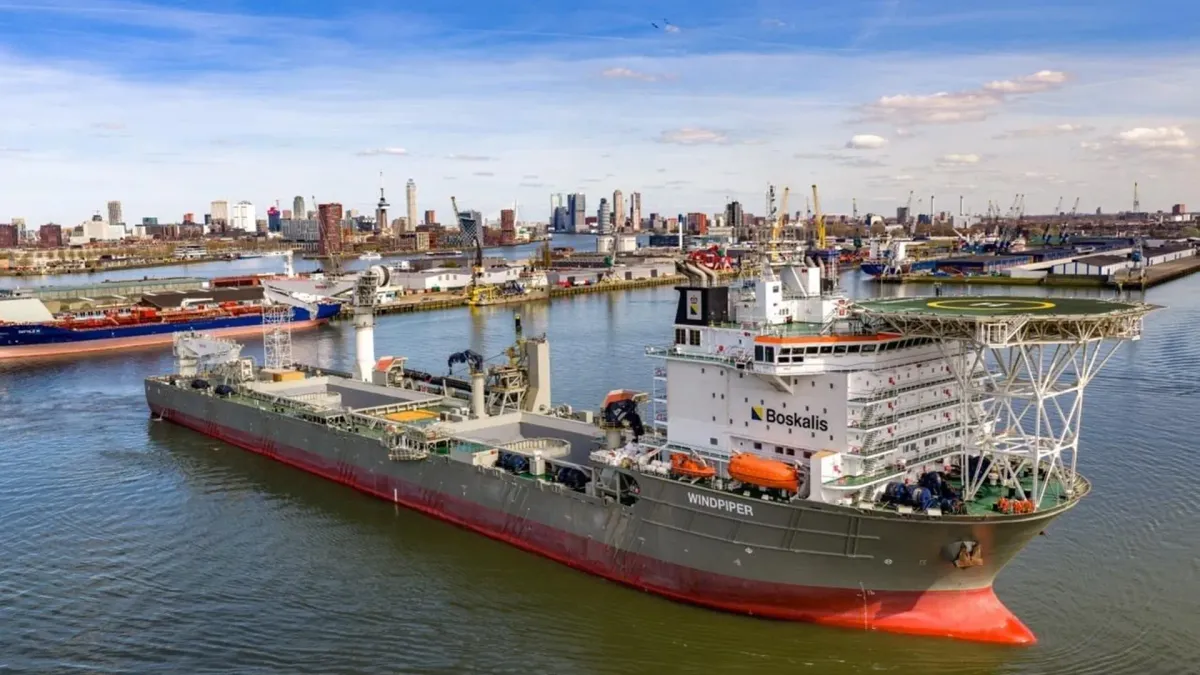
Imagine a ship so large it could carry the equivalent of 45,500 tons of your questionable life choices. That, my friends, is the Windpiper, the world's largest subsea rock installation (SRI) vessel, and it just docked in Rotterdam for its final glow-up before hitting the open ocean. Because apparently, even ships need a last-minute spa day.
This behemoth, stretching 745 feet (that's longer than two football fields, for those keeping score at home) and 131 feet wide, arrived in early April 2026. It's now undergoing its finishing touches in the Waalhaven harbor before heading out to its first mission.
The Ultimate Underwater Architect
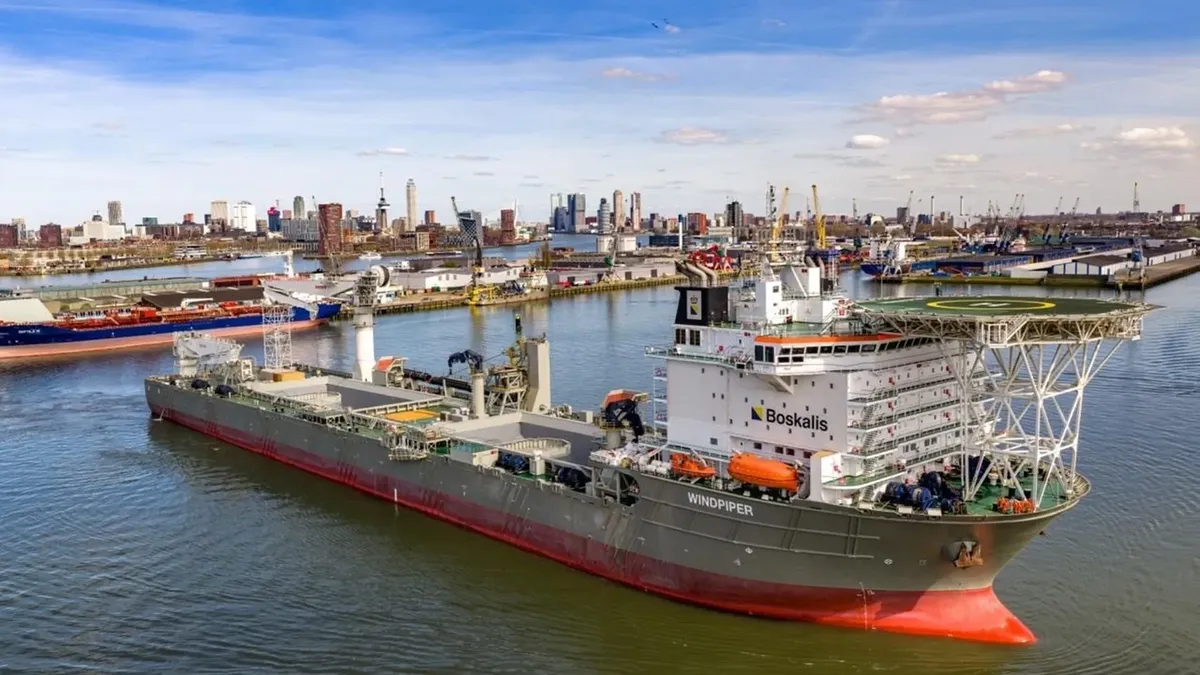
Built by Boskalis, the Windpiper isn't just big; it's a marvel of marine engineering. Originally an entirely different kind of ship, it underwent a full-body transformation into this specialized rock-dropping titan. Think of it as a extreme home makeover, but for a 45,500-ton vessel.
We're a new kind of news feed.
Regular news is designed to drain you. We're a non-profit built to restore you. Every story we publish is scored for impact, progress, and hope.
Start Your News DetoxIts main party trick? Two massive rock holds and an inclined fall pipe that, along with a 'moonpool' (which sounds way cooler than it probably is), allows it to precisely deposit rocks onto the seafloor. This is crucial for protecting underwater infrastructure, like the foundations of offshore wind turbines. Because nobody wants a wobbly wind turbine.
The ship also boasts over 31,000 kilowatts of power and seven thrusters, all backed by Dynamic Positioning Class 2 (DP2) certification. Which means it can hold its position with unnerving accuracy, even if one of its systems decides to take a coffee break. Because apparently, that's where we are now with ship navigation.
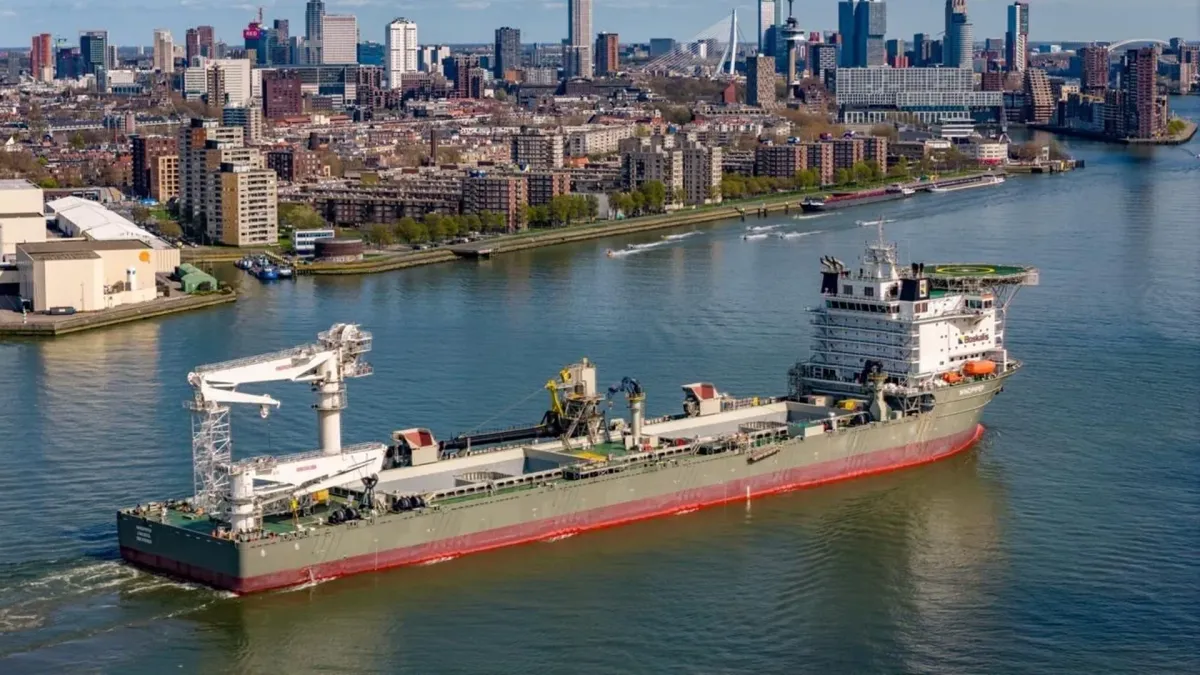
Boskalis says the Windpiper is built for the kind of rough offshore conditions that would make most of us reach for a Dramamine. It's set to significantly boost their presence in this niche market, joining three other SRI vessels that probably feel a bit inadequate right about now.
Long Haul, Less Emissions
After its final commissioning, the Windpiper is off to the Baltic Sea for its inaugural assignment later this year. Its immense capacity, split between those two holds, is particularly useful for projects where rock loading sites are far from the actual offshore installation. Think the North American East Coast or the Southern North Sea – places where you really don't want to be making extra trips.
Fewer trips mean fewer emissions and lower costs per volume of rock installed, which is a win for both the environment and the accountants. And because even rock-slinging crews need their creature comforts, the vessel offers over 100 single-occupancy cabins. Because nothing says "teamwork" like everyone having their own private space after a long day of… well, slinging rocks.
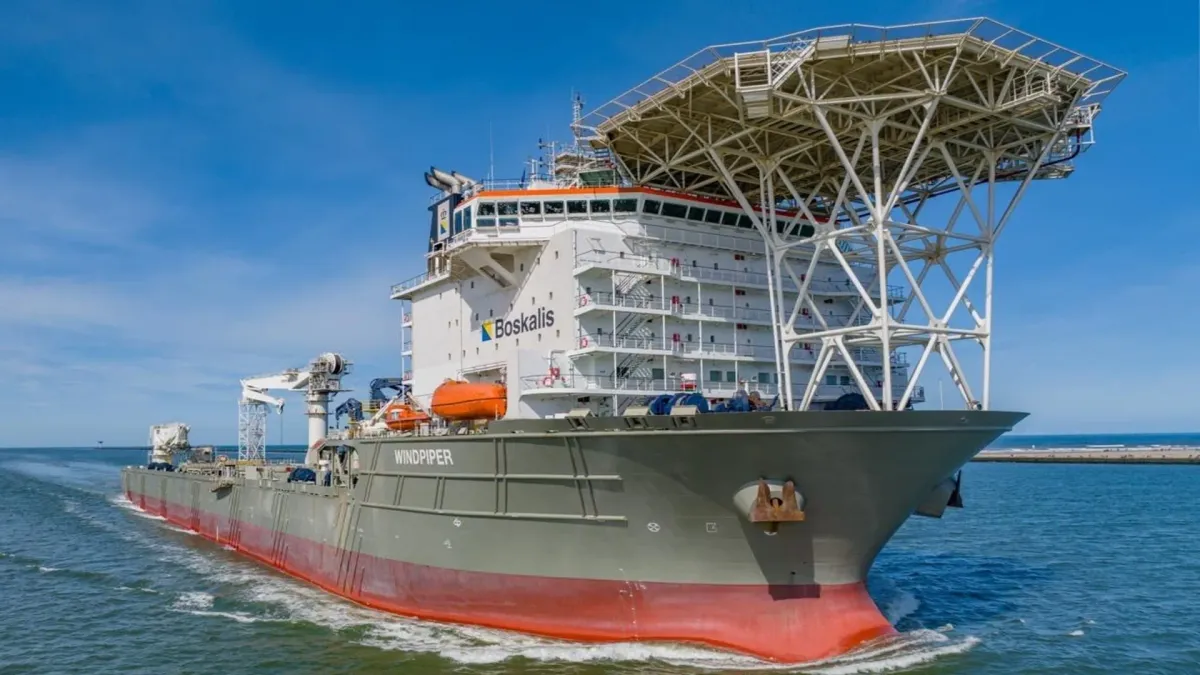
Boskalis often repurposes existing vessels, a move that's both sustainable and gets these specialized ships into service faster. It's a testament to ingenuity, giving old ships new, rock-solid purposes. The company extended a hearty thanks to its team, wishing the crew success with the final commissioning in Rotterdam. May their rocks always fall true.