Turns out you can teach an old dog new tricks. Especially if that dog is a 104-year-old BMW factory in Munich, and the trick involves a cool $750 million, a small army of robots, and a complete pivot to electric vehicles.
By 2027, the venerable Munich plant, which has been churning out gasoline-powered vehicles for over a century, will be exclusively producing EVs. Because apparently that's where we are now: making century-old factories learn new tricks.
The Future Is Now, and It's Automated
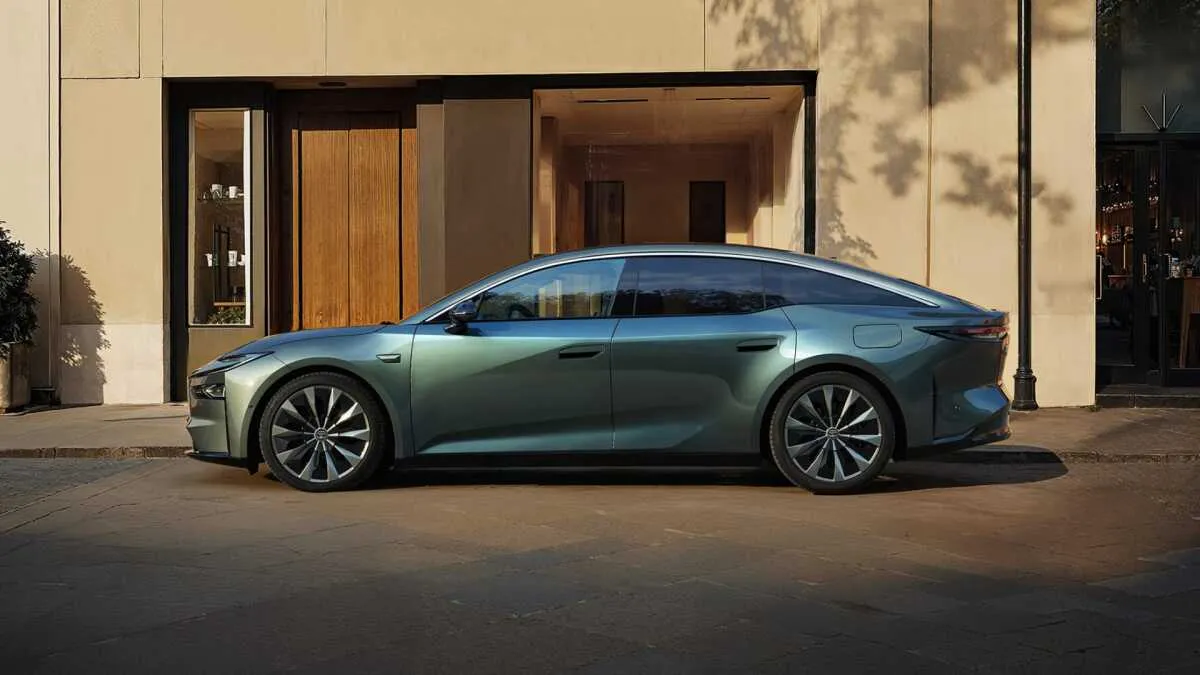
The hefty investment is all for BMW's new "Neue Klasse" range, kicking off with the all-electric BMW i3 sedan in August 2026. Milan Nedeljković, a BMW board member, noted the company has been "rigorously preparing," which is corporate speak for "we've been moving mountains while simultaneously building new ones."
We're a new kind of news feed.
Regular news is designed to drain you. We're a non-profit built to restore you. Every story we publish is scored for impact, progress, and hope.
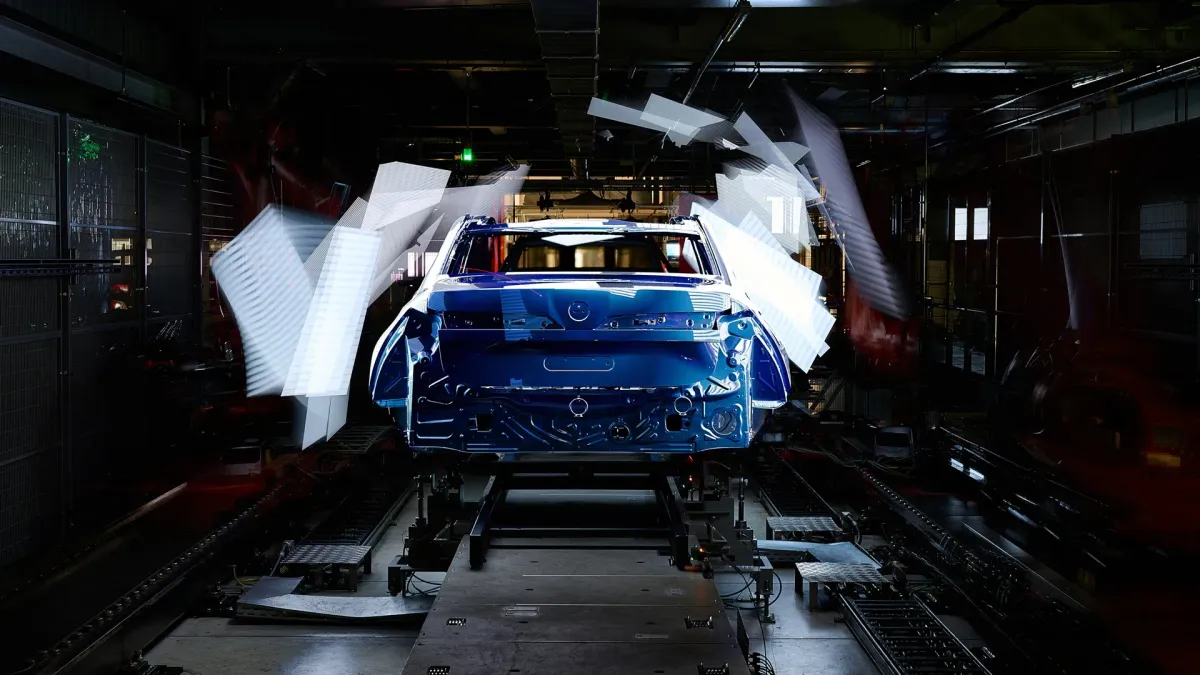
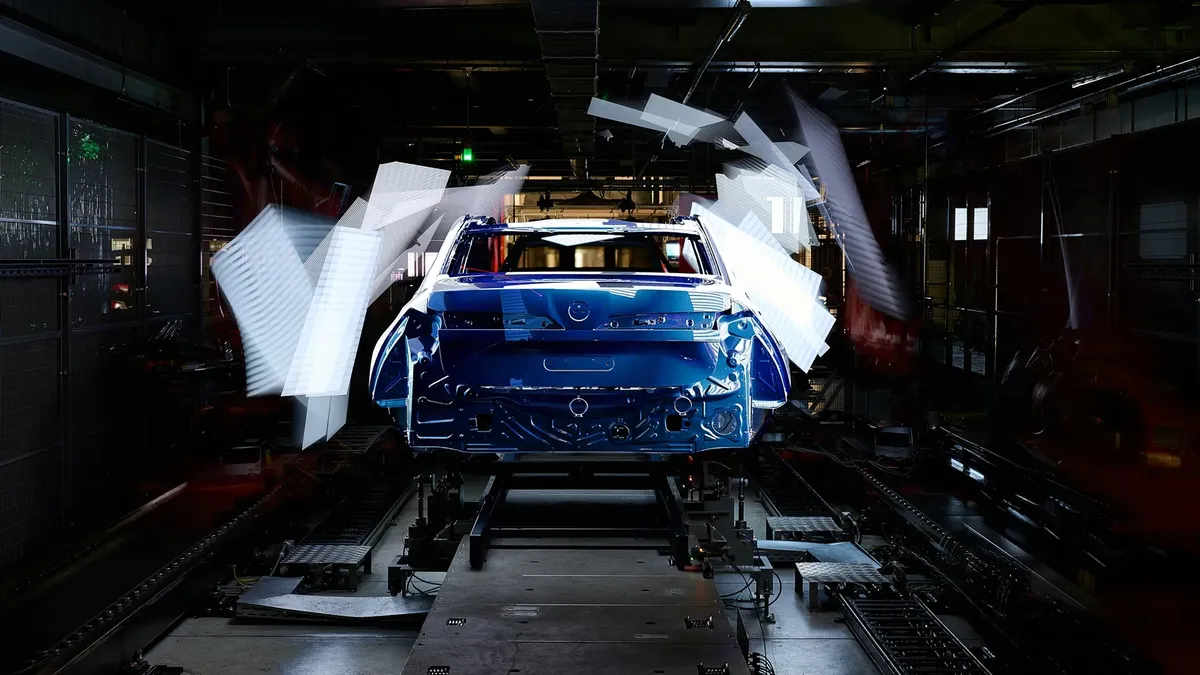
Start Your News DetoxThis isn't just a swap-out; it's a full-blown technological overhaul. We're talking new technologies, digital tools, and AI woven into the very fabric of production. The new body shop for the i3? It's basically a robot rave, with 800 automatons handling 98% of the work. And in the paint shop, AI and cameras are on constant patrol, sniffing out even the most microscopic imperfections. Because if your car isn't perfect, what even is the point?
Each new BMW i3 will beam real-time data on up to 20,000 features back to the production system. That's a lot of data. Meanwhile, the logistics team, which currently juggles 2.5 million parts daily, will soon see 70% of those parts ferried directly to assembly stations by robots and self-driving transport systems. The future, it seems, is less human, more precisely timed machine.
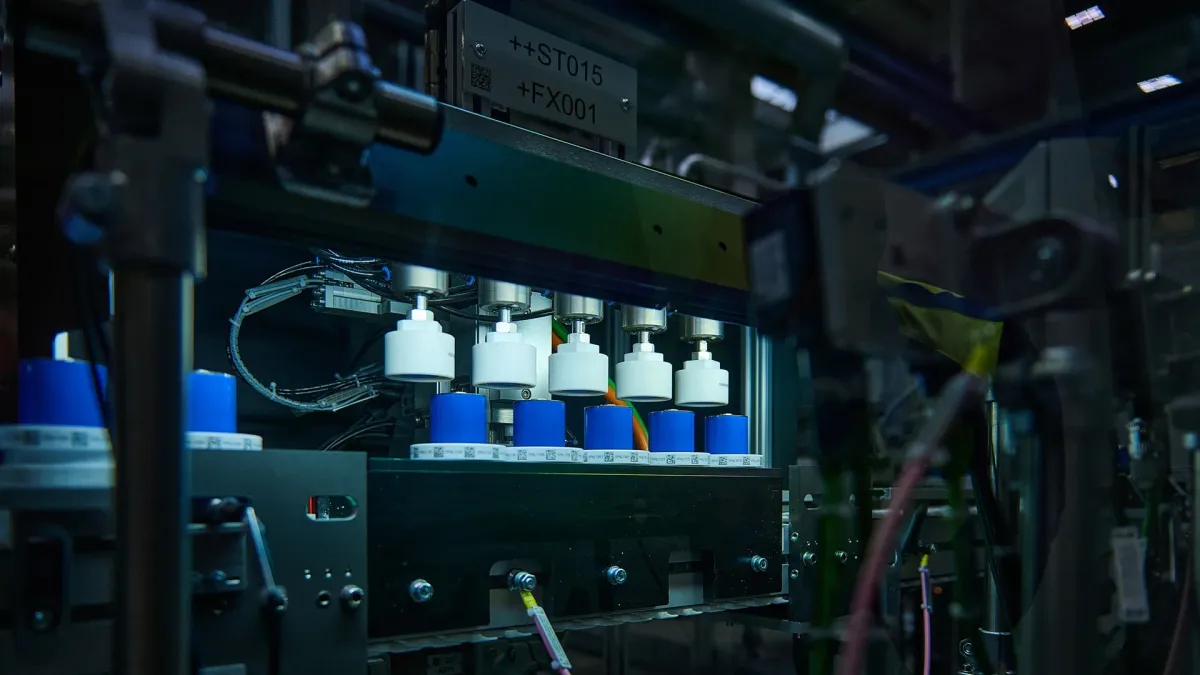
What's truly wild is that through all this construction and transformation, the plant has kept pumping out up to 1,000 vehicles a day. Which, if you think about it, is both impressive and slightly terrifying.
BMW expects these changes to slash production costs by another 10% for the i3, bringing them below the current vehicle generation. Turns out, efficiency, sustainability, and a whole lot of robots can really make a difference. The high-voltage batteries will come from a nearby Bavarian facility, and electric drive units from Austria, all monitored with quality checks, digital twins, and AI. Because if you're going to go electric, you might as well go all in.