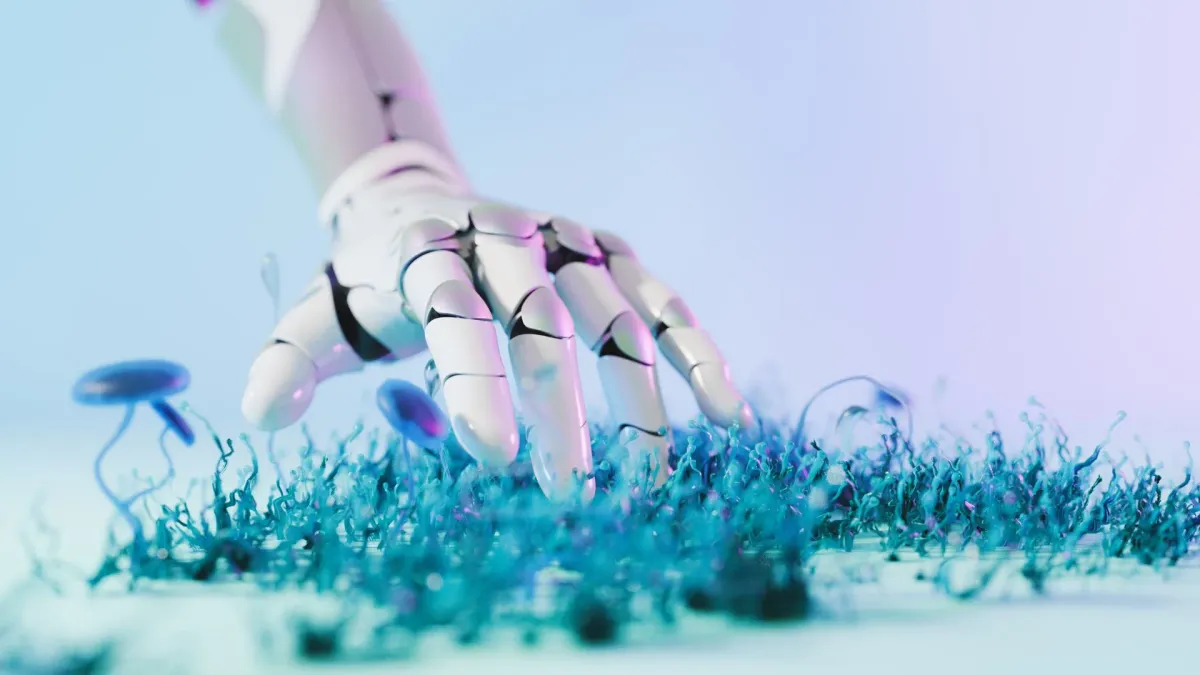
Turns out, even robots get a bit finicky about the weather. Standard soft robots, for all their squishy, gentle charm, tend to seize up or simply give up the ghost when faced with the kind of extreme temperatures and vacuum conditions you find in space. Which is a bummer, because soft robots are light, adaptable, and generally less likely to accidentally crush a delicate satellite than their clunky, metallic cousins.
But now, a team of researchers has cooked up a new kind of robot muscle that can shrug off conditions from a bone-chilling -40°F to a scorching 248°F. That's a range that would make most humans (and quite a few machines) just curl up and cry. It's all thanks to some seriously clever silicone.
The Secret Sauce: UV Light and Platinum
These new muscles are a type of "dielectric elastomer actuator" (DEAs). Basically, they're soft, flexible components that convert electrical energy directly into movement. Think of them as artificial muscles. The problem? They historically haven't been reliable enough for the truly wild frontiers.
We're a new kind of news feed.
Regular news is designed to drain you. We're a non-profit built to restore you. Every story we publish is scored for impact, progress, and hope.
Start Your News DetoxThe breakthrough came from a new way to strengthen silicone. The scientists blasted it with ultraviolet light and added a platinum catalyst. This chemical one-two punch created tougher, more resilient bonds within the material, making it incredibly durable without sacrificing its flexibility.
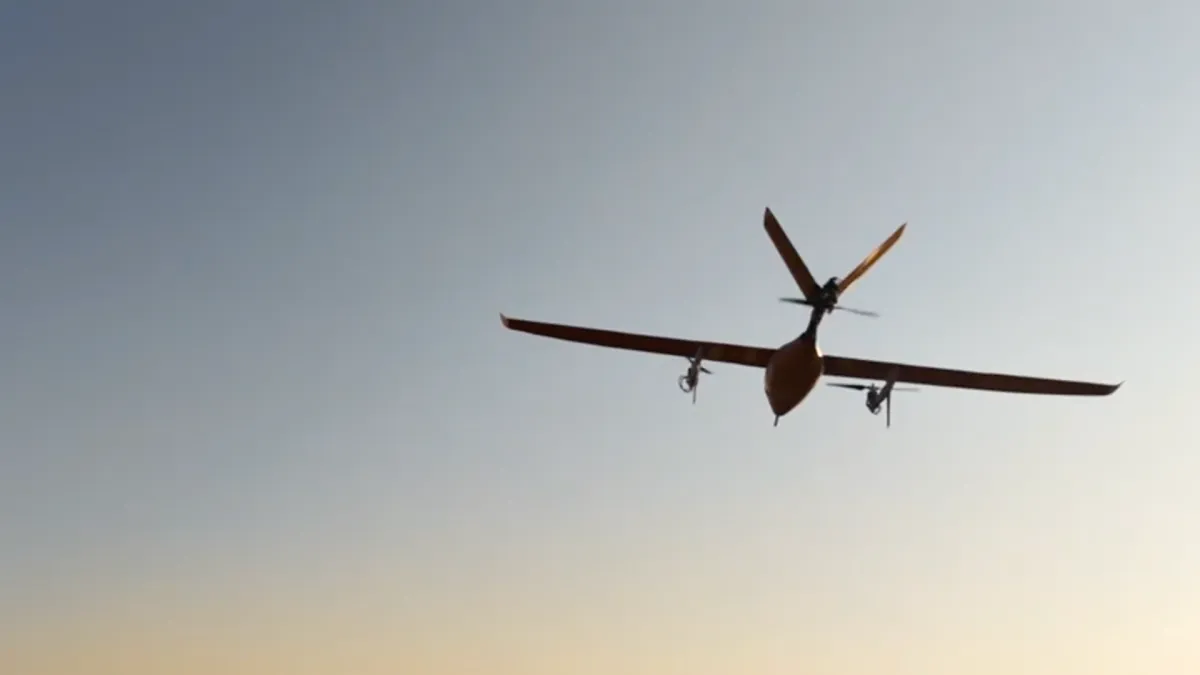
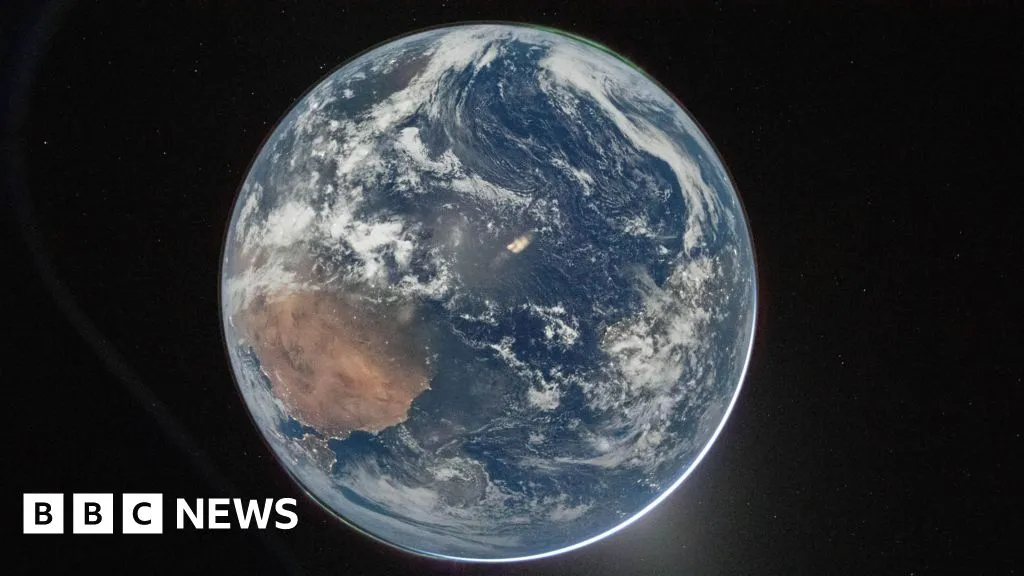
This isn't just lab talk. They put these souped-up silicone muscles into soft robotic grippers and sent them sky-high on high-altitude balloons. These aren't your average party balloons; they soared over 14 miles into the stratosphere, where temperatures plummet and the air pressure drops to near-vacuum levels.
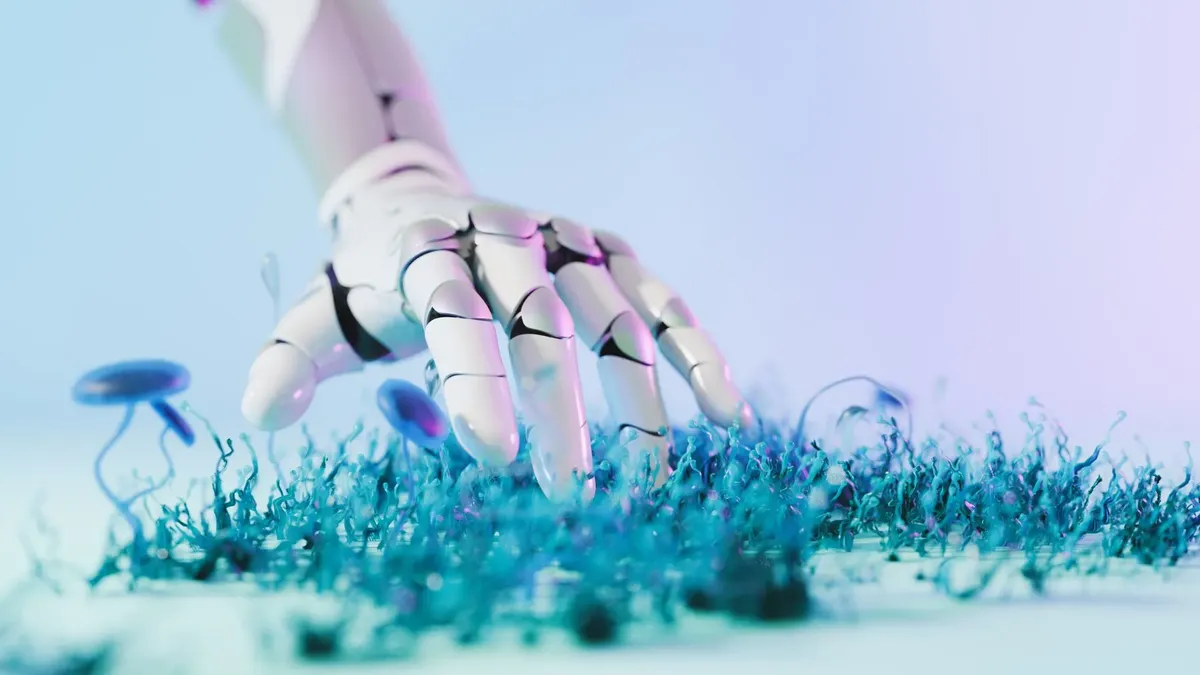
And the grippers? They worked perfectly. Let that sink in: soft robot parts, functioning flawlessly in conditions that are essentially a dress rehearsal for space.
This isn't just about space exploration (though that's pretty cool). This method for fortifying silicone could make other flexible materials stronger, paving the way for soft robots to venture out of controlled labs and into all sorts of challenging, real-world environments. Because apparently, even robots deserve to go where no robot has gone before.