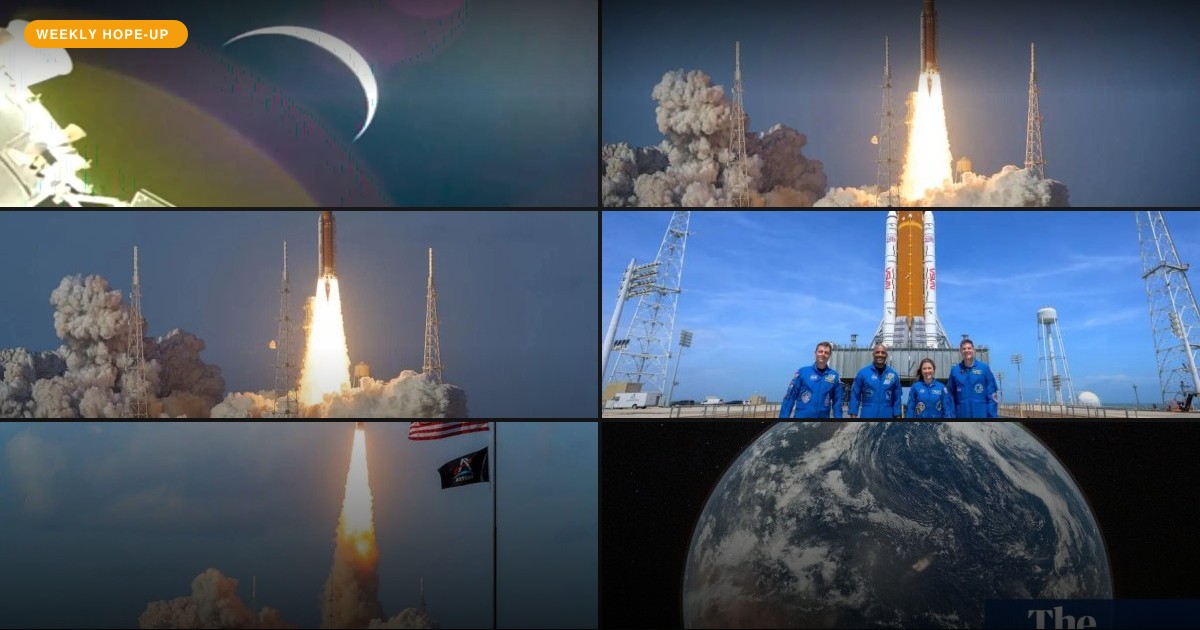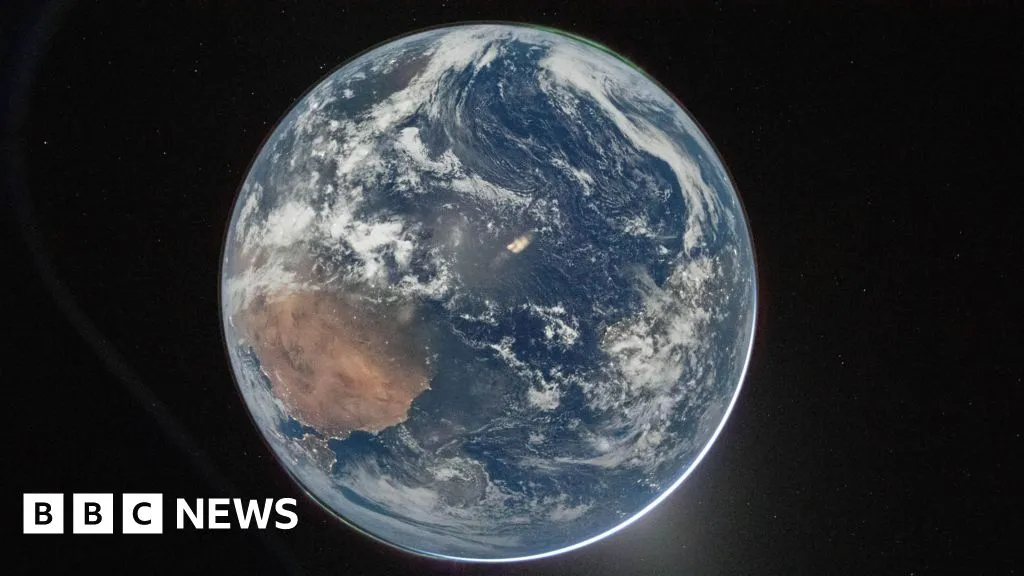
Imagine being further from home than any human has ever been, with a constant lifeline to mission control back in Houston. Now imagine that lifeline just… vanishing. For 40 minutes.
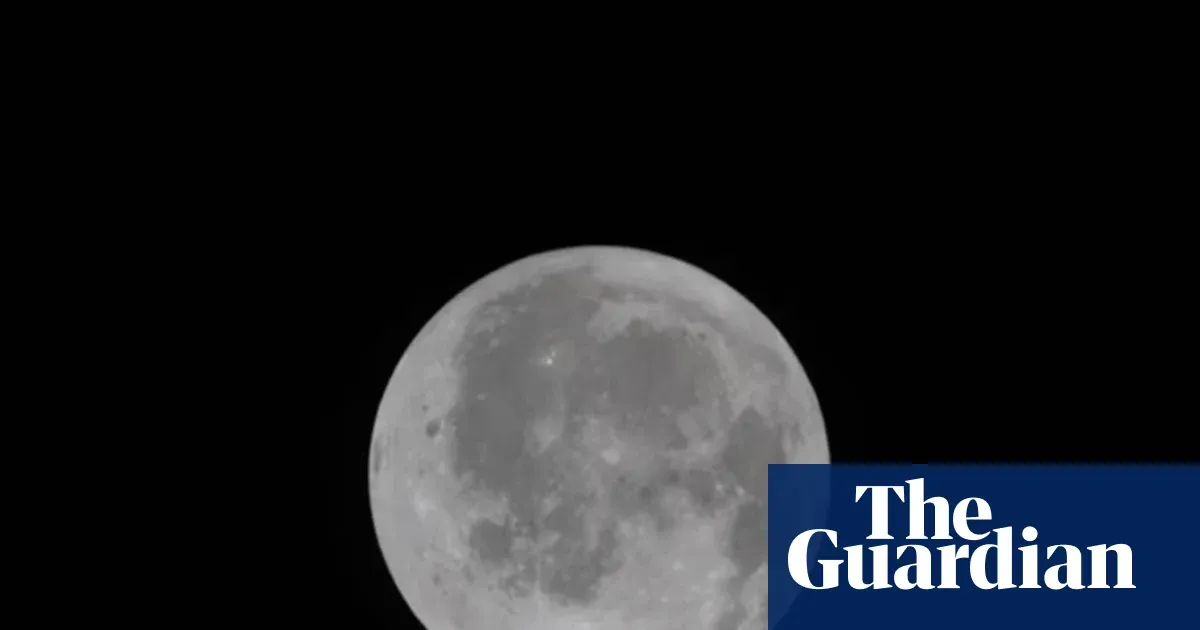
That's the plan for the Artemis II astronauts as their Orion capsule swings behind the Moon. At approximately 23:47 BST (18:47 EDT) on Monday, the Moon itself will block their signals. No Earth contact, no mission control chatter, just four humans sailing through the silent dark.
Artemis pilot Victor Glover hopes the world uses this brief, unsettling silence for good. "When we're behind the Moon, out of contact with everybody, let's take that as an opportunity," he told BBC News. "Let's pray, hope, send your good thoughts and feelings that we get back in contact with the crew."
We're a new kind of news feed.
Regular news is designed to drain you. We're a non-profit built to restore you. Every story we publish is scored for impact, progress, and hope.
Start Your News DetoxEchoes of Apollo's Eerie Quiet
This isn't humanity's first dance with lunar radio silence. Over 50 years ago, Apollo astronauts experienced the same eerie isolation. Nobody felt it quite like Michael Collins, the often-overlooked third member of Apollo 11.
While Neil Armstrong and Buzz Aldrin were busy making giant leaps on the lunar surface in 1969, Collins orbited alone. Every time his command module dipped behind the Moon's far side, he lost contact with both his moon-walking crewmates and Earth for 48 minutes. In his 1974 memoir, Carrying the Fire, he described feeling "truly alone" and "isolated from any known life." Which, if you think about it, is an excellent way to put it.
Yet, he didn't feel fear. He found a strange peace in the quiet, a welcome break from the constant stream of requests from mission control. Because even in space, sometimes you just need to disconnect.
Back on Earth, the upcoming blackout will be a white-knuckle moment. At the Goonhilly Earth Station in Cornwall, England, a massive antenna tracks the Orion capsule. Matt Cosby, Goonhilly's chief technology officer, admitted they'll be nervous as the signal drops, then "excited when we see it again." This is their first time tracking a crewed spacecraft, so the stakes are, well, lunar.
The Future of Not Being Alone
The good news? These blackouts will soon be a relic of a more primitive spacefaring era. Cosby says continuous communication is "vital" for NASA and other agencies planning Moon bases and deeper exploration. For a sustainable presence, you need 24-hour coverage, even on the mysterious far side.
Programs like the European Space Agency's Moonlight are already planning a network of satellites around the Moon to provide exactly that: continuous, reliable comms. Because apparently, even astronauts need Wi-Fi.
For the Artemis II crew, this brief, forced disconnection is an opportunity. They'll use the blackout for focused lunar observation, snapping images, studying geology, and just generally soaking in the view. When they re-emerge, and Earth's signals return, a collective sigh of relief will ripple across the globe. Then they'll share their incredible, once-in-a-lifetime views with everyone back home. Because some things are just too good not to share.