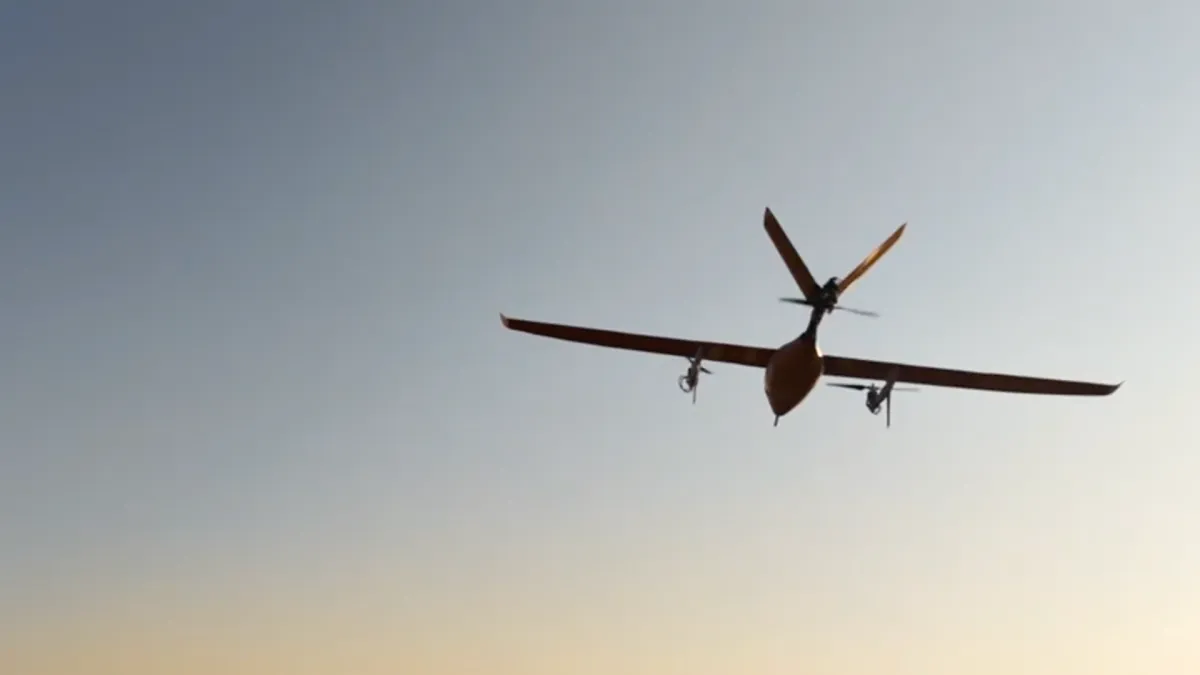
For years, the dream of a truly eco-friendly drone bumped up against a rather… vibrating problem. See, bamboo is cheap, sustainable, and grows like a weed, making it an ideal material for drone frames. The catch? It vibrates at a low frequency (8–20 hertz), and standard drone brains just couldn't handle the shimmy. It was like trying to teach a squirrel to tap dance — all enthusiasm, no stability.
Enter a team from Northwestern Polytechnical University in China, who decided enough was enough. They didn't just build a better bamboo drone; they essentially gave it a whole new nervous system.
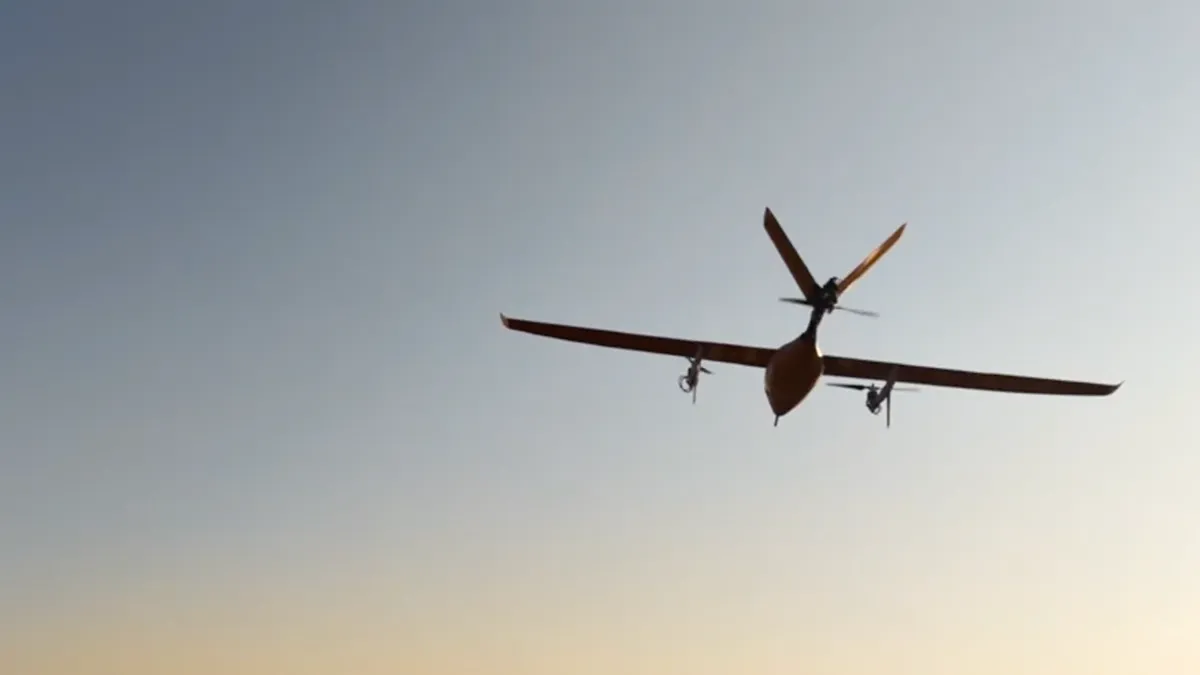
They whipped up a custom flight control system, complete with a new control board boasting an industrial-grade chip and a dual sensor setup. But the real magic happened in the software. They rewrote the code from scratch, specifically to understand and counteract bamboo's natural wobble.
We're a new kind of news feed.
Regular news is designed to drain you. We're a non-profit built to restore you. Every story we publish is scored for impact, progress, and hope.
Start Your News DetoxThe Secret Sauce: Smarter Software
This isn't just a tweak; it's a full-on brain upgrade. The new system uses something called an extended Kalman filter (which sounds like a character from a spy novel, but is actually a clever algorithm) and leans into bamboo's own natural damping abilities. The result? Control delays slashed from a sluggish 15–20 milliseconds down to a snappy 8–10 milliseconds. That's the difference between a drone that feels like it's thinking about flying, and one that just flies.
Tian Wei, a senior engineer on the project, confirmed that both the software and hardware designs are open-source. So, if you've got a hankering to build your own eco-friendly aerial observer, the blueprints are out there. No need to be a coding wizard; you can adapt it without rewriting the core algorithms.
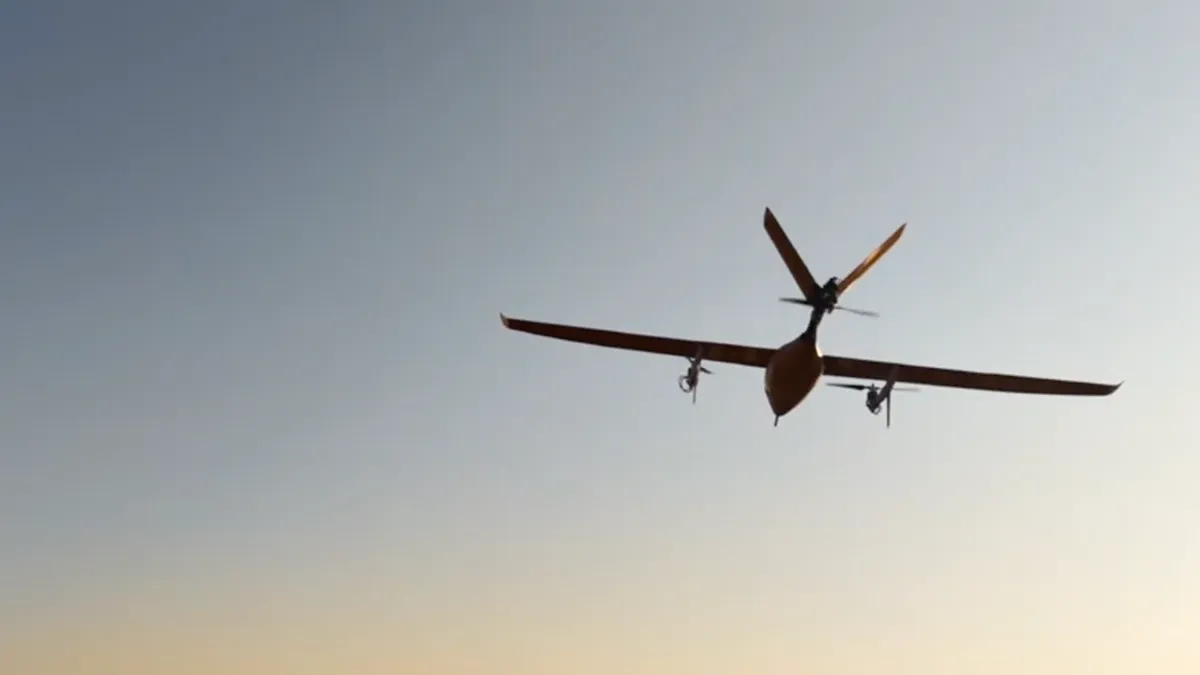
This means we could soon see bamboo drones everywhere from monitoring forests to educating the next generation of engineers. Because apparently, the future of flight isn't just about speed and altitude; it's also about sustainability and not getting the shakes. Which, if you think about it, is a pretty solid upgrade.