Imagine a world where your phone is lighter, but somehow also 26% tougher after you drop it. Now, apply that logic to rockets, planes, and drones. That's essentially what scientists in China just pulled off with a new composite material.
They didn't just tweak an existing recipe; they challenged sixty years of aerospace material science. The secret sauce? A technique called "balanced lay-up," which sounds like a yoga pose but is actually about stacking fiber layers symmetrically and at opposing angles. The result? A material that's not just 26% stronger, but also improves joint performance by 13% and — bless its heart — warps less during manufacturing. Because apparently, even high-tech materials get stressed.
Lighter, Stronger, Less Warped: A Win-Win-Win
For anyone looking to send things into orbit, weight is the ultimate enemy. Every extra kilogram requires a small fortune in fuel. So, a material that makes spacecraft lighter and stronger could dramatically cut launch costs and let us send more stuff to space. Which, if you think about it, is both impressive and slightly terrifying.
We're a new kind of news feed.
Regular news is designed to drain you. We're a non-profit built to restore you. Every story we publish is scored for impact, progress, and hope.
Start Your News DetoxIt also means designers get more freedom. Think sleeker fuselages, tougher wings, and load-bearing panels that can handle more stress without packing on the pounds. And for drones? Lighter, stronger frames mean longer flights, which is pretty handy if you're trying to deliver a package across a continent or, you know, just surveil things from a very, very long distance.
The team from the Institute of Mechanics at the Chinese Academy of Sciences believes this material will be a game-changer for aerospace, especially as the new space race heats up. Both China and the US are gunning for Moon landings by 2030, and every ounce counts.
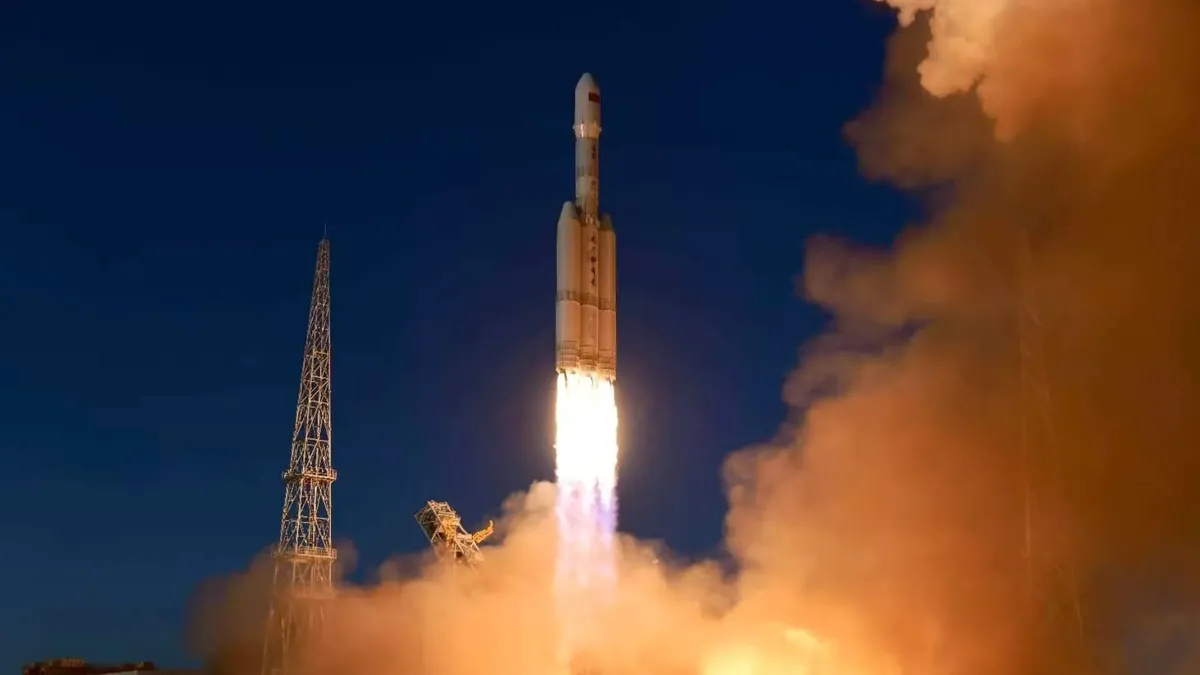
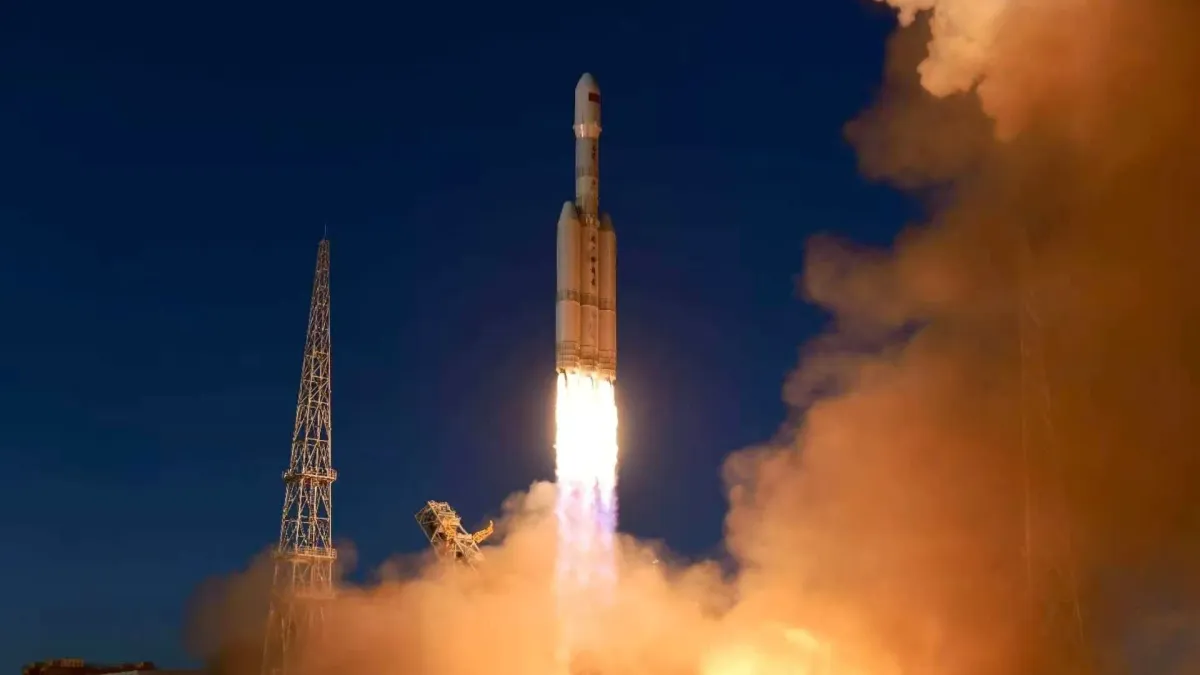
While NASA's Artemis II preps its lunar ambitions, China has been busy testing its Lanyue lunar lander and the Mengzhou crew capsule's escape system. They're also making waves in commercial space, with CAS Space's Kinetica-2 Y1 rocket launching at a cost comparable to SpaceX's Falcon 9 (even without reusability). Drop a 26% stronger, lighter material into that equation, and watch those launch costs plummet even further. Because who doesn't love a cheaper ticket to the Moon?