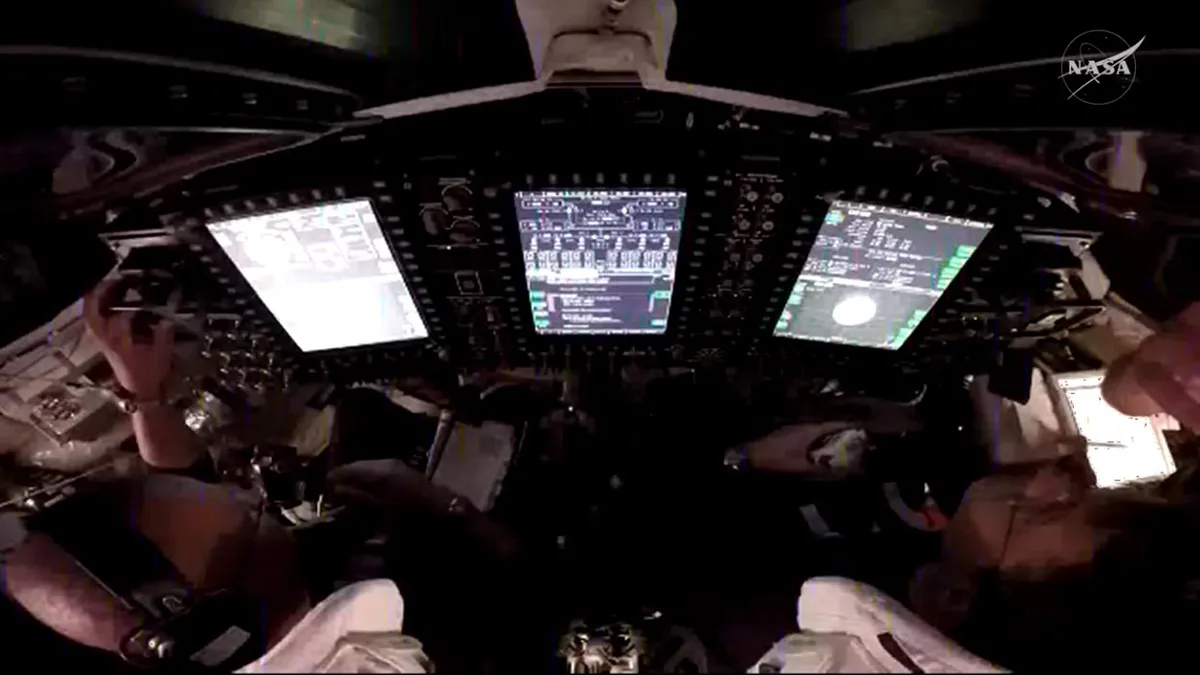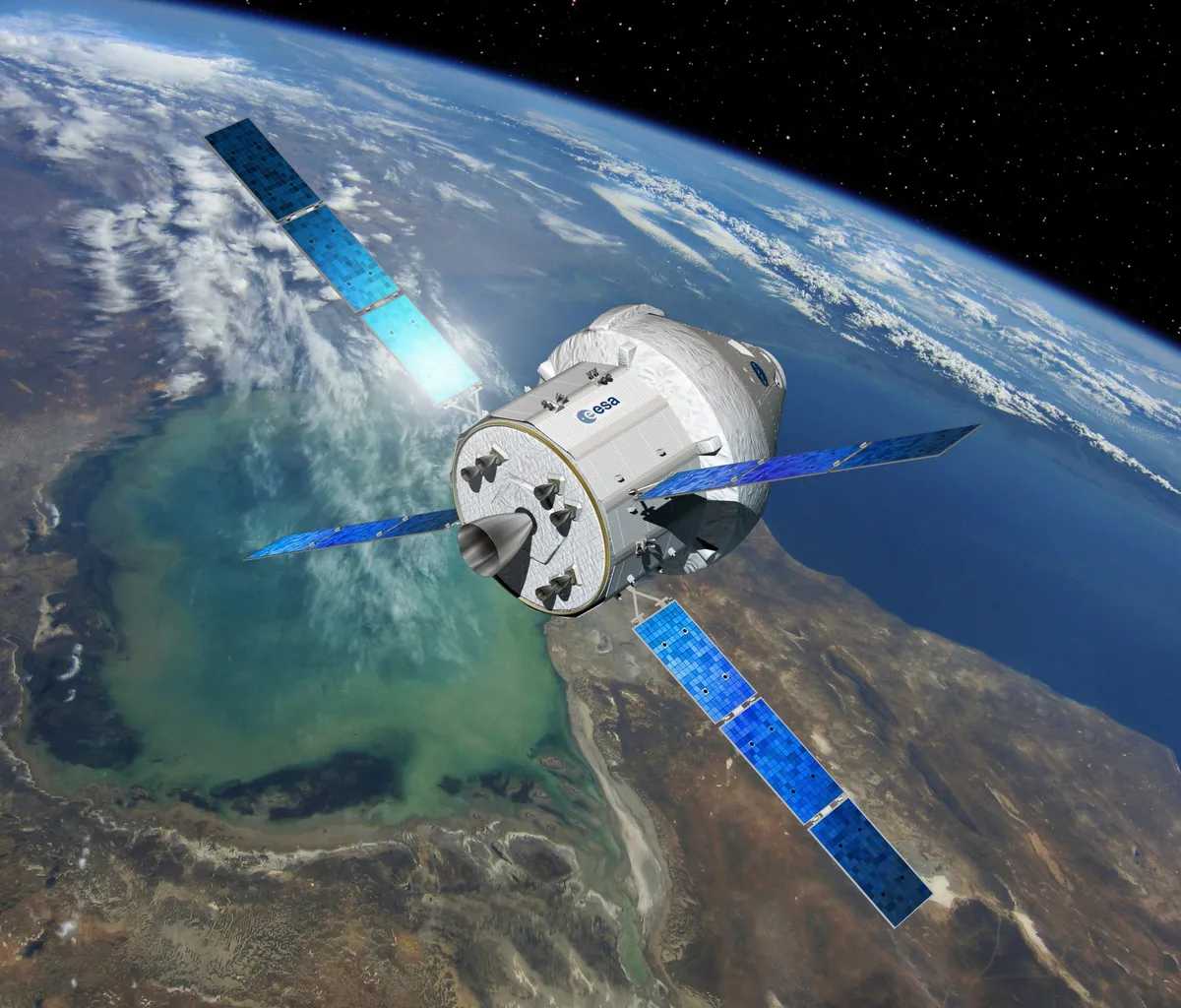
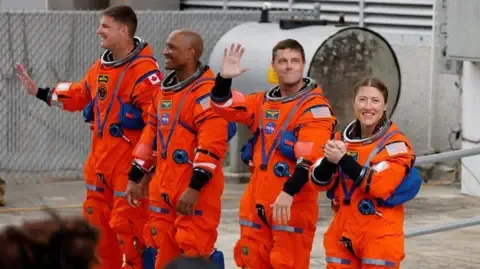
The four astronauts on the Artemis II mission have left Earth's orbit. Their Orion spacecraft fired its main engine for a final push toward the Moon.
This five-minute, 55-second engine burn is called the translunar injection (TLI). Dr. Lori Glaze of NASA said it went "flawlessly."
Canadian astronaut Jeremy Hansen reported from the Orion capsule that the crew was "feeling pretty good up here on our way to the Moon."
We're a new kind of news feed.
Regular news is designed to drain you. We're a non-profit built to restore you. Every story we publish is scored for impact, progress, and hope.
Start Your News DetoxJourney to the Moon
Artemis II is now on a path that will take the crew around the far side of the Moon and back. This is the first time humans have traveled outside Earth's orbit since 1972.
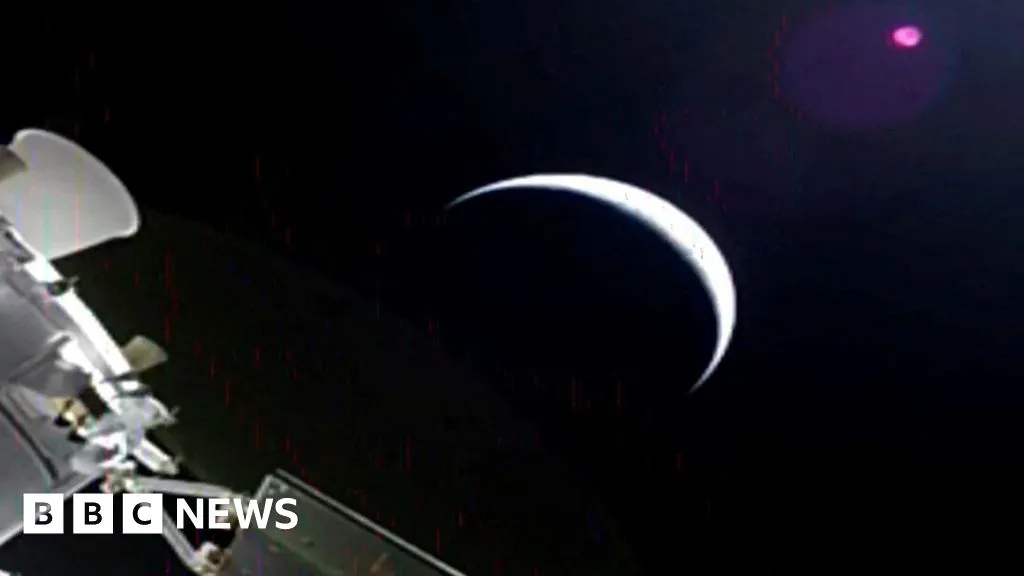
On the livestream from Orion, Earth is slowly getting smaller as the capsule moves further into space.
Hansen, the first non-American to travel to the Moon, told NASA's mission control that the crew "firmly felt the power" of everyone who worked hard on this mission.
"Humanity has once again shown what we are capable of," he said. "It's your hopes for the future that carry us now on this journey around the Moon."
The TLI propelled the spacecraft on a journey that will carry the crew farther from Earth than anyone has been before. They will travel more than 4,700 miles (7,600 km) beyond the Moon. Then, gravity will swing them back.
NASA estimates this could break the record set by Apollo 13 in 1970. This depends on the exact timing and path.
Safety and Views
The TLI is not a point of no return for Orion. Even after the big burn to the Moon, controllers can still turn the spacecraft around. This would bring the crew back to Earth if something goes seriously wrong.
In an emergency, a U-turn is the fastest way home in the first 36 hours after the TLI. After that, it can be just as quick, and often simpler, to stay on course around the Moon and return to Earth. Orion program manager Howard Hu said this before the launch.
He added that the team has "run hundreds of thousands of [simulations] to ensure that we are able to get the crew home safely."
As Orion moves into deep space, the views through its windows will become more inspiring. Earth will shrink to a small blue and white marble behind them. The Moon will grow from a bright disc into a heavily cratered world.
Around the sixth day of the mission, as Orion cruises beyond the Moon, the astronauts will see a total solar eclipse. The Moon will pass directly in front of the Sun, covering its bright face. This will reveal its shimmering halo, with Earth off to one side.
This mission is a big step toward humanity walking on the lunar surface again.