China's AI Frenzy with OpenClaw
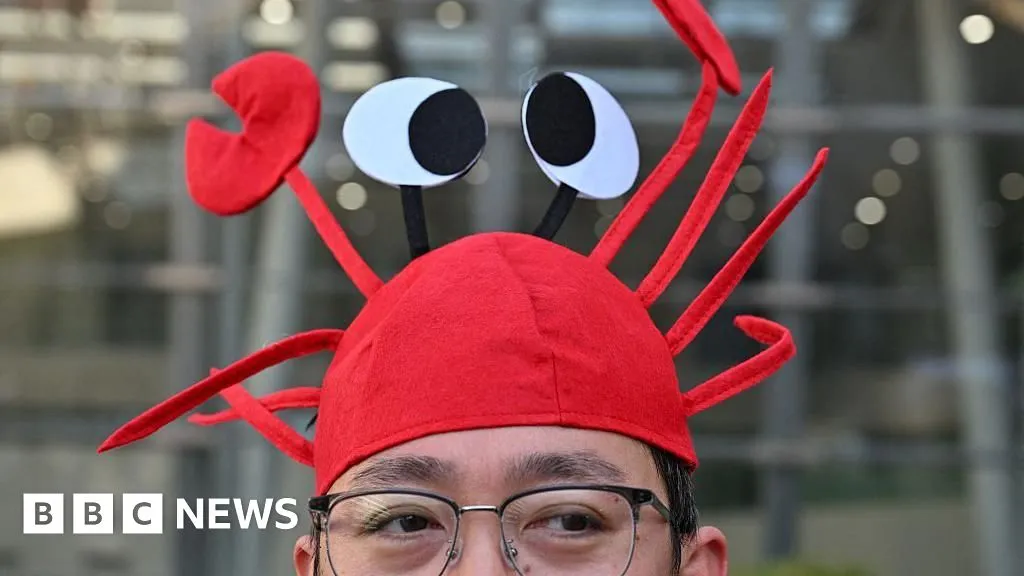
OpenClaw, an AI assistant, caused a sensation in China in March. Users began "raising lobsters," a term for training the tool to fit their specific needs. This excitement highlights China's strong interest in artificial intelligence.
Wang, an IT engineer, was deeply involved with OpenClaw. He even wondered if he was speaking to an AI when a BBC journalist contacted him. Wang explained how he customized OpenClaw's code to create his "lobster." This tool helps him manage his online shop, which sells digital gadgets.
Normally, Wang lists about a dozen products daily. His "lobster" can list up to 200 products in just two minutes. It also writes better descriptions and compares prices with competitors instantly. Wang found this both "scary" and "exciting."
We're a new kind of news feed.
Regular news is designed to drain you. We're a non-profit built to restore you. Every story we publish is scored for impact, progress, and hope.
Start Your News DetoxOpenClaw was developed by Austrian Peter Steinberger. It's built on open-source technology, meaning its code is available for customization. This is a big advantage in China, where Western AI models like ChatGPT are not accessible.
Widespread Adoption and Government Support
The enthusiasm for OpenClaw was "uniquely Chinese," according to Wendy Chang from the MERICS think-tank. Chinese tech giants quickly released apps based on OpenClaw. People lined up at Tencent and Baidu headquarters for free customized versions.

Users found many uses for their "lobsters." Some claimed the tools helped them invest in stocks by analyzing market trends. Others used them for multitasking and saving time. Famous comedian Li Dan and Cheetah Mobile CEO Fu Sheng also shared their experiences with OpenClaw.
China's government has been promoting AI for some time. The success of DeepSeek, another open-source AI platform developed by Chinese engineers, showed the country's drive for innovation. The government sees AI as a key area for growth.
Local governments offered incentives for businesses to use OpenClaw. For example, Wuxi city offered up to five million yuan (about $726,000) for manufacturing applications. Rui Ma, founder of Tech Buzz China, noted that the government sets the pace, and the market follows. This approach is part of China's "AI Plus" strategy, which aims to integrate AI across all industries.
Challenges and Future Outlook
Despite the excitement, challenges have emerged. Users found that interacting with OpenClaw requires spending tokens, leading to costs. Security concerns also arose. Beijing's cybersecurity authorities warned about risks from improper installation and use. Some government agencies have since banned staff from using the tool.
This shift from promoting to restricting OpenClaw shows a common pattern in China's system. Local governments often push tools that align with Beijing's goals, then adjust as problems appear. However, this doesn't mean discouragement from Beijing.
AI startups could help address youth unemployment, which is over 16%. Many government incentives for OpenClaw support "one-person companies," or startups run by individuals with AI help. This targets young people facing a tough job market.
The competition for jobs is intense. A state newspaper commentary warned that not "raising lobsters" in 2026 could mean falling behind. Jason, an IT programmer, noted that his team now only hires people with AI experience.
Wang believes everyone could be replaced by AI, but he remains optimistic. He plans to use AI to find new business opportunities if his current one is taken over by "lobsters."