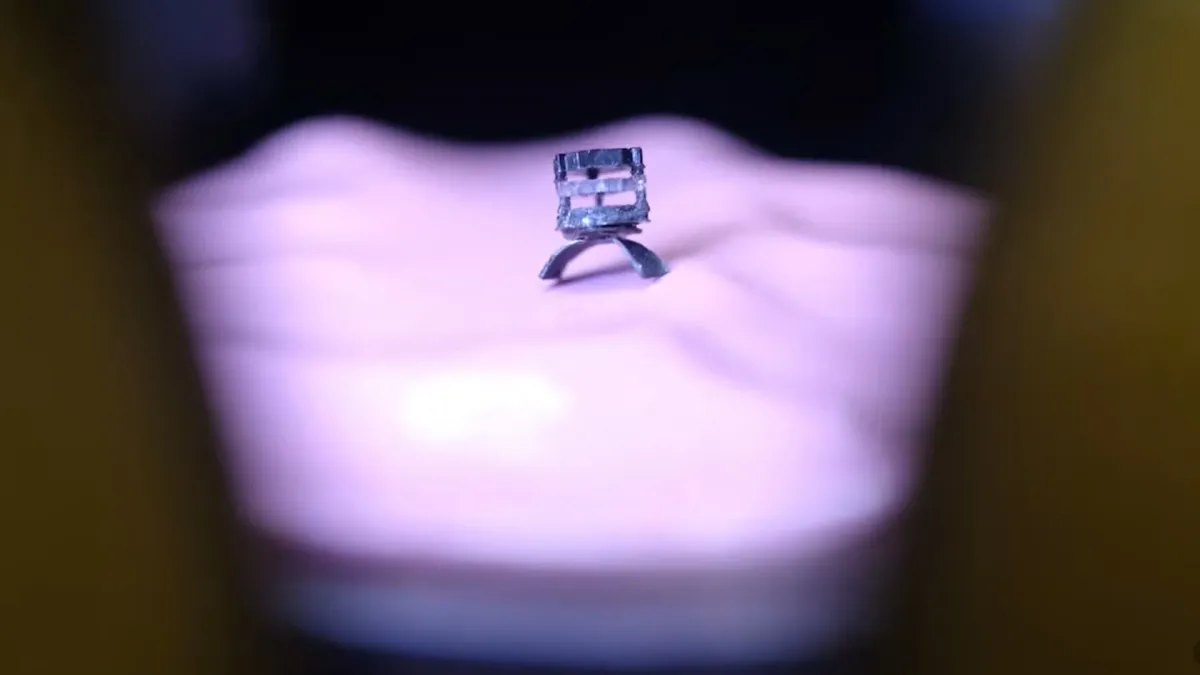
Imagine a surgeon needing to cut, grab, heat, and deliver drugs during a delicate operation. Now imagine them doing all of that with a single, seed-sized robot that changes its function in under a second. Welcome to the future, courtesy of researchers at Nanyang Technological University (NTU) Singapore.
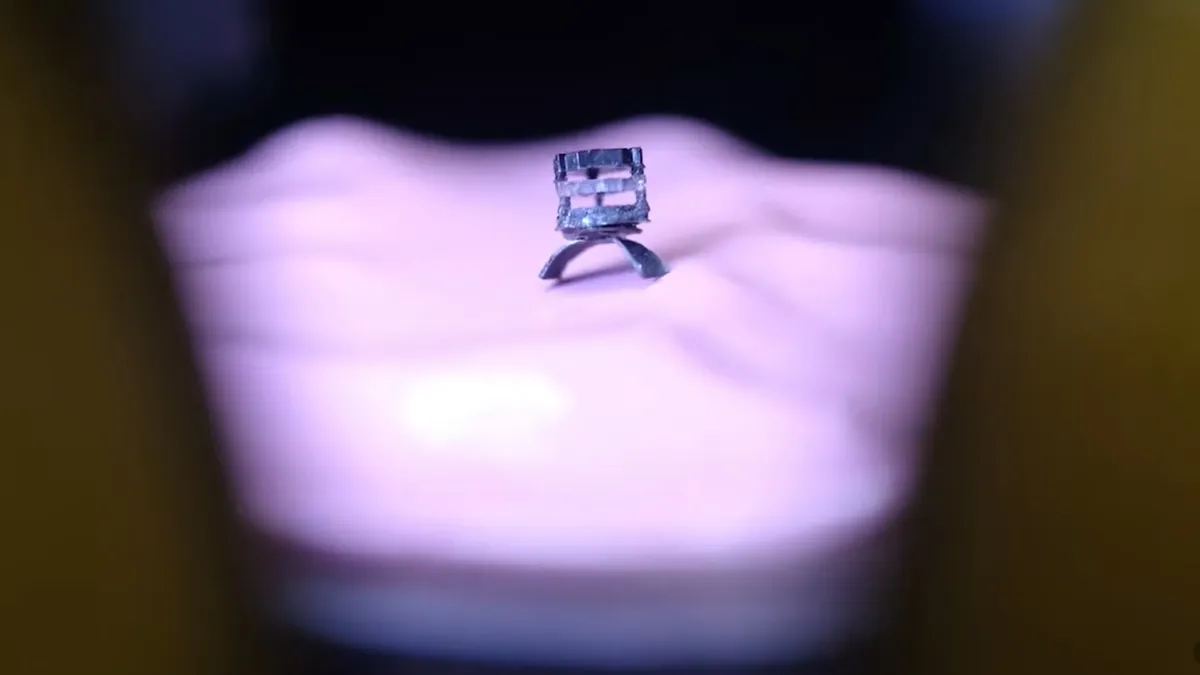
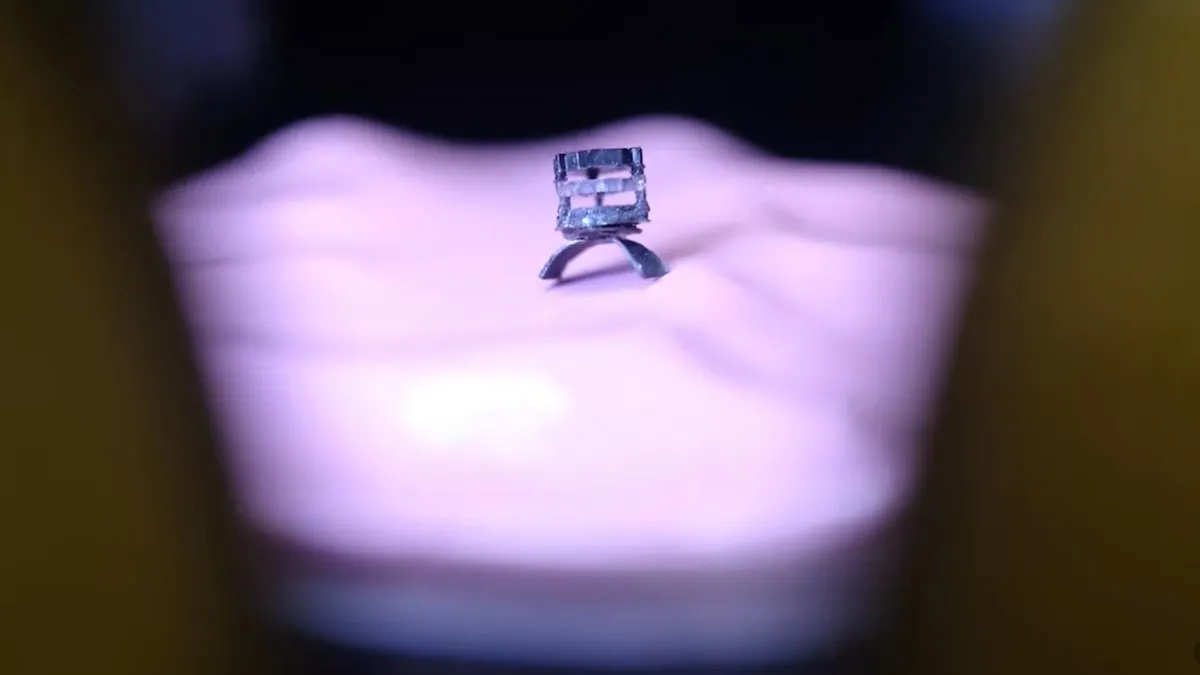
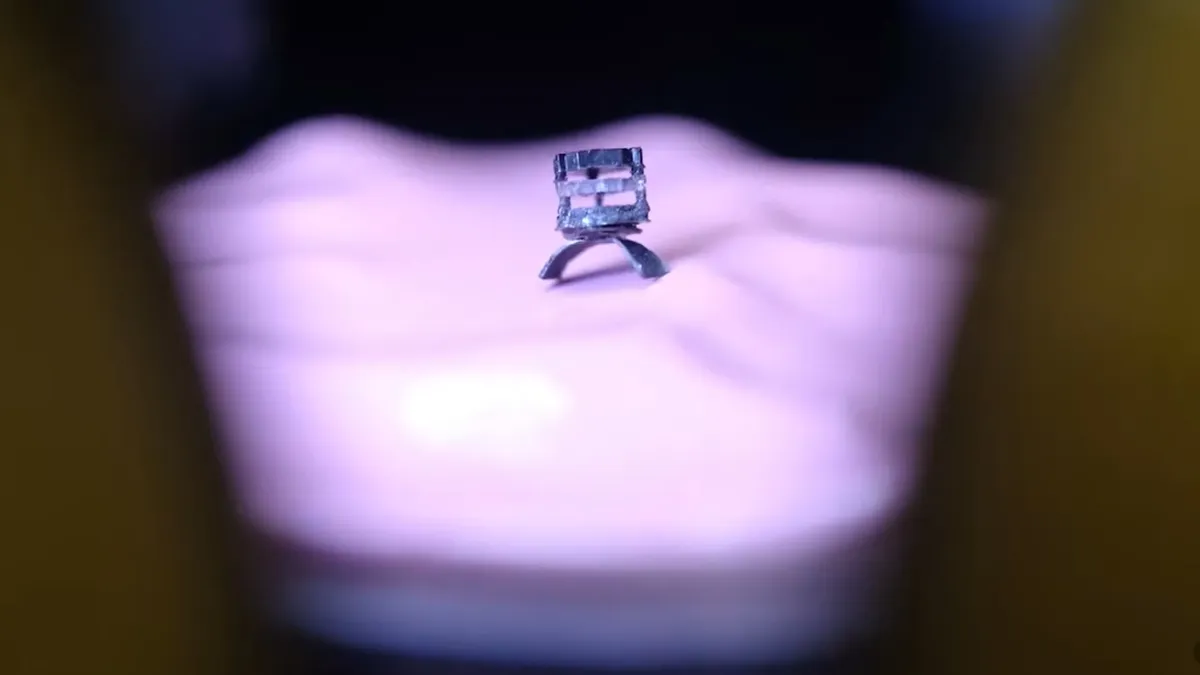
This isn't some clunky contraption. We're talking 4.4 millimeters long — roughly the size of a poppy seed, if that poppy seed could perform five different surgical tasks. Wirelessly controlled by weak magnetic fields, it glides over soft surfaces, snips tissue, drops off meds, snags biopsies, and even generates heat. Because, apparently, one-trick ponies are so last century in micro-robotics.
The Swiss Army Knife of Micro-Surgery
Most tiny magnetic robots are lucky to do one or two things. This NTU device, however, is basically a miniature Transformer. It can switch between its various modes — cutting, grabbing, drug release, heating, and movement — almost instantaneously. Associate Professor Lum Guo Zhan, who led the study, envisions doctors guiding these mini-marvels to precise spots inside the body for targeted treatments.
We're a new kind of news feed.
Regular news is designed to drain you. We're a non-profit built to restore you. Every story we publish is scored for impact, progress, and hope.
Start Your News DetoxThe magic happens thanks to tiny magnetic particles embedded in a soft, silicone-based body. A central magnetic module can be quickly magnetized, demagnetized, and remagnetized in different directions. Each magnetic shift activates a different function, turning the same robot into a multi-tool marvel. And, just to be extra clever, they designed parts of the robot to respond independently, preventing the whole thing from just flopping around like a single magnet. Which, if you think about it, is both impressive and slightly terrifying.
They even added a sixth movement: rolling. Because navigating the human body is less like a highway and more like an off-road adventure, and sometimes you just need to spin around to get where you're going.
Tiny Robot, Big Impact
To prove its mettle, the team put the robot through its paces on chicken liver and gelatin models — essentially, stand-ins for squishy biological tissues. It successfully sliced, released drug-like particles, collected tissue samples, and even generated heat in specific spots. That last bit is particularly interesting, as localized heating could be a boon for magnetic hyperthermia, a promising cancer treatment.
And before you ask, the materials are safe. Over 99% of human skin cells exposed to the robot's components were still happily alive and kicking. The researchers are now exploring how these mini-surgeons could integrate with medical imaging, sensors, and artificial organs. They're even chatting with actual surgeons to figure out how these tiny titans might fit into future medical procedures.
Because it's one thing to make a robot that can do five things in a lab; it's another to safely guide, monitor, and control it inside a living, breathing human. But if they pull it off, the future of minimally invasive surgery might just be the size of a seed. And that's a thought that really sticks with you.