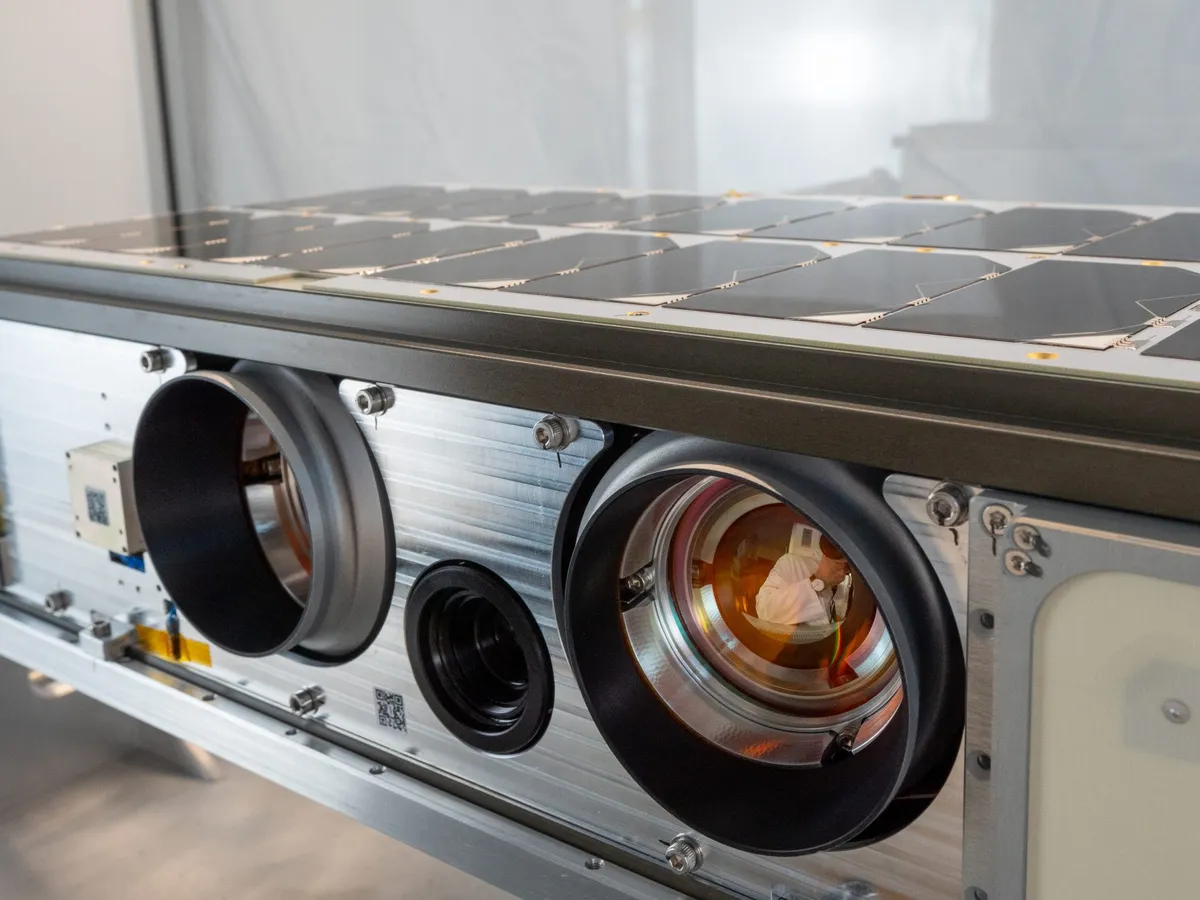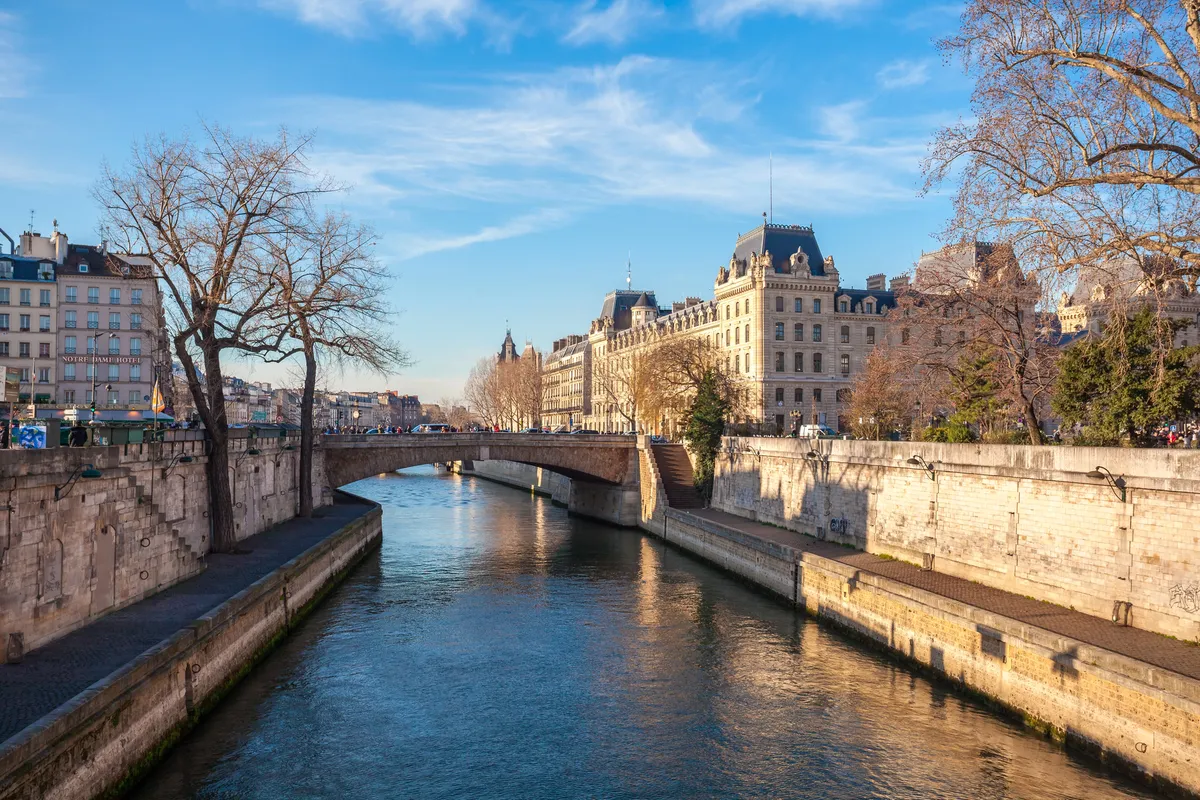
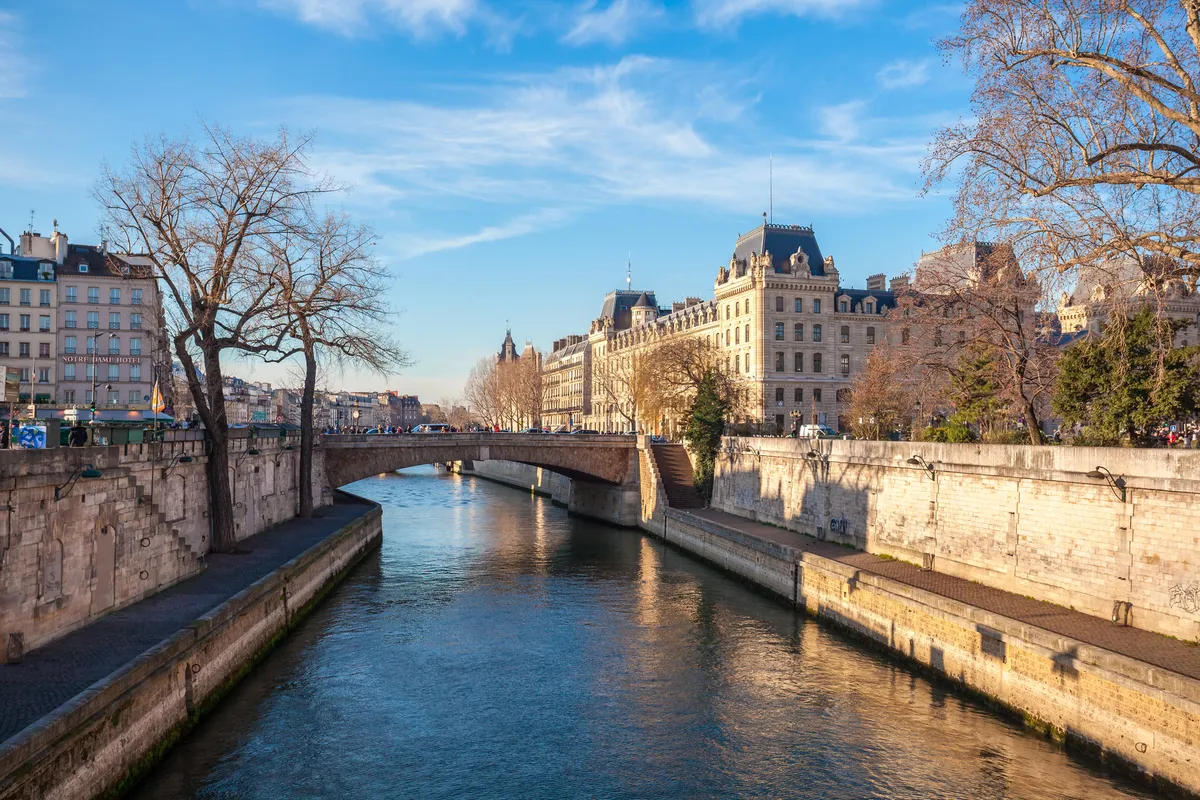
Turns out, Paris has been quietly perfecting the art of keeping its cool for the last 30 years, all without dumping more heat onto its already sweltering streets. The secret? The Seine River, which is apparently good for more than just romantic boat rides and very expensive picnics.
While the rest of the world cranks up their individual air conditioners, turning our cities into giant ovens, Paris is tripling down on a network that pipes cold river water through buildings. Because, as one Parisian researcher dryly observed, anything that uses energy creates heat, and that heat has to go somewhere.
The Seine's Surprisingly Chill Side Hustle
The company behind this aquatic magic, Fraîcheur de Paris (which, let's be honest, sounds like a fancy perfume), manages 75 miles of underground pipes. Here's the gist: cold Seine water flows into one pipe, while warm water from connected buildings flows through another. A heat exchanger does the heavy lifting, transferring the warmth from the building water to the river water without the two ever actually mixing. The now-chilled water goes back to cool the buildings, and the slightly warmer Seine water returns to the river, none the wiser.
We're a new kind of news feed.
Regular news is designed to drain you. We're a non-profit built to restore you. Every story we publish is scored for impact, progress, and hope.
Start Your News DetoxMonitoring has shown these temperature tweaks are well within environmental limits, meaning the Seine's ecosystem isn't getting a surprise spa treatment it didn't ask for. And who's enjoying this river-powered chill? Oh, just places like the Louvre, the Grand Palais, hospitals, schools, and major office complexes. Because apparently, even priceless art gets a little sweaty in the summer.
Big Plans for a Cooler Future
Paris isn't stopping there. They're planning to triple the network's size by 2042, aiming to reach over 3,000 buildings across all city districts. Hospitals, schools, day-care centers, and retirement homes are at the top of the priority list, which, if you think about it, is both thoughtful and strategically smart.

Tim Guigon, a spokesperson for Fraîcheur de Paris, noted the goal is to transform what started as a network for commercial buildings into a city-wide system. The city itself owns the network, having renewed a hefty $2.6 billion contract in 2022. So, yes, your tax euros are literally keeping things cool.
This "district cooling" system uses significantly less energy than a city full of individual AC units, which, let's not forget, just make the outdoor air even hotter. Pauline Lavaud, Paris's director of climate transition, pointed out that the network offers better energy and environmental performance. Plus, fewer residents buying window units means less strain on the power grid and, crucially, less waste heat making sidewalks feel like hot plates.
Other cities, like Stockholm and Toronto, are already in on the secret, using the Baltic Sea and Lake Ontario, respectively. But it's not a one-size-fits-all solution. You need enough demand, and, critically, a nearby water source with the right temperature and flow. London's Thames, for instance, is a no-go, partly because its underground is already a spaghetti junction of utility lines. For cities in the global south, upfront costs and high interest rates pose bigger hurdles, though those with less existing underground infrastructure might actually find it easier to dig in. Because, as one ecologist put it, you can't just copy-paste solutions. Every city has its own unique brand of chaos to deal with.