The BMW X5, first launched in 1999, is now one of the company's top sellers. For the 2027 model year, the X5 enters its fifth generation with major updates.
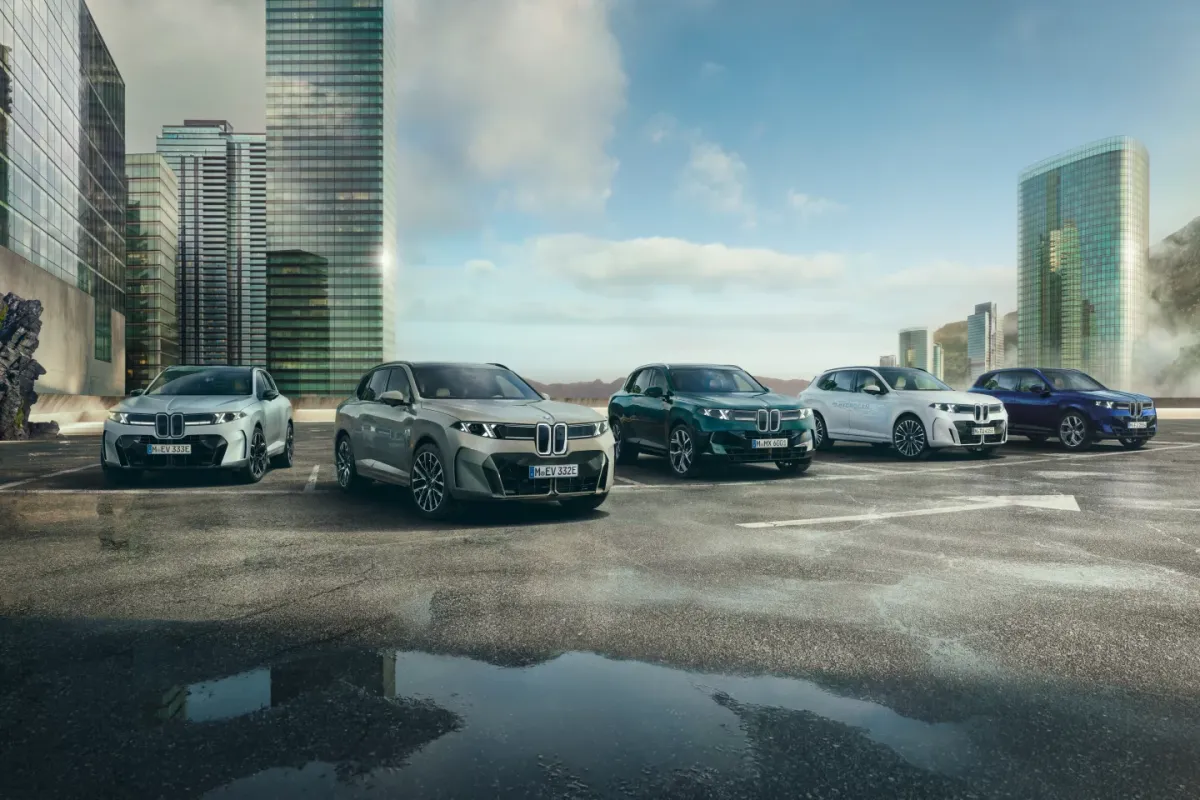
The new X5 features BMW's Neue Klasse styling. It will offer five different powertrain options, including an all-electric version for the first time.
Powertrain Options
The X5 40 and X5 40 xDrive models use a turbocharged 3.0-liter inline-six engine. A new turbocharger design boosts power to 394 hp and 428 lb.ft (580 Nm) of torque. This allows the gas-powered X5 to go from 0 to 60 mph in 5.1 seconds. A high-performance V8 trim is also planned.
We're a new kind of news feed.
Regular news is designed to drain you. We're a non-profit built to restore you. Every story we publish is scored for impact, progress, and hope.
Start Your News DetoxThe X5 50e xDrive is a plug-in hybrid. It combines the revised inline-six engine with a 194-hp electric motor. This setup delivers a total of 483 hp and 516 lb.ft (700 Nm) of torque. It has a 27-kWh battery pack, offering an estimated 44 miles (71 km) of all-electric range. This model accelerates from 0 to 60 mph in 4.6 seconds.
Diesel and hydrogen powertrains are also in the works. These are likely part of BMW and Toyota's ongoing collaboration on fuel-cell technology since 2014.
The all-electric iX5 60 xDrive is a significant addition. It features one electric motor at each axle, producing 570 hp and 593 lb.ft (804 Nm) of torque. This makes it the fastest in the lineup, reaching 60 mph in 4.4 seconds.
The electric model uses BMW’s 800-volt architecture and a 144-kWh eDrive battery. This sixth-generation battery technology uses cylindrical cells with 20% higher energy density. It offers an impressive range of 435 miles (700 km). With a DC fast-charger, it can recharge from 10 to 80% in about 22 minutes.
Design and Interior Features
The new X5 is similar in size to the previous model. However, its wheelbase is 2.4 inches (61 mm) longer, which increases rear legroom. The vehicle is also slightly taller.
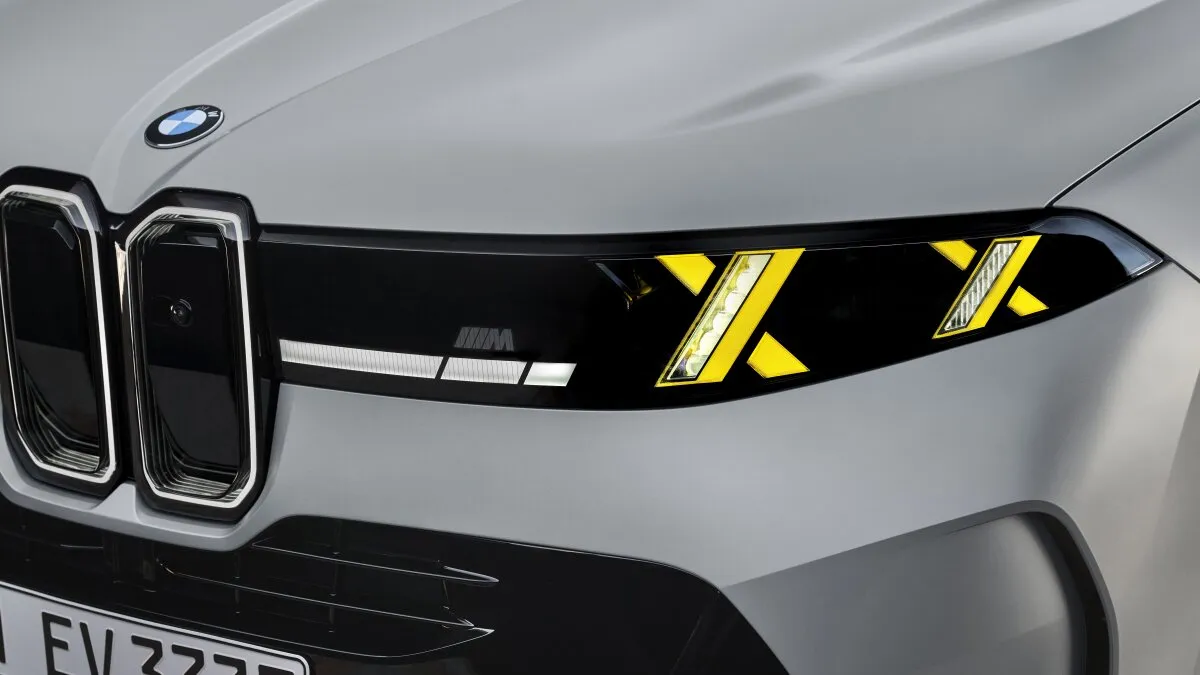
The design adopts the Neue Klasse style, moving away from the "beaver-tooth" look. It features a wraparound front light panel and vertically oriented kidney grilles. The X-shaped LED lights combine side lights, turn signals, low beams, and daytime running lights. These can also turn yellow, like older BMW M cars.
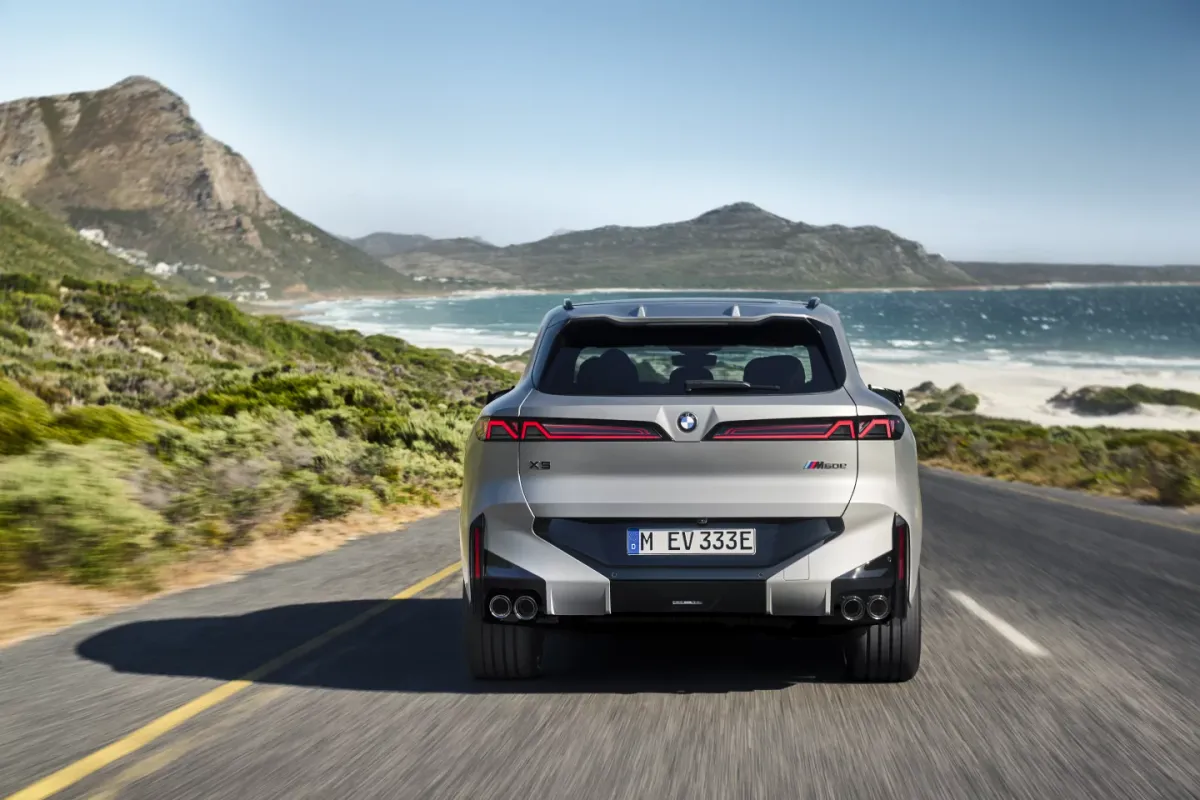
One notable change is the removal of the split-folding tailgate. BMW says this was based on customer feedback and aims for better aerodynamics.
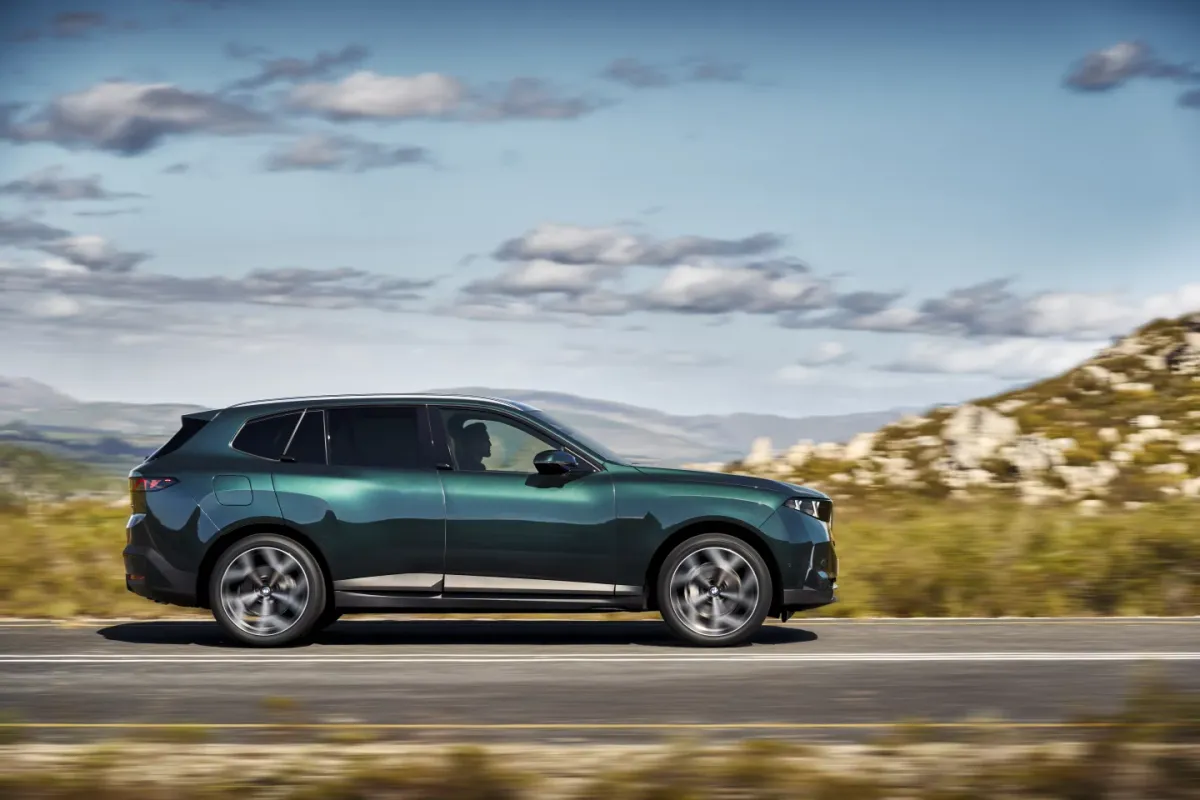
The side profile is clean, with touch-capacitive winglets on the B and C pillars replacing traditional door handles. Soft-close doors are standard, with electric power doors as an option.
The new X5 is heavier than its predecessor. The base gasoline model weighs nearly 300 lb (136 kg) more at 5,213 lb (2,364 kg). The plug-in hybrid is 5,985 lb (2,715 kg). The all-electric iX5 is the heaviest at 6,393 lb (2,900 kg), almost 1,200 lb (544 kg) more than the standard gas model.
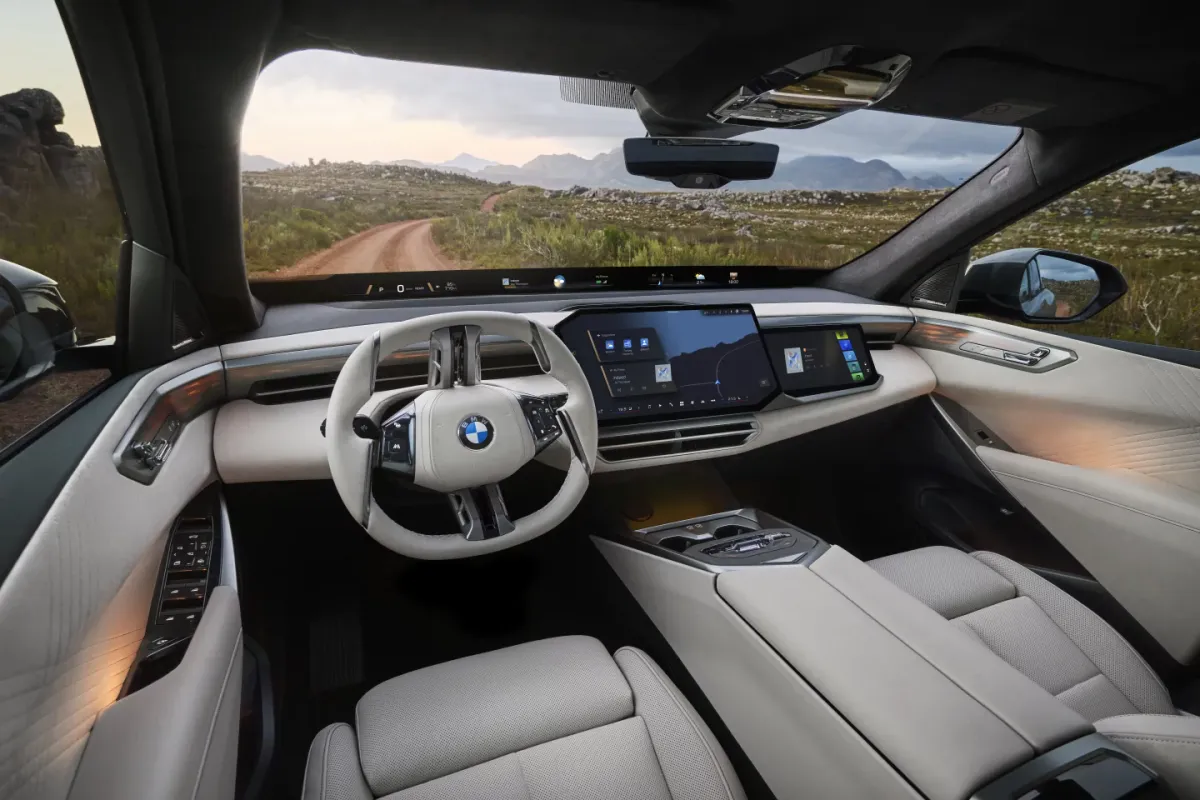
Inside, the X5 features a new dual-spoke steering wheel and the BMW Panoramic iDrive display. This display projects information onto a tinted glass strip across the dashboard. The center of the dash has a 17.9-inch infotainment screen and a 14.6-inch passenger screen. Customizable ambient lighting and an AI-powered digital assistant are also included.
Standard features include adaptive multi-height air suspension, Level 2 cruise control assist (up to 81 mph/130 km/h), and automatic lane change assist. Optional extras include adaptive chassis control and a professional version with roll stabilization.
Availability and Pricing
Production of the new X5 begins in August at BMW's Spartanburg facility in South Carolina. The ICE models will be produced first, followed by the battery electric and PHEV versions. Details on the diesel and hydrogen variants' production timelines are not yet available.
The 2027 X5 40 starts at $71,250, and the AWD X5 40 xDrive starts at $73,550. The X5 50e xDrive plug-in hybrid is priced at $78,950. The all-electric iX5 60 xDrive will cost $81,250.
The gas-only X5 40 xDrive is expected to roll out in October of this year. Other models will follow in the first quarter of 2027.
Deep Dive & References: The new BMW X5 - BMW Press, 2024